“Defining the key elements”: At Fendi, Maria Grazia Chiuri debuts
her pragmatism
her pragmatism
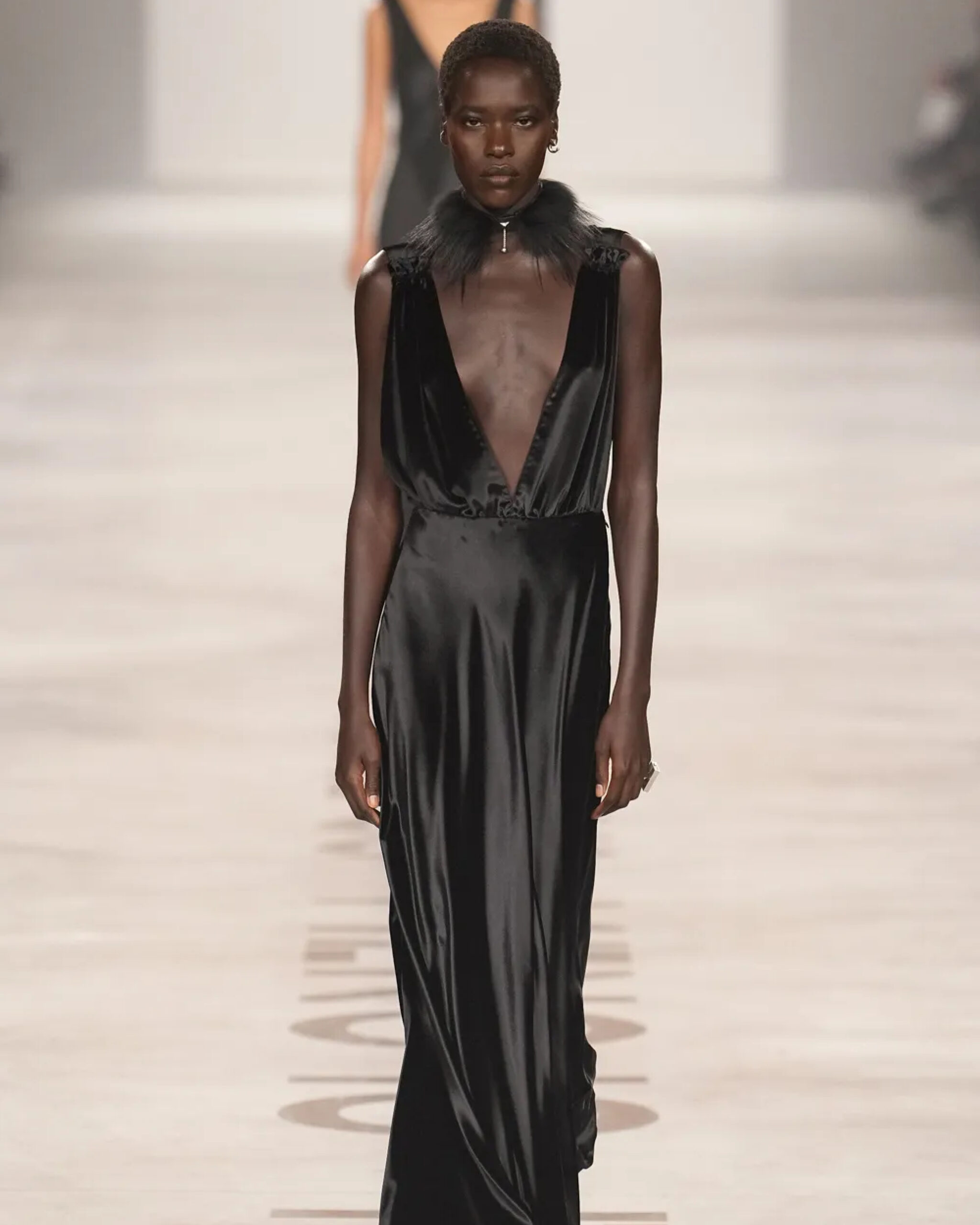
Less spectacle, more structure. Maria Grazia Chiuri’s first Fendi collection, for Fall/Winter 2026, reframed the house through her signature lens of pragmatic dressing.
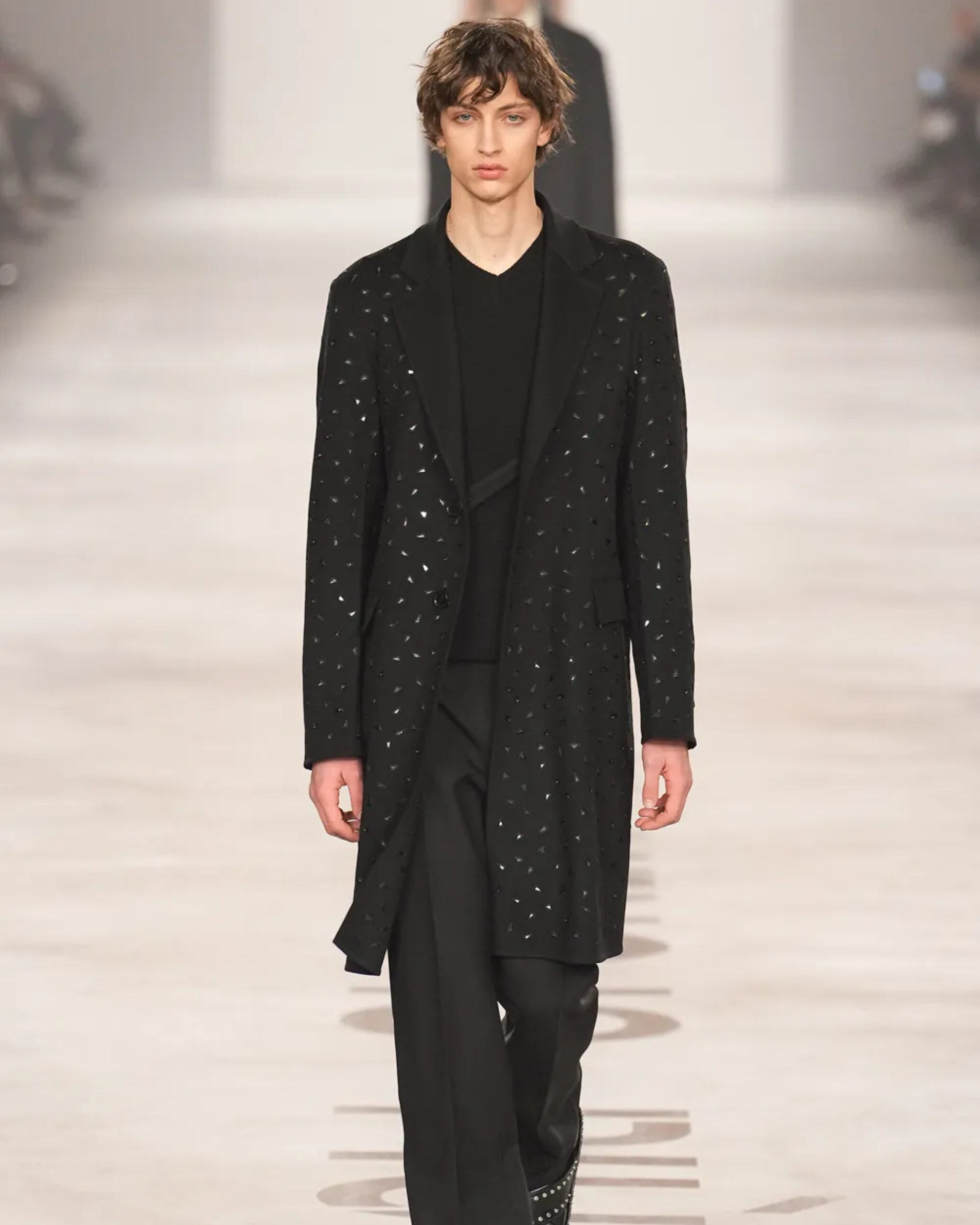
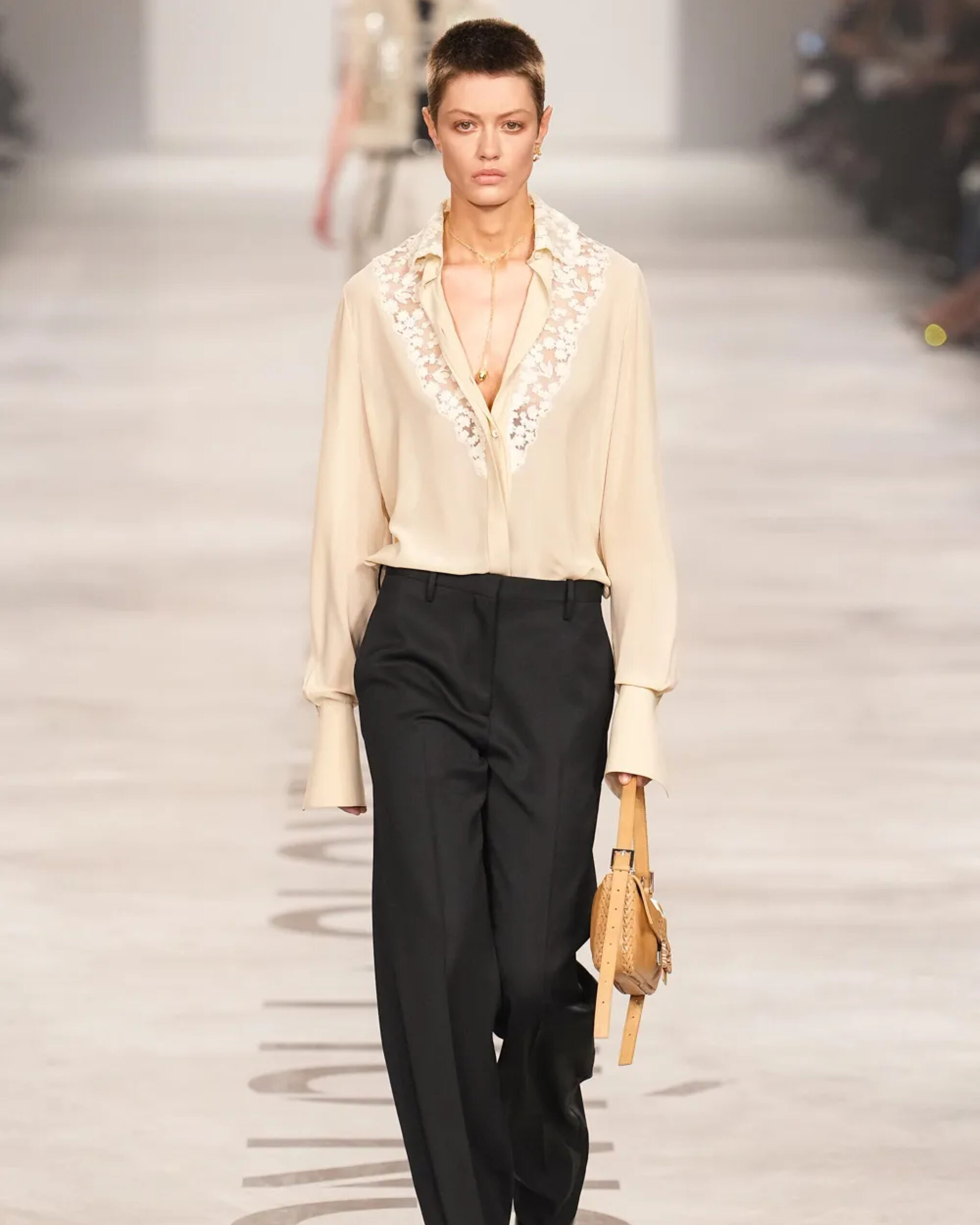
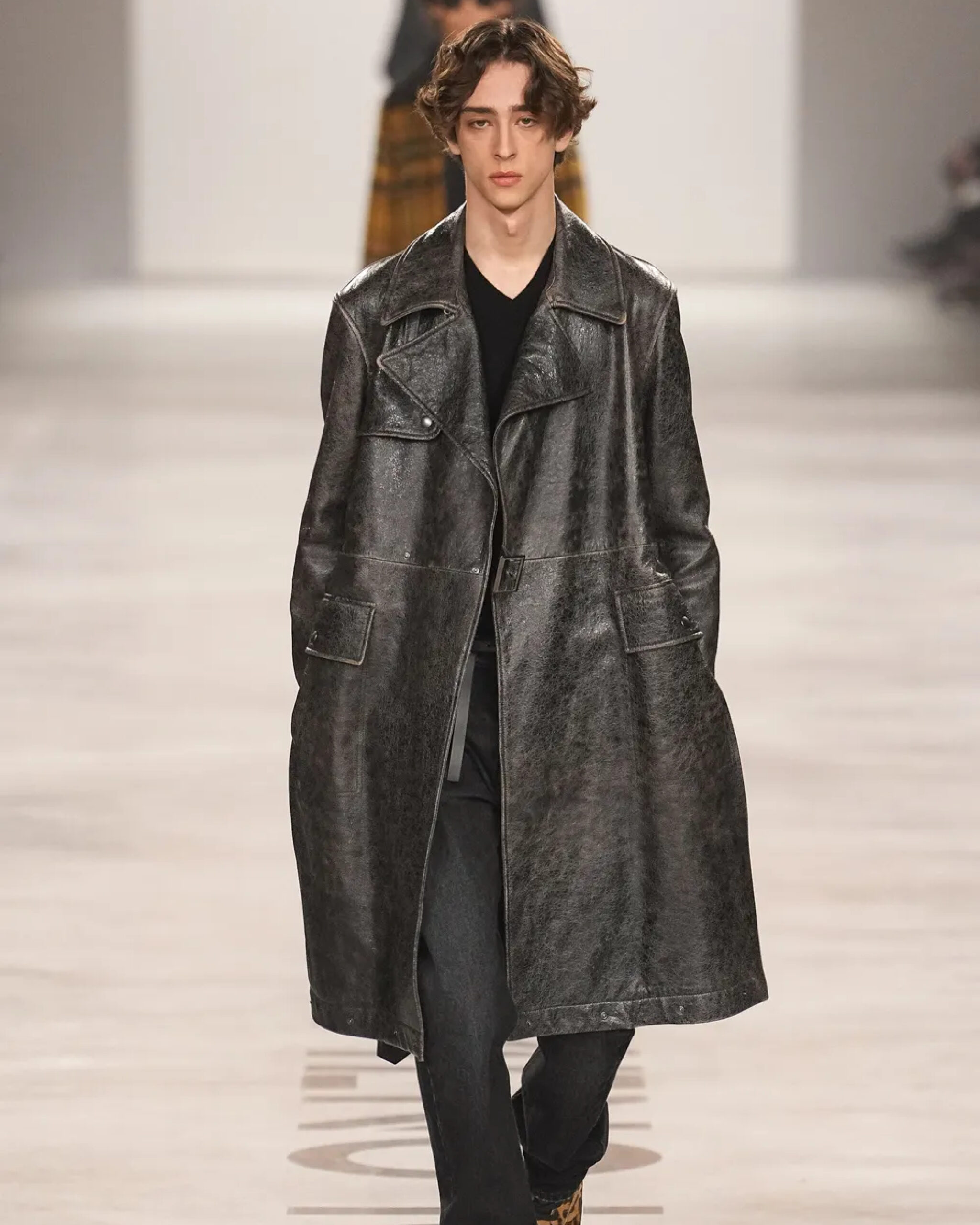
“We know each other so well,” Maria Grazia Chiuri said during a preview of her Fendi debut show, “I don’t think you need that I explain the collection.” In many ways, she was right. Her first proposal for the house was self-explanatory. In her previous job at Dior between 2016 and 2025 – where we all got to know her so well – the Roman designer became famous for steadfast commercial successes that painted her runway collections in a certain pragmatic light. She used that word – pragmatic – many times during Wednesday’s preview, so it wasn’t surprising when the show opened with three timeless black blazers worn in different ways: over a shifty black dress, as part of a women’s trouser suit, and on a man. “It’s a shared wardrobe,” she said of her co-ed approach, her first foray into menswear since her time at Valentino between 1999 and 2016.
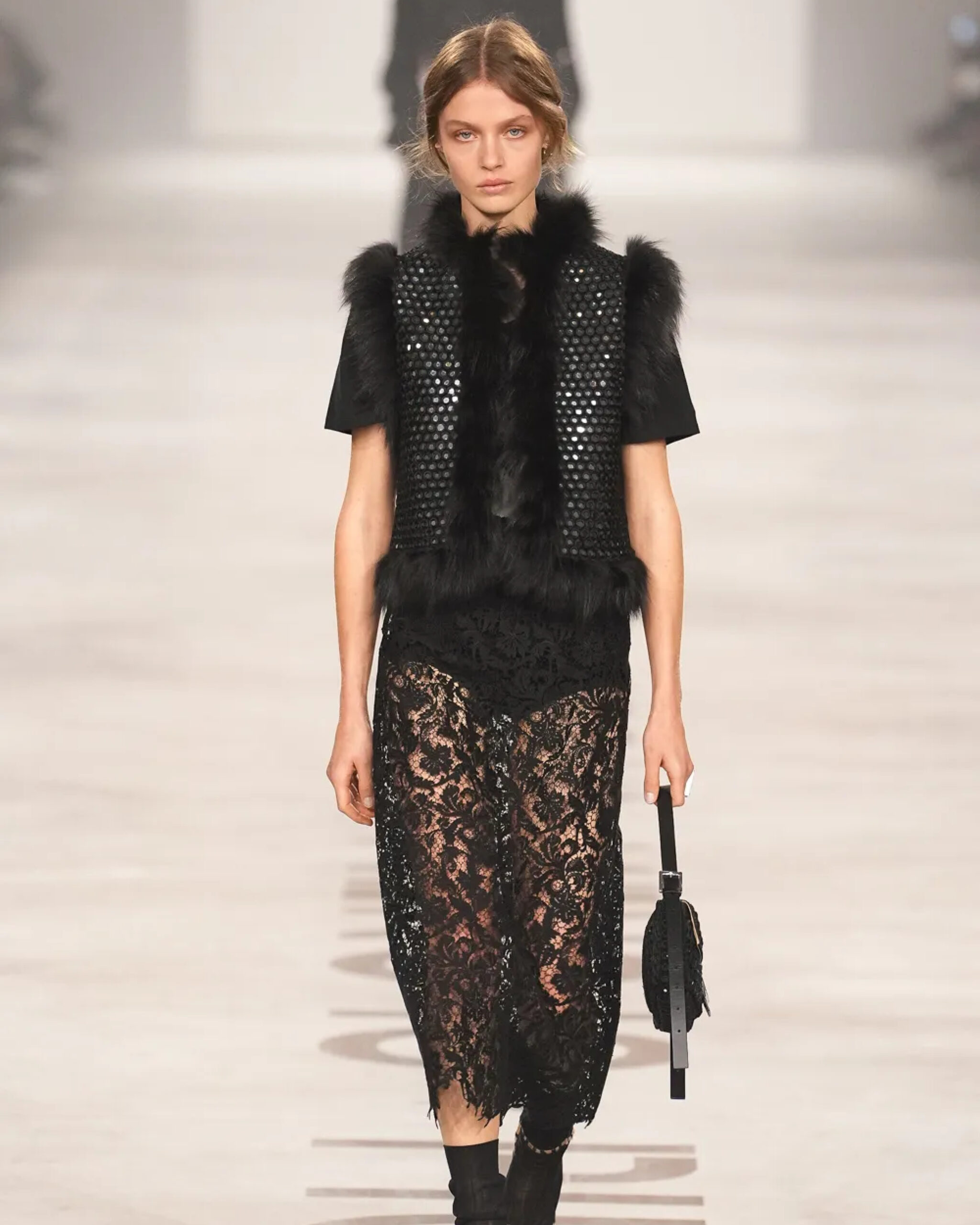
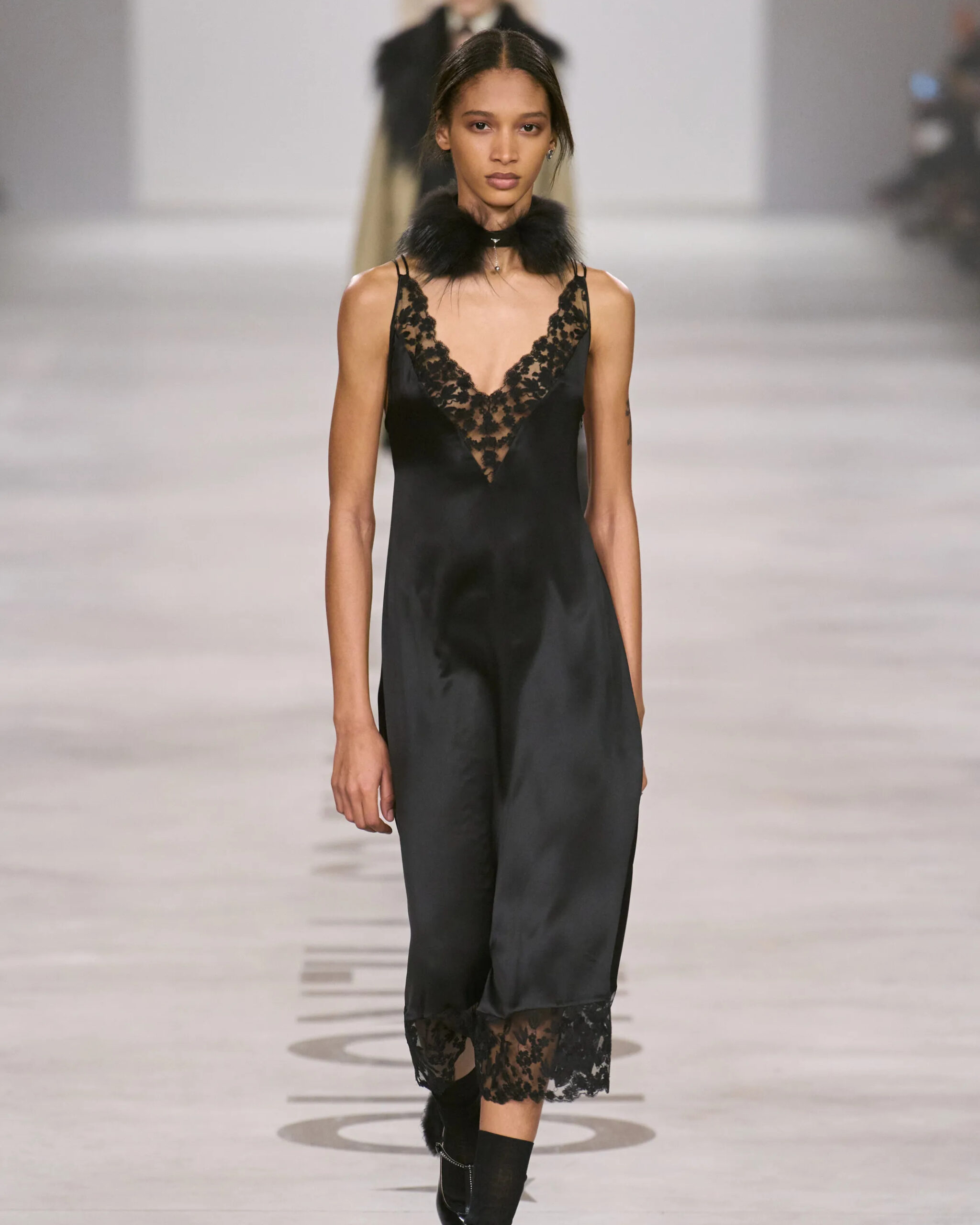
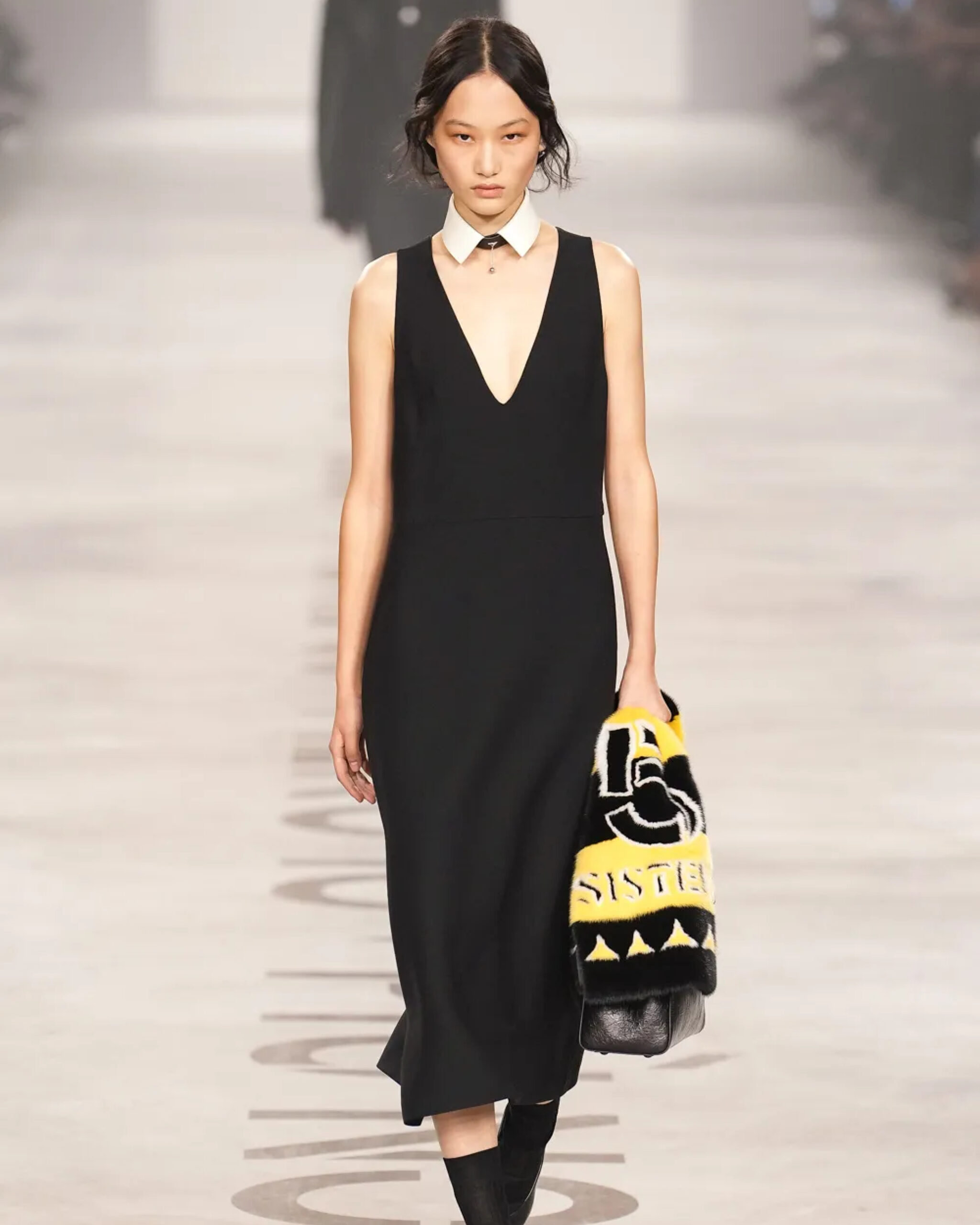
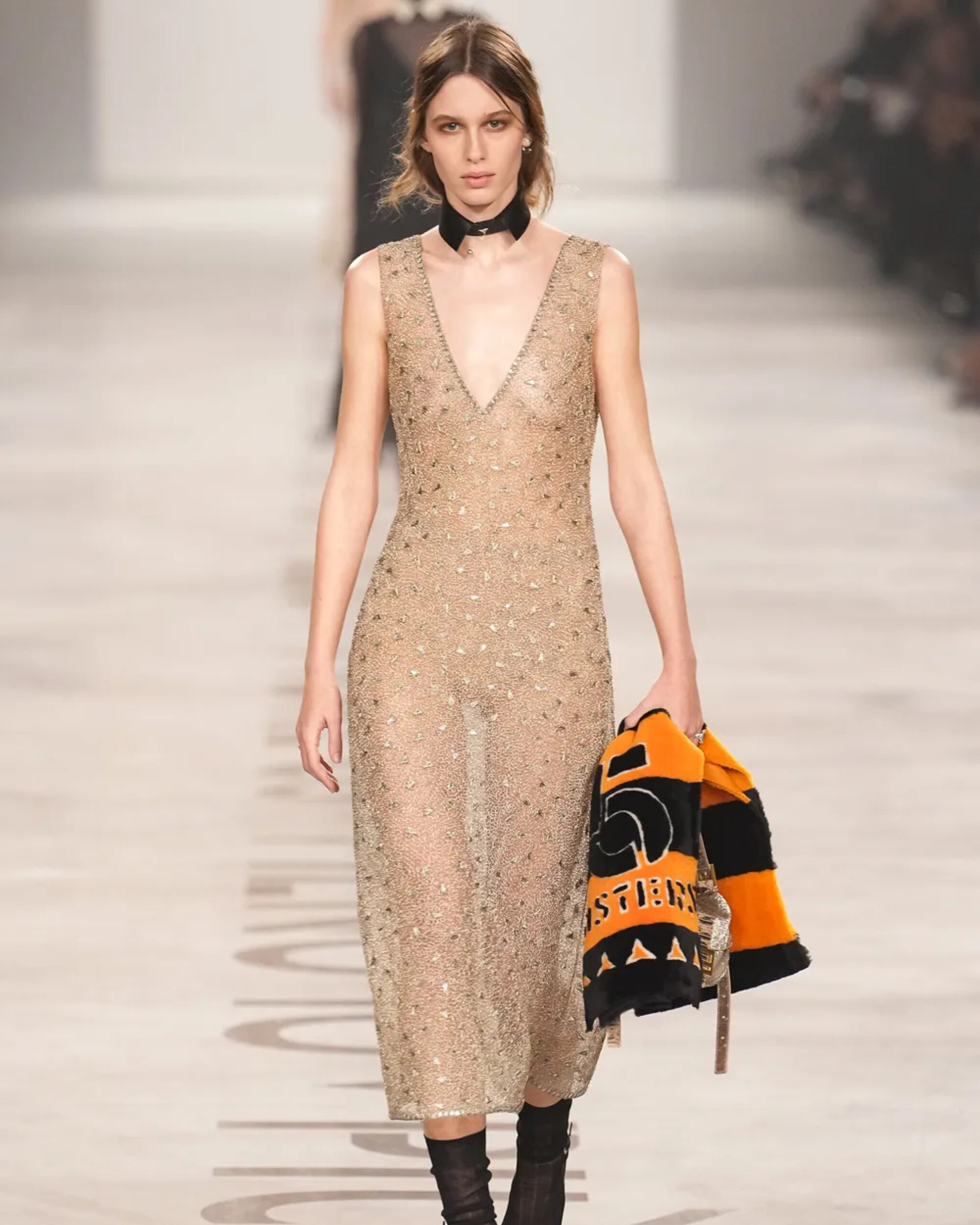
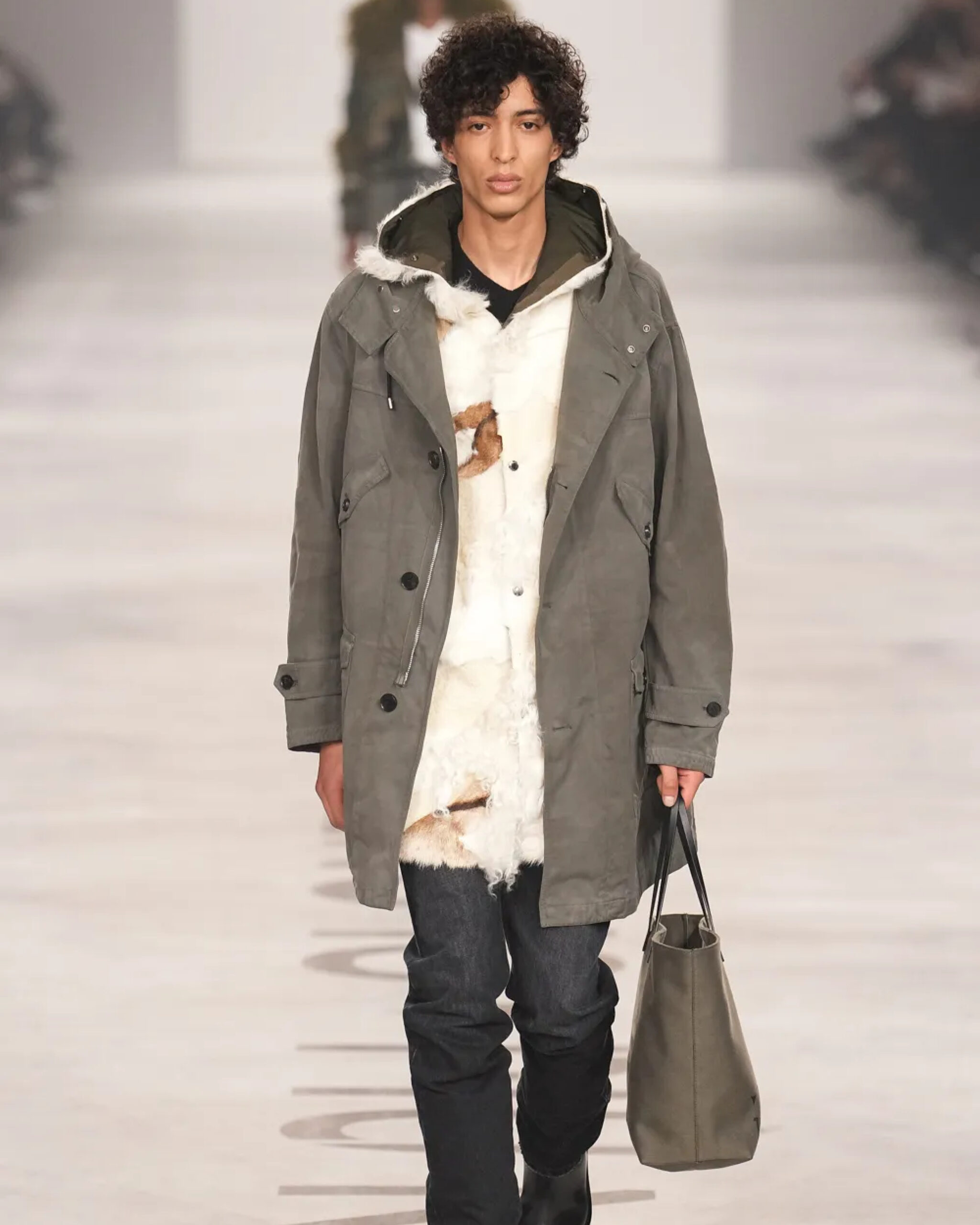
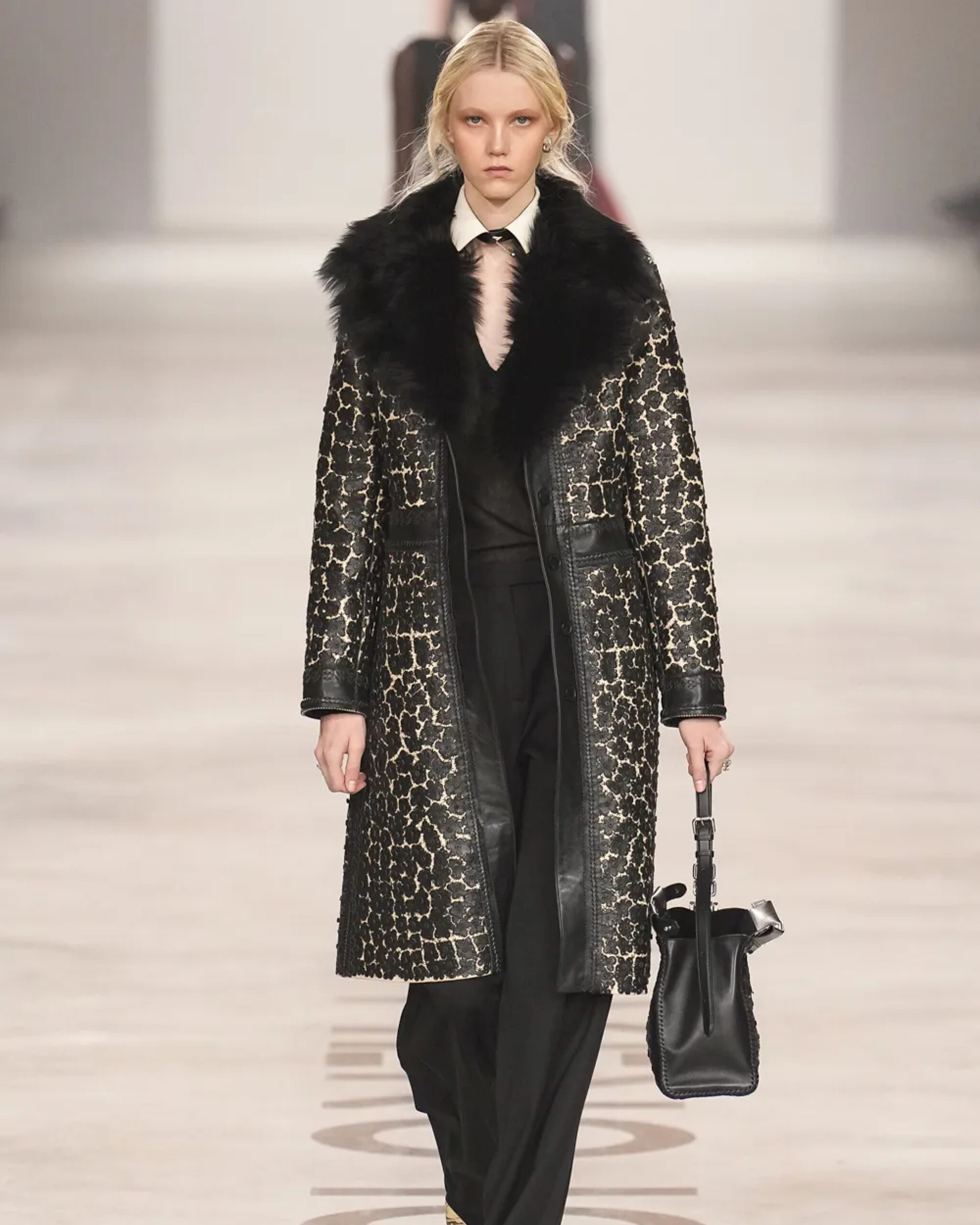
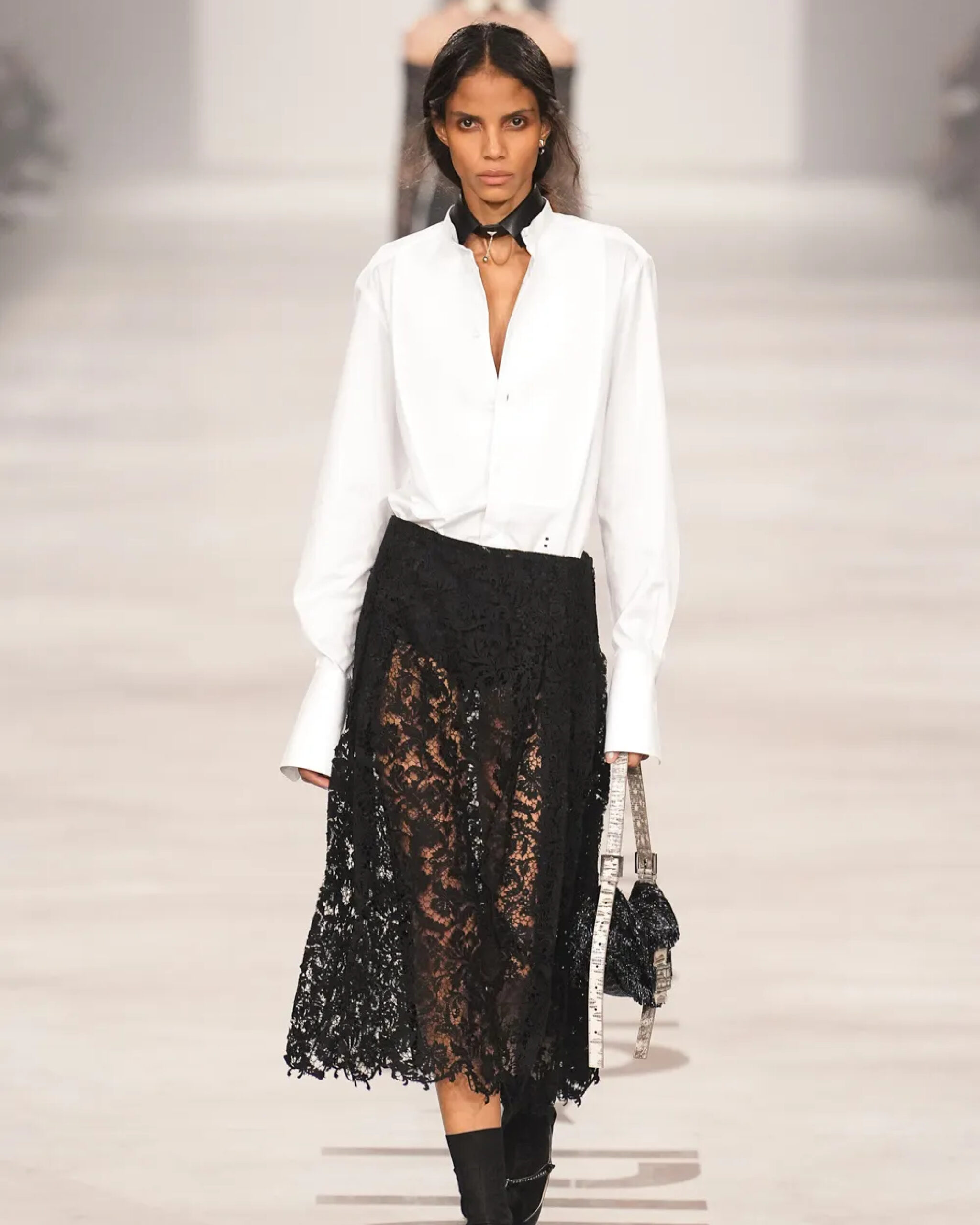
The collection focused on perfected pieces for everyday dressing and dress-up, from black ‘forever coats’ to your ultimate jeans and easy slip dresses. “It’s the same jacket, the same coat, the same pants, to define what the key elements of Fendi are,” Chiuri said. Her palette was largely retained in neutral colours with the odd splash of red and yellow. It wasn’t normcore – that term always had a subversive connotation to it – but rather essentials-core: quiet luxury, perhaps, with a few loud interruptions such as some very 2000s boho chic gilets, and parkas and cabans in repurposed – and sometimes spontaneously colourful – fur. “All the fur we did comes from what we had in the house. The idea is to use our creativity on what we have,” Chiuri said of her approach to the material at the historical heart of Fendi. When it came to the house’s emblematic bags, she softened them to evoke the feeling they had when they were first created.
We are speaking about five women, very visionary and empowered, but also pragmatic and creative. You want to maintain their tradition but at the same time move it
into the future.
MARIA GRAZIA CHIURI
The history of Fendi is one Chiuri knows well. She began her career there in the 1990s and was part of the accessories team behind the wildly successful Baguette bag. That credit is often used to frame her as fashion’s great salesman, an accolade she lived up to at both Valentino and Dior. “I’m really honoured and I hope to give back what I learned from the five sisters,” she said of her return to Fendi, referring to the founders’ daughters, who transformed the house from a Roman leather and fur atelier into an international luxury brand. “We are speaking about five women, very visionary and empowered, but also pragmatic and creative. You want to maintain their tradition but at the same time move it into the future.” A collaboration with Sagg Napoli – the artist and archer she once featured in a Dior show – produced football scarves and T-shirts with various slogans that celebrated the sisterhood that runs in the Fendi genetics. The runway was emblazoned with the words “Less I, More Us”, Chiuri’s motto for the collection.
On the day after a show, the runway space at the Fendi headquarters traditionally turns into the brand’s showroom. On Chiuri’s runway, the showroom atmosphere was already in the air. Under bright lights, with a breezy background soundtrack, there was a real feeling of the pragmatism she isn’t afraid to put in neon lights (albeit neutral-coloured ones). To the many fans she gained on the shop floor during her time at Dior, this collection will feel like home. To those who see runways as platforms for the grand gestures of creativity that challenge and provoke, Chiuri’s Fendi might not be the sisterhood they’re looking for. But, at the end of the day, you can never have too many black suits.
The second album is the hardest. Get ready for fashion’s sophomore season The second album is the hardest. Get ready for fashion’s sophomore season
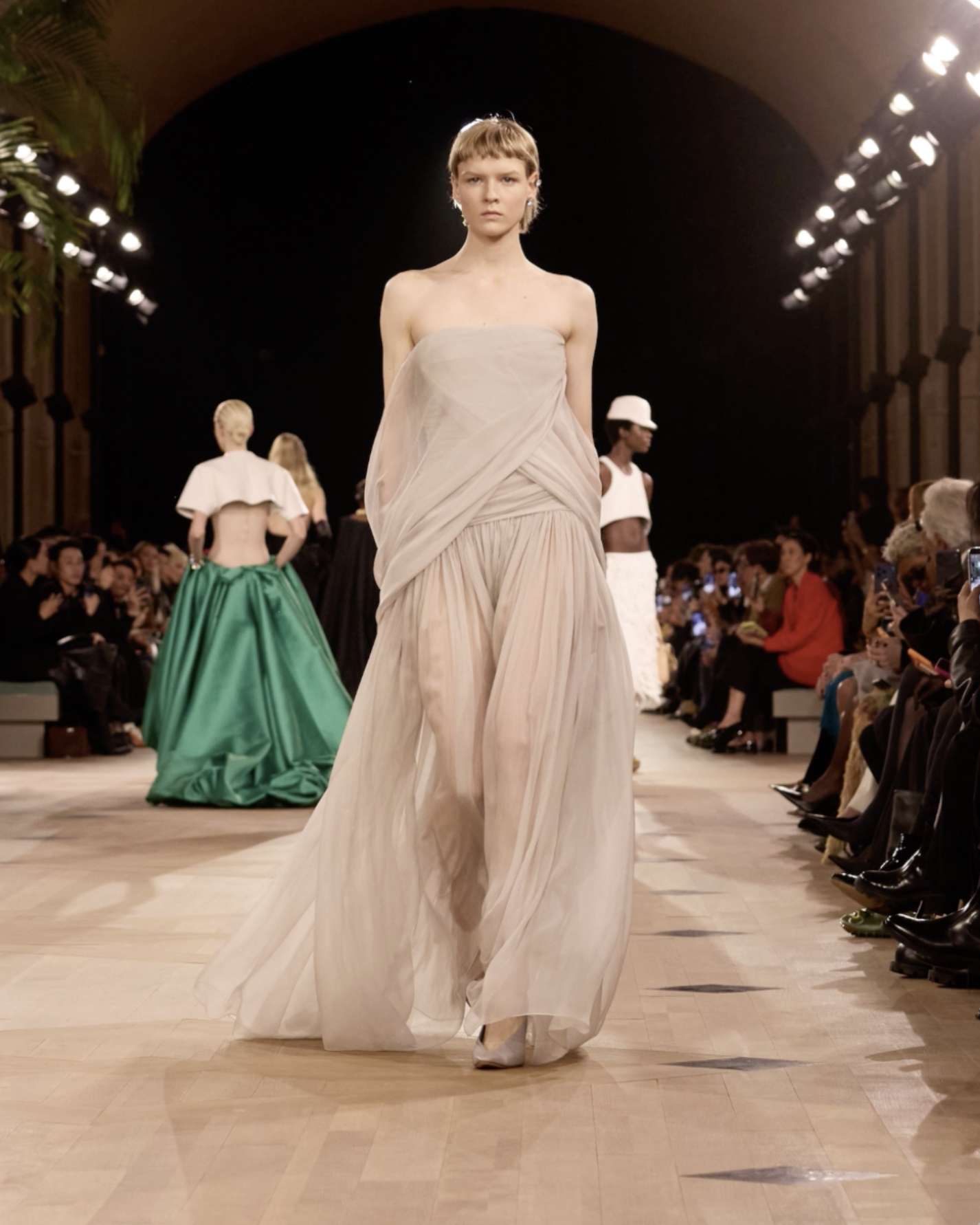
The second album is the hardest. Get ready for fashion’s sophomore season
The King and I: In memory of the late Giorgio Armani The King and I: In memory of the late Giorgio Armani
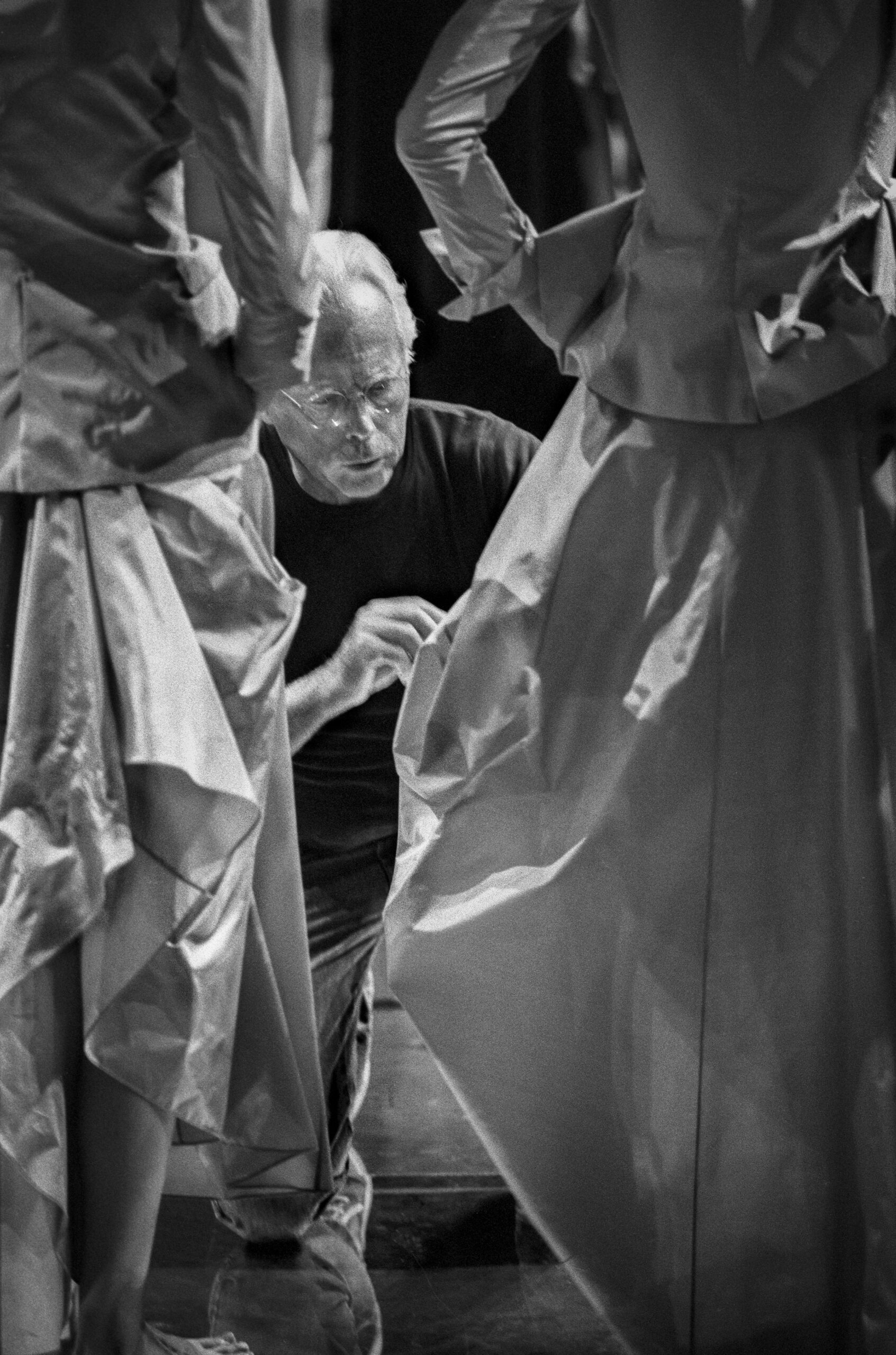
The King and I: In memory of the late Giorgio Armani
Boys ‘N’ Bags Boys ‘N’ Bags
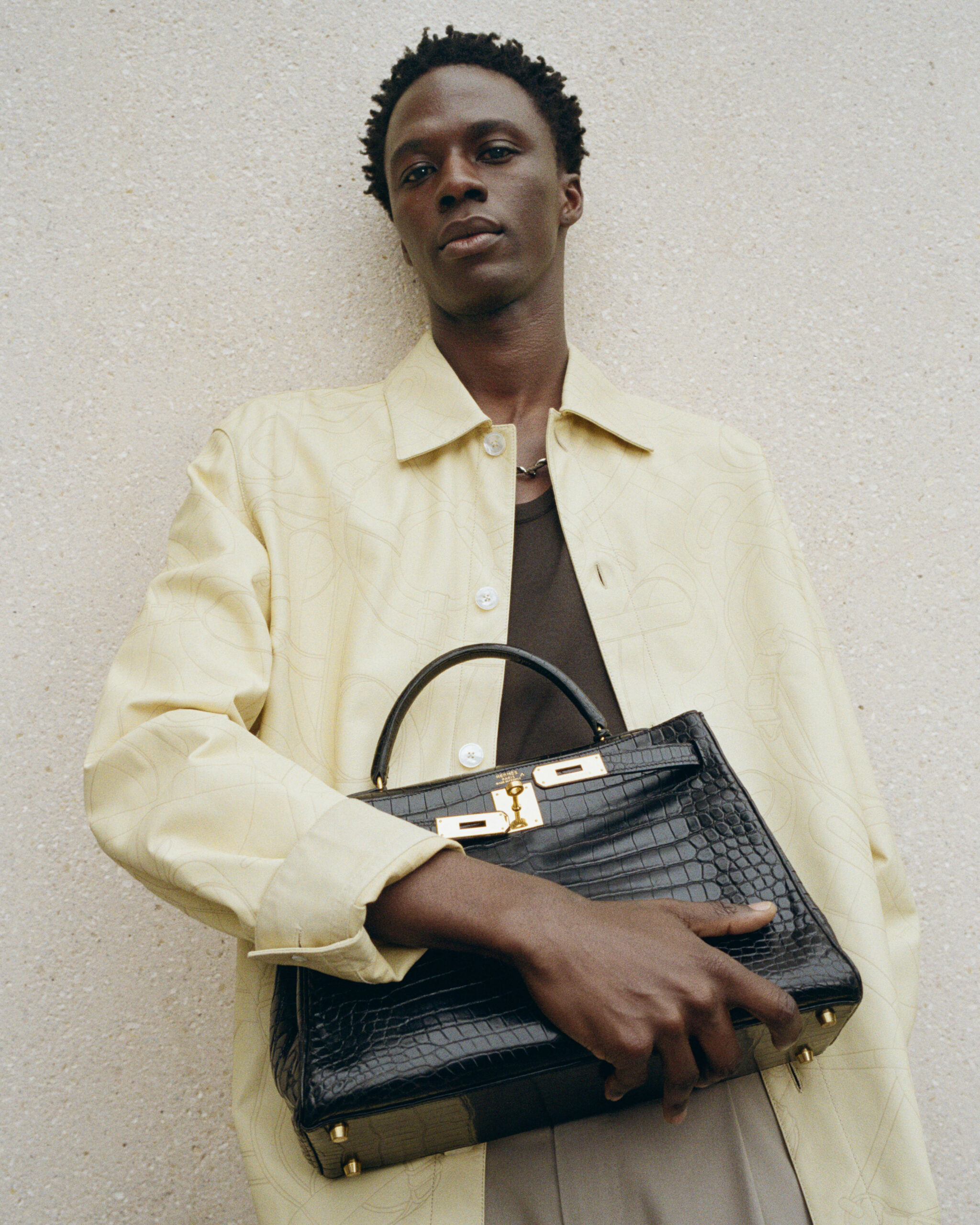
Boys ‘N’ Bags
Meet Nina Christen, the footwear designer behind a decade of viral fashion moments Meet Nina Christen, the footwear designer behind a decade of viral fashion moments
Meet Nina Christen, the footwear designer behind a decade of viral fashion moments
Hoyeon Jung looks to the future Hoyeon Jung looks to the future
Hoyeon Jung looks to the future
“Connecting with humanity is the most radical act”: Pierpaolo Piccioli on his debut collection for Balenciaga “Connecting with humanity is the most radical act”: Pierpaolo Piccioli on his debut collection for Balenciaga

“Connecting with humanity is the most radical act”: Pierpaolo Piccioli on his debut collection for Balenciaga
A tribute to British beauty, style and rebellion A tribute to British beauty, style and rebellion
A tribute to British beauty, style and rebellion
Michael Kors Takes London Michael Kors Takes London