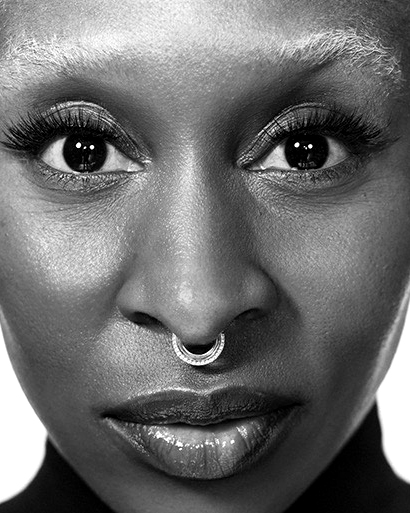
Cynthia Erivo’s memoir Simply More charts the making of a remarkable talent
Simply More traces Cynthia Erivo’s journey through racism, exclusion, queerness and radical honesty to reveal the woman behind one of Hollywood’s most formidable talents.
Cynthia Erivo’s account of her time at drama school is jaw dropping. And not in a good way. The actor, who is once again being widely celebrated for her role as Elpheba in the hit movie Wicked, describes feeling an “outcast” at the Royal Academy of Dramatic Arts (RADA). “I actually wondered regularly why they all seemed to hate me so much,” she writes. “I was given tiny parts and didn’t feel included. Was actively overlooked.”
But it’s the detail, written with clarity and intention in Erivo’s new memoir Simply More that really shocks. When it came to her cohort’s final musical, part of the end of school performances that often launch drama school graduates into showbusiness, Erivo was given a small part. When two of the other students who had main roles fell sick, she was prepared to step in.
“Instead” she writes, “I was asked to sing backstage for the sick girls. That’s right. I would sing while they lip-synched on stage. The powers that be quite literally took my voice away from me and gave it to someone else… I was being erased while these two were benefitting from my gift.”
Being a public figure who is Black in Britain is a difficult path to tread. You are inevitably confronted with the obstacles of racism and prejudice, as Erivo’s RADA experiences so viscerally reveal. At the same time, speaking out about those obstacles risks alienating your audience by drawing too much attention to the uncomfortable reality of race and class, systems many would like to believe no longer exist.
@cynthiaerivo
Being a public figure who is Black in Britain is a difficult path to tread. You are inevitably confronted with the obstacles of racism and prejudice, as Cynthia Erivo’s RADA experiences so viscerally reveal.
AFUA HIRSH
A rational response to this conundrum would be to write a book that skirts around the edges of this discomfort, while offering platitudes about hard work and gratitude. Yet Simply More is the opposite of skirting. Not that Erivo avoids her hard work, and feelings of gratitude. Her relationship with a loving mother and sister (“I’d like to lend you mine,” she says fondly), to the hummingbirds she can see from her sauna, are singled out for grateful recognition. But even these aspects are couched in a truthfulness that sets this apart from many celebrity memoirs. Erivo is playing honest, not safe.
Take Erivo’s relationship with her father, a man she describes as someone “never meant to be a dad.” Erivo describes a heartbreaking encounter where, aged 16, her father abandoned her on a tube platform, then looked right through her as he walked off. They have never spoken again since. “I desperately wanted to show him I was extraordinary – so he would love me,” she confesses. “But I no longer look to him for love.”
The depth of this pain, in spite of the time, therapy and healing Erivo has worked on since, resonates with anyone who was moved by her performance of Elphaba, the green heroine of Wicked. Like Erivo’s real-life story, Elphaba is a character similarly shaped by the rejection of her father. “Being able to use Elphaba to channel some of that pain was really a healthy thing and was very helpful to me. It crystallized what I’d been going through.”
Part of the honesty that feels most intimate is how Erivo describes her sexuality. As a teenager raised in a Catholic family and school, she repressed her sexuality, before coming out as queer years later, and only beginning to date women in her late twenties. She writes with pride both about her queerness and the acceptance she has found in her community since coming out. Yet Erivo also reveals that her mother and sister still struggle with this aspect of her identity.
A rational response to this conundrum would be to write a book that skirts around the edges of this discomfort, while offering platitudes about hard work and gratitude. Yet Simply More is the opposite of skirting. Not that Erivo avoids her hard work, and feelings of gratitude. Her relationship with a loving mother and sister (“I’d like to lend you mine,” she says fondly), to the hummingbirds she can see from her sauna, are singled out for grateful recognition. But even these aspects are couched in a truthfulness that sets this apart from many celebrity memoirs. Erivo is playing honest, not safe.
Take Erivo’s relationship with her father, a man she describes as someone “never meant to be a dad.” Erivo describes a heartbreaking encounter where, aged 16, her father abandoned her on a tube platform, then looked right through her as he walked off. They have never spoken again since. “I desperately wanted to show him I was extraordinary – so he would love me,” she confesses. “But I no longer look to him for love.”
The depth of this pain, in spite of the time, therapy and healing Erivo has worked on since, resonates with anyone who was moved by her performance of Elphaba, the green heroine of Wicked. Like Erivo’s real-life story, Elphaba is a character similarly shaped by the rejection of her father. “Being able to use Elphaba to channel some of that pain was really a healthy thing and was very helpful to me. It crystallized what I’d been going through.”
Part of the honesty that feels most intimate is how Erivo describes her sexuality. As a teenager raised in a Catholic family and school, she repressed her sexuality, before coming out as queer years later, and only beginning to date women in her late twenties. She writes with pride both about her queerness and the acceptance she has found in her community since coming out. Yet Erivo also reveals that her mother and sister still struggle with this aspect of her identity.Being a public figure who is Black in Britain is a difficult path to tread. You are inevitably confronted with the obstacles of racism and prejudice, as Cynthia Erivo’s RADA experiences so viscerally reveal.
As a teenager raised in a Catholic family and school, Cynthia Erivo repressed her sexuality, before coming out as queer years later, and only beginning to date women in her late twenties. She writes with pride both about her queerness and the acceptance she has found in her community since coming out.
AFUA HIRSH
“The time it took for me to get to a place where I could accept myself is also the time I have to give to other people,” Erivo says. “It’s a new normal. They still love me and they want to be there for me. It’s about giving them the space to get used to all the parts of me.” In other words, this part of her is, for her family, is territory they’re “still navigating.”
I interviewed Erivo in 2024 shortly before the first instalment of Wicked. The publication of Simply More coincides with the second instalment, which has recently premiered around the world, attracting global acclaim. I found Erivo magnetic, disciplined, no-nonsense, and kind. She was on the brink of a new level of stardom, having already achieved a Tony, Emmy and Grammy award for her previous performances as Celie in The Colour Purple. That play began as a small stage production in London and ended up a Broadway sensation, a turning point in her earlier career. I remember asking Erivo if she had computed how much Wicked was about to change her life. There was a glow about her, the anticipation of change, the inability to take it for granted until it had really happened.
In many ways Simply More reads like the sequel – a love letter to her past self, and a pledge to the Erivo of the future. It’s hard to imagine that future Erivo will have to prove herself as she has thus far. The book reveals gruelling auditions, or worse – as in the case of The Colour Purple – the challenge of even persuading casting teams to see her at all. For that performance, she discloses, she had to find someone to intervene on her behalf to let them give her a chance. The process of auditioning for Wicked was so high stakes, that Erivo spent three weeks preparing – a luxury she says – in which she showered, ran, and even swam while reciting and singing lines from the musical. “I wanted the music and dialogue to all be so deeply embedded inside me that when I got to the audition I wouldn’t be thinking about lyrics, or the melody or lines. All that would just be a part of my DNA.”
Erivo says she doesn’t live to seek others’ approval, something we all would like to be true. But Simply More does not shy away from the less flattering realities of her story. In one chapter, Erivo shares an incident where, feeling disrespected by her then manager, she “blacked out with rage. “It was bad,” she writes, “I even scared myself”. Erivo acknowledges this but remains unapologetic. “I don’t agree with the idea that we should bite back our anger and swallow our rage to make ourselves more acceptable to others,” she writes.
It’s hard to overstate the courage of this admission. The level of scrutiny attached to a woman in the public eye, let alone a Black, queer woman descended from immigrants who aspires to the pinnacle of her field, is unimaginably, and unfairly, intense. Writing about the range of her humanity – love, anger, and the private intimacies she makes no apology for not revealing at all – presents Erivo as someone genuinely interested in the real story. It also makes for a far more interesting book.
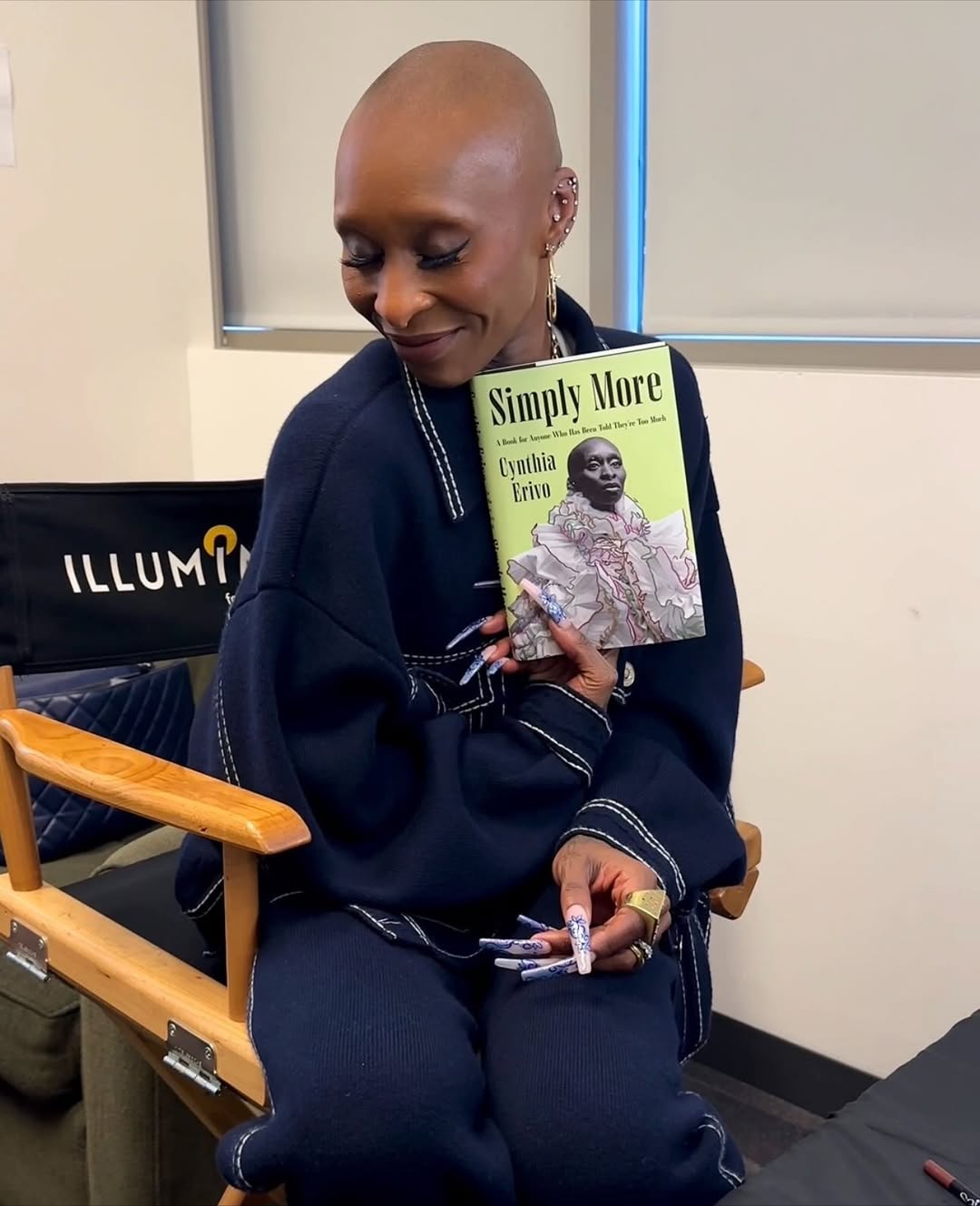
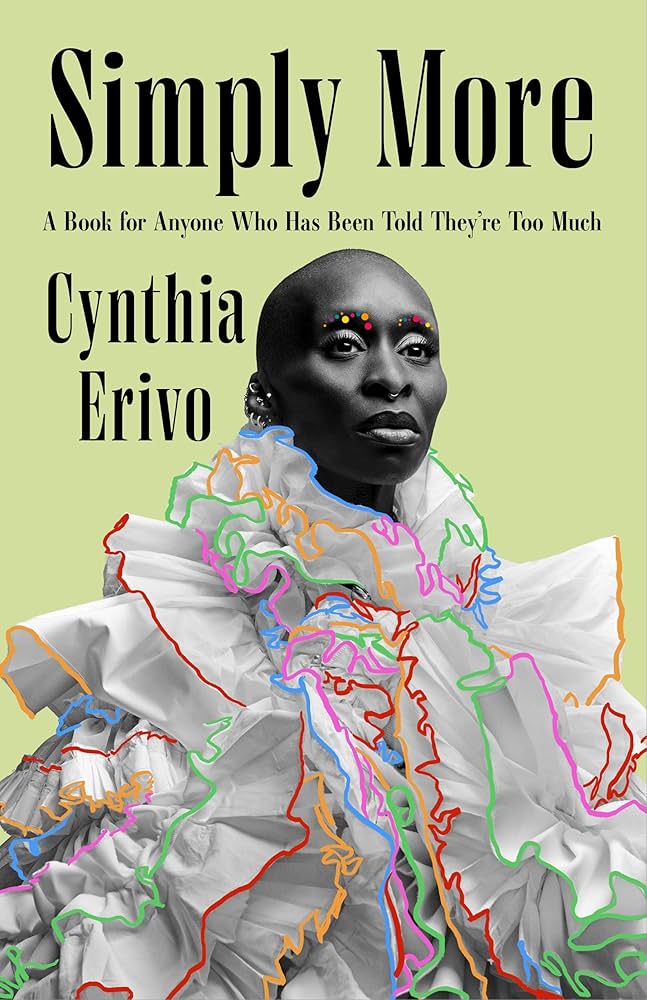
Simply More: A Book for Anyone who Has Been Told They’re Too Much is out now at Macmillan
The end of an era: Véronique Nichanian’s swansong for Hermès is a masterclass in timeless luxury The end of an era: Véronique Nichanian’s swansong for Hermès is a masterclass in timeless luxury
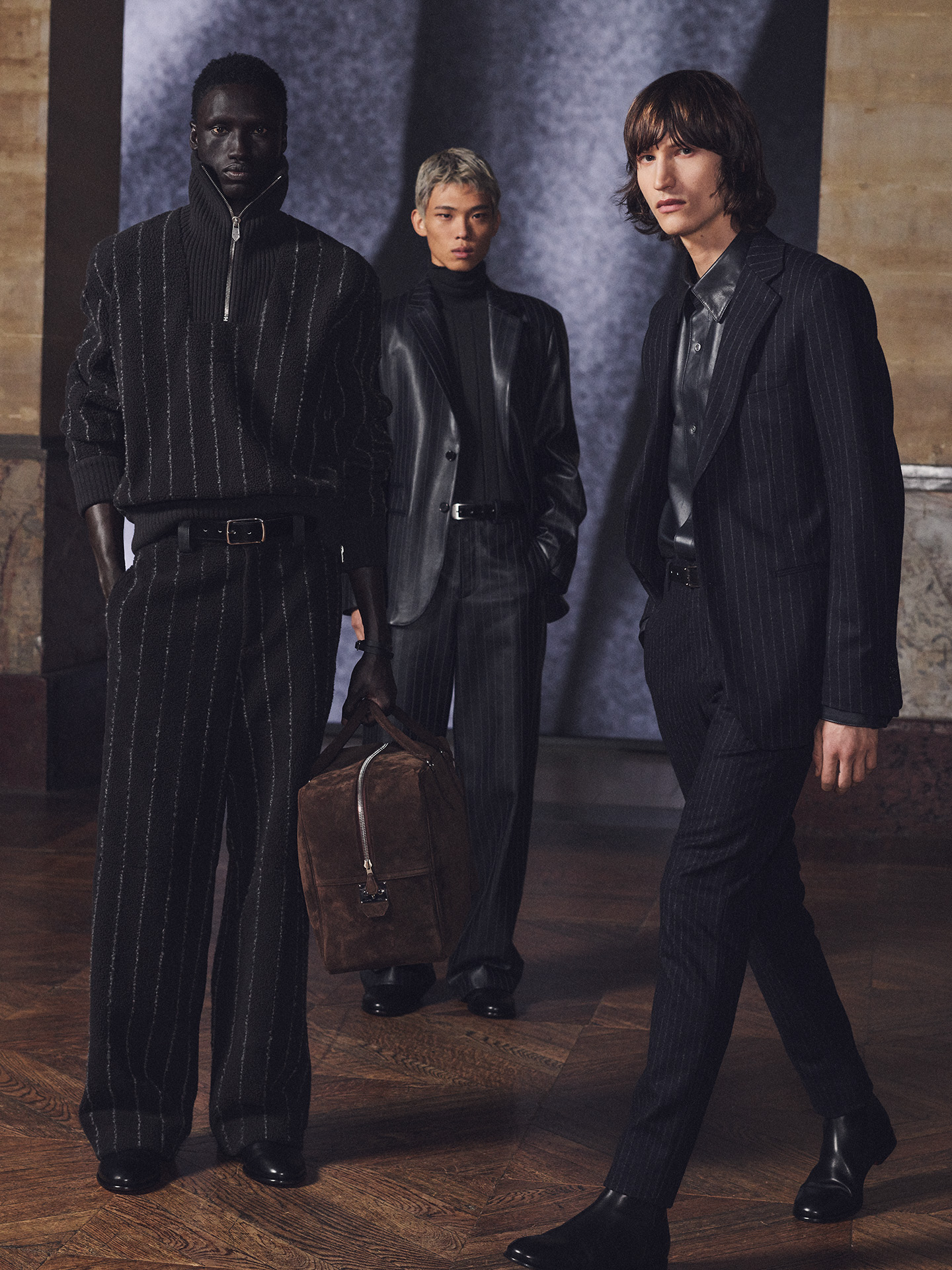
The end of an era: Véronique Nichanian’s swansong for Hermès is a masterclass in timeless luxury
From Lagos to London Sundance 2026’s must-see films From Lagos to London Sundance 2026’s must-see films

From Lagos to London Sundance 2026’s must-see films
A Life in Pictures with Miranda Barnes A Life in Pictures with Miranda Barnes
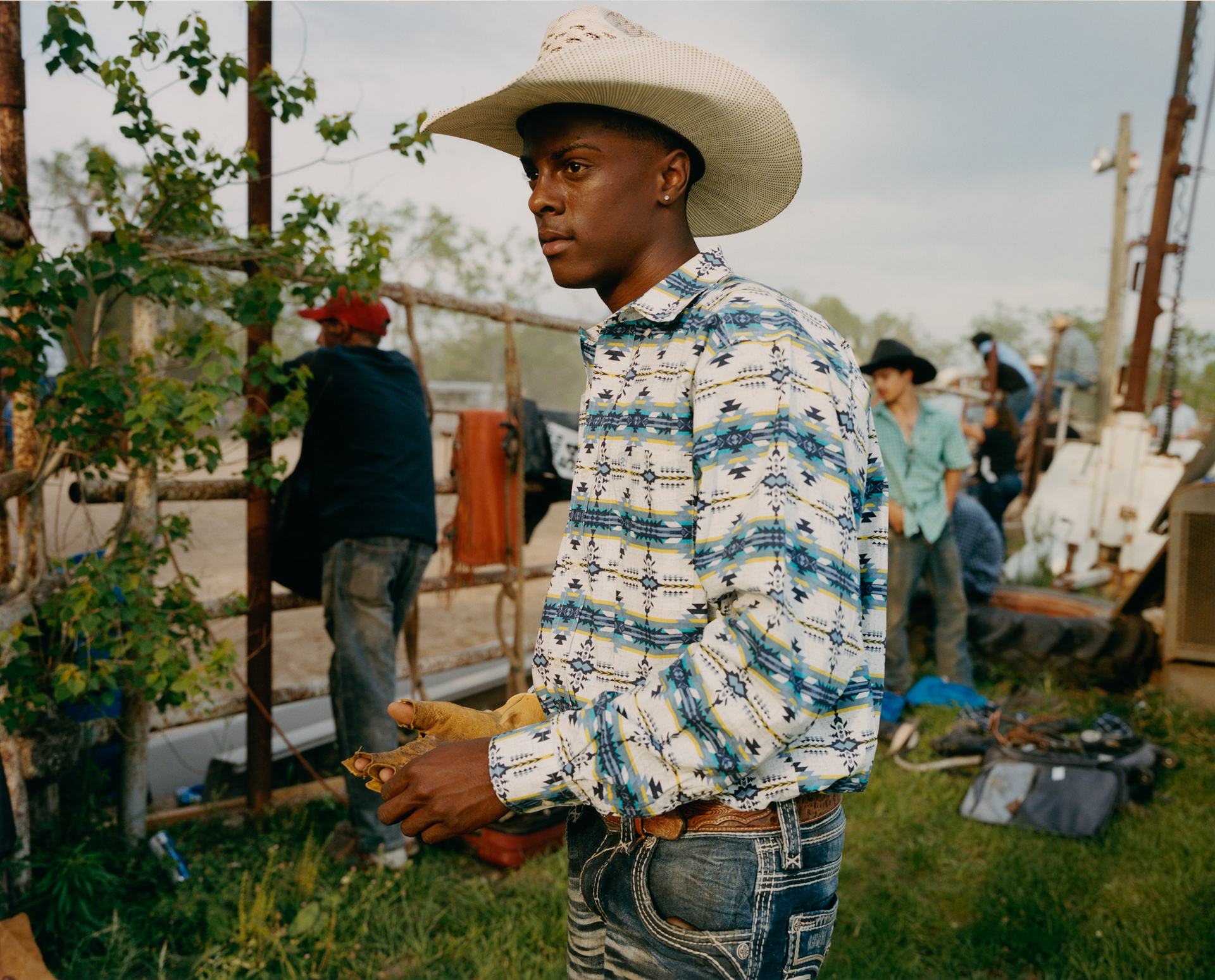
A Life in Pictures with Miranda Barnes
Young Londoners on community, connection and their hopes for 2026 Young Londoners on community, connection and their hopes for 2026
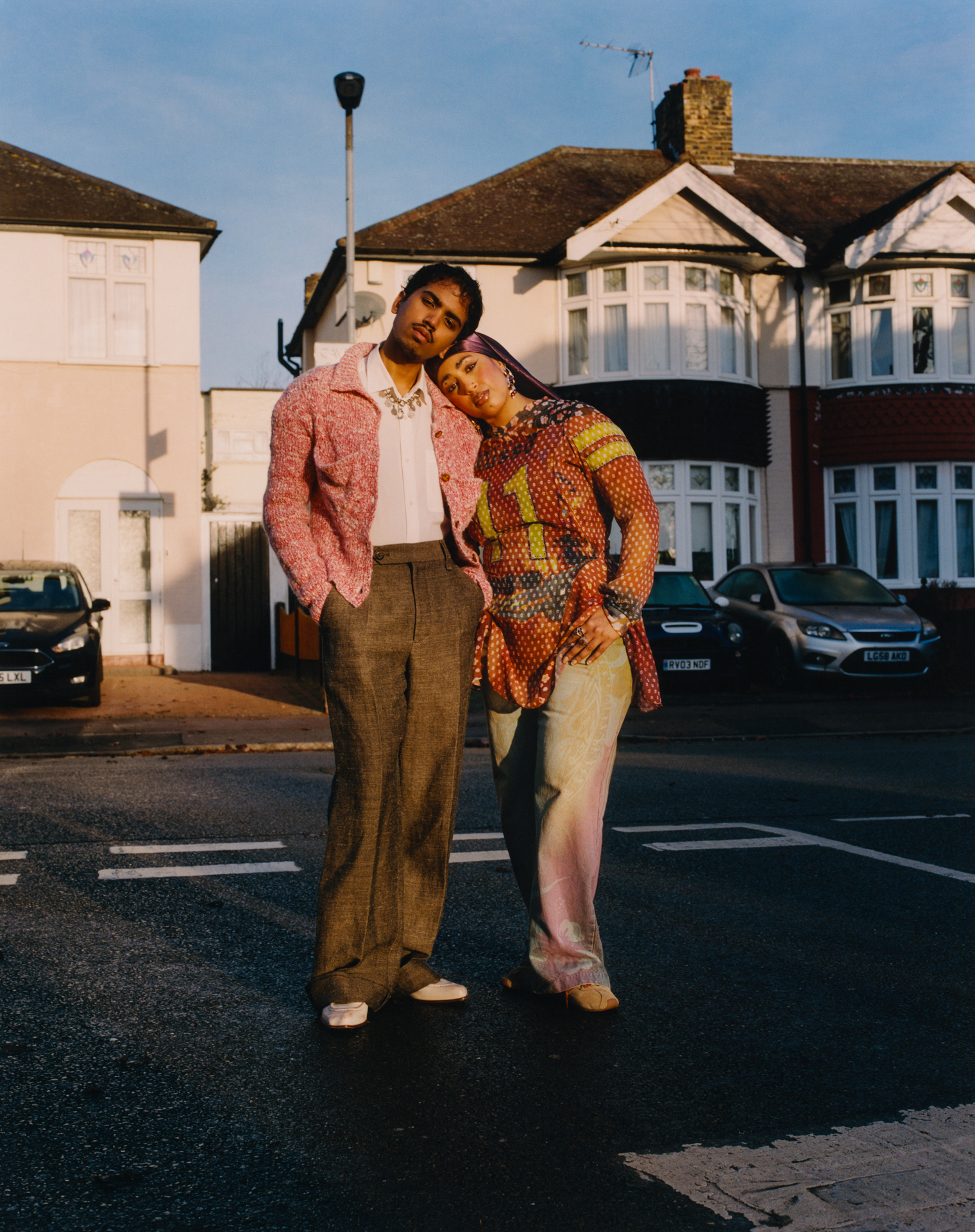
Young Londoners on community, connection and their hopes for 2026
Meet Nina Christen, the footwear designer behind a decade of viral fashion moments Meet Nina Christen, the footwear designer behind a decade of viral fashion moments

Meet Nina Christen, the footwear designer behind a decade of viral fashion moments
Inside Kristen McMenamy’s enchanting London home Inside Kristen McMenamy’s enchanting London home

Inside Kristen McMenamy’s enchanting London home
Tokyo based creatives share their hopes for 2026 Tokyo based creatives share their hopes for 2026
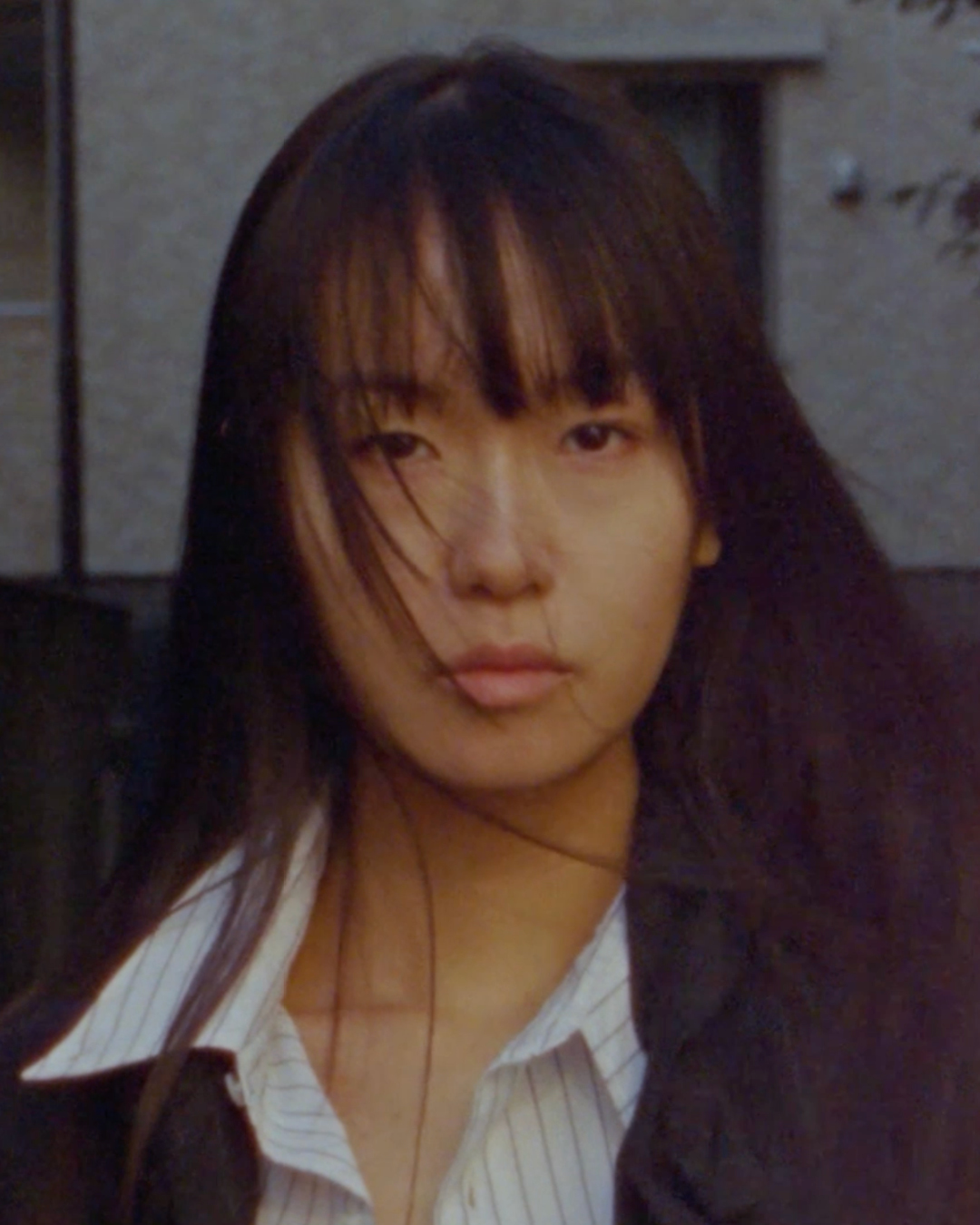
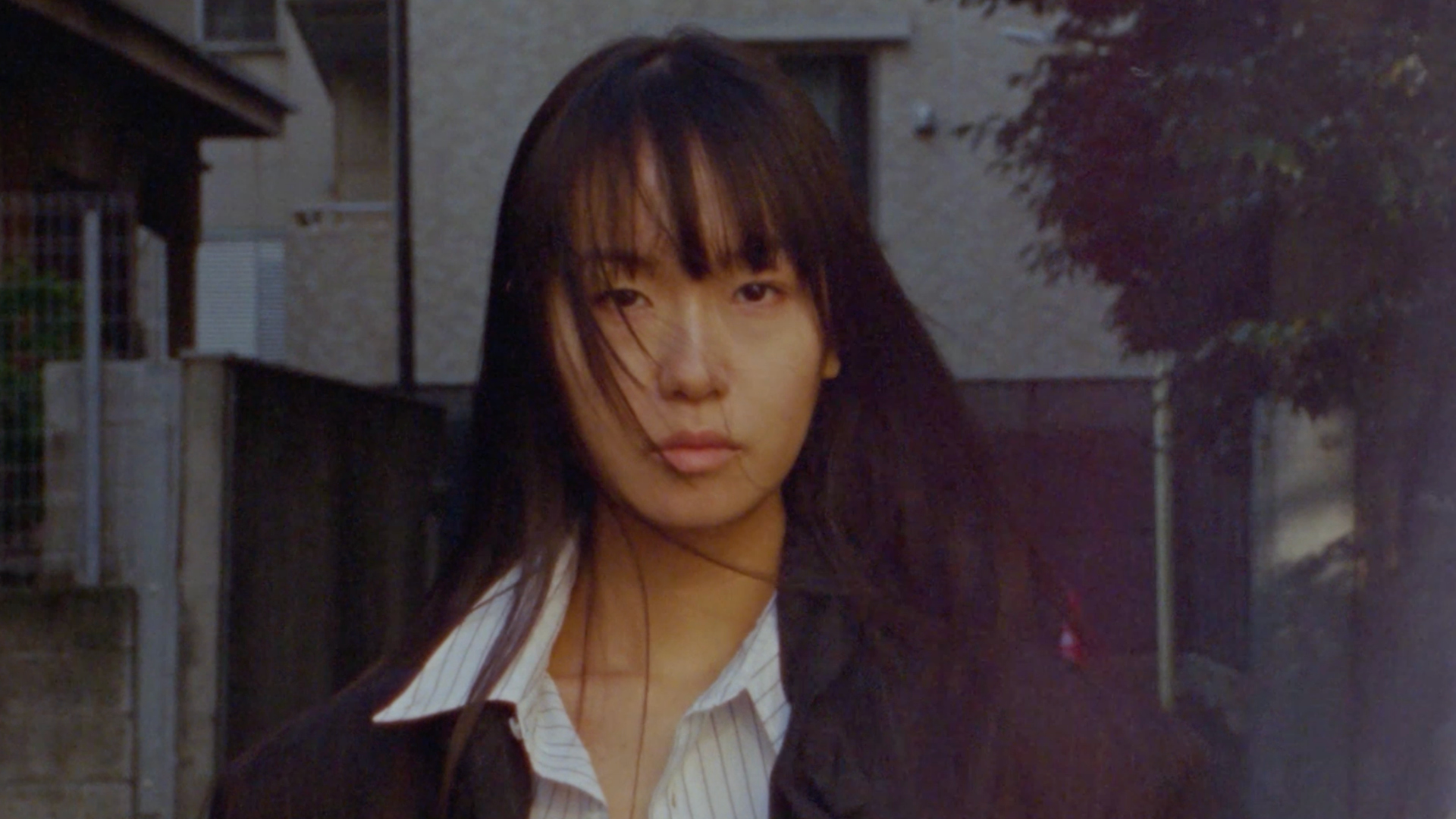
Tokyo based creatives share their hopes for 2026
“My hope for 2026 is that my queer and trans siblings can live fully and unapologetically, without fear or stigmatization” “My hope for 2026 is that my queer and trans siblings can live fully and unapologetically, without fear or stigmatization”