“Couture is about ideas”: Jonathan Anderson opens the doors to his haute Dior laboratory
Jonathan Anderson’s debut haute couture collection for Dior reframed the house’s most sacred tradition as an ideas-led laboratory, where craft, culture and curiosity reign. Anders Christian Madsen reports…
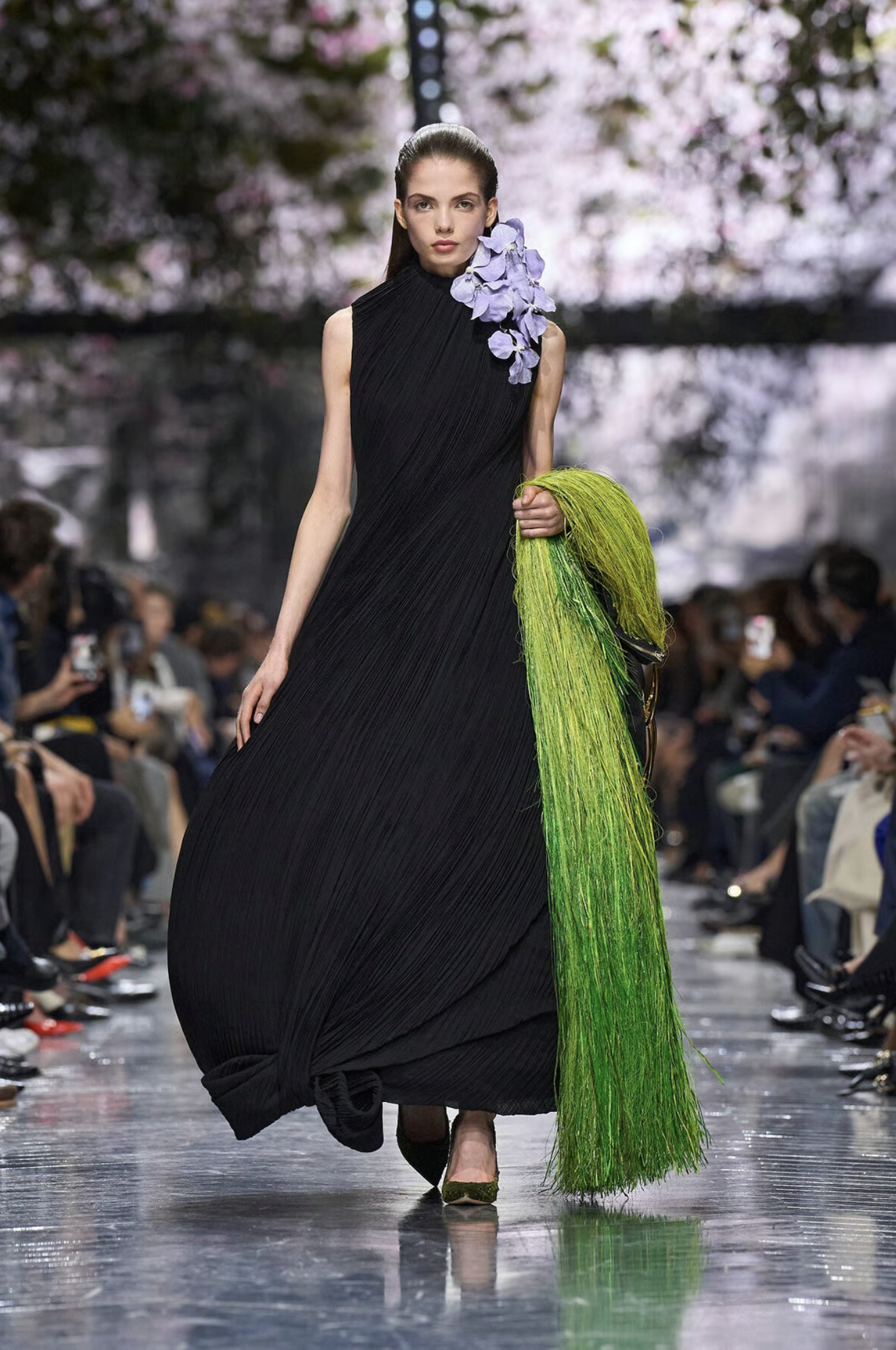
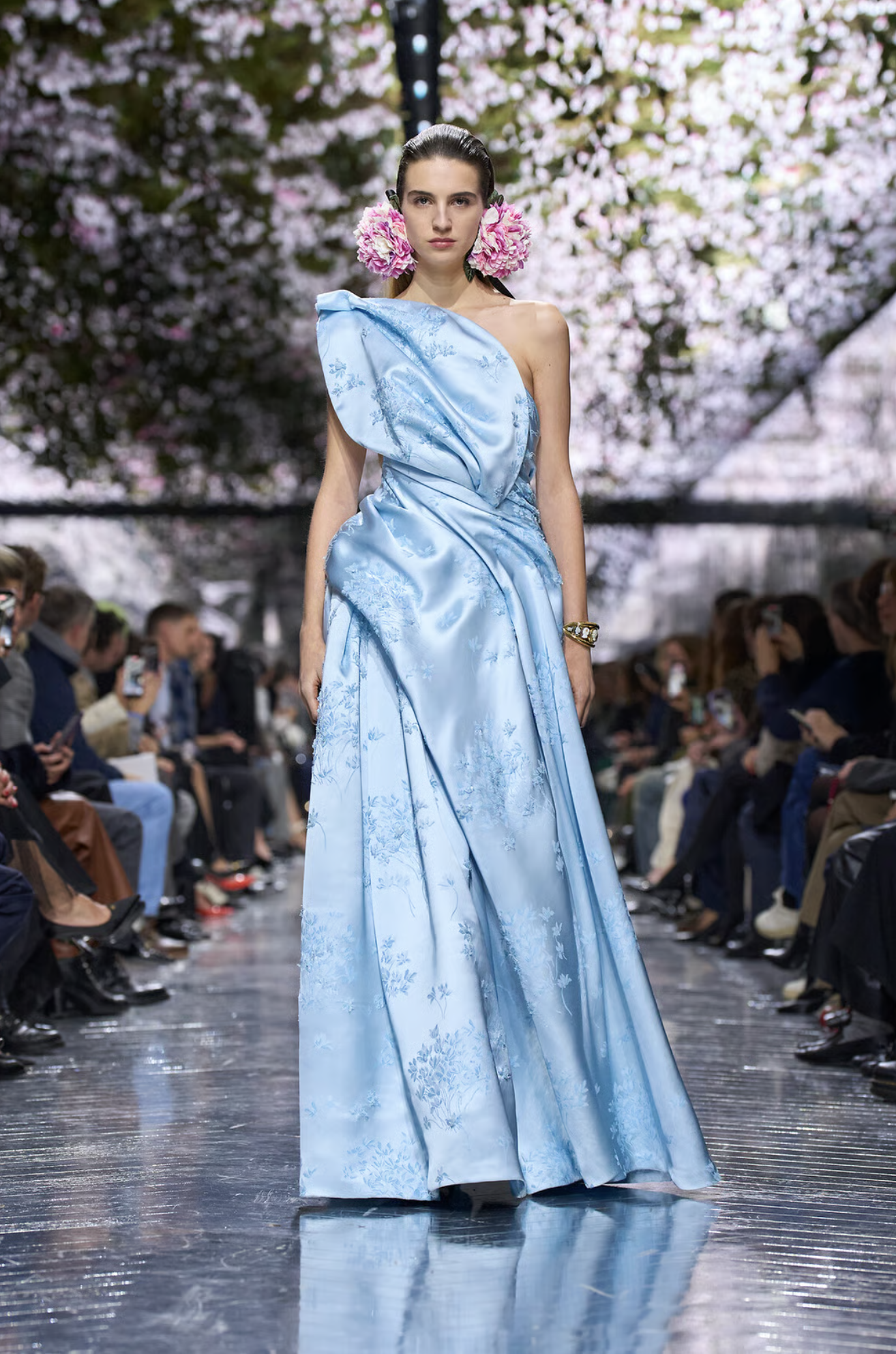
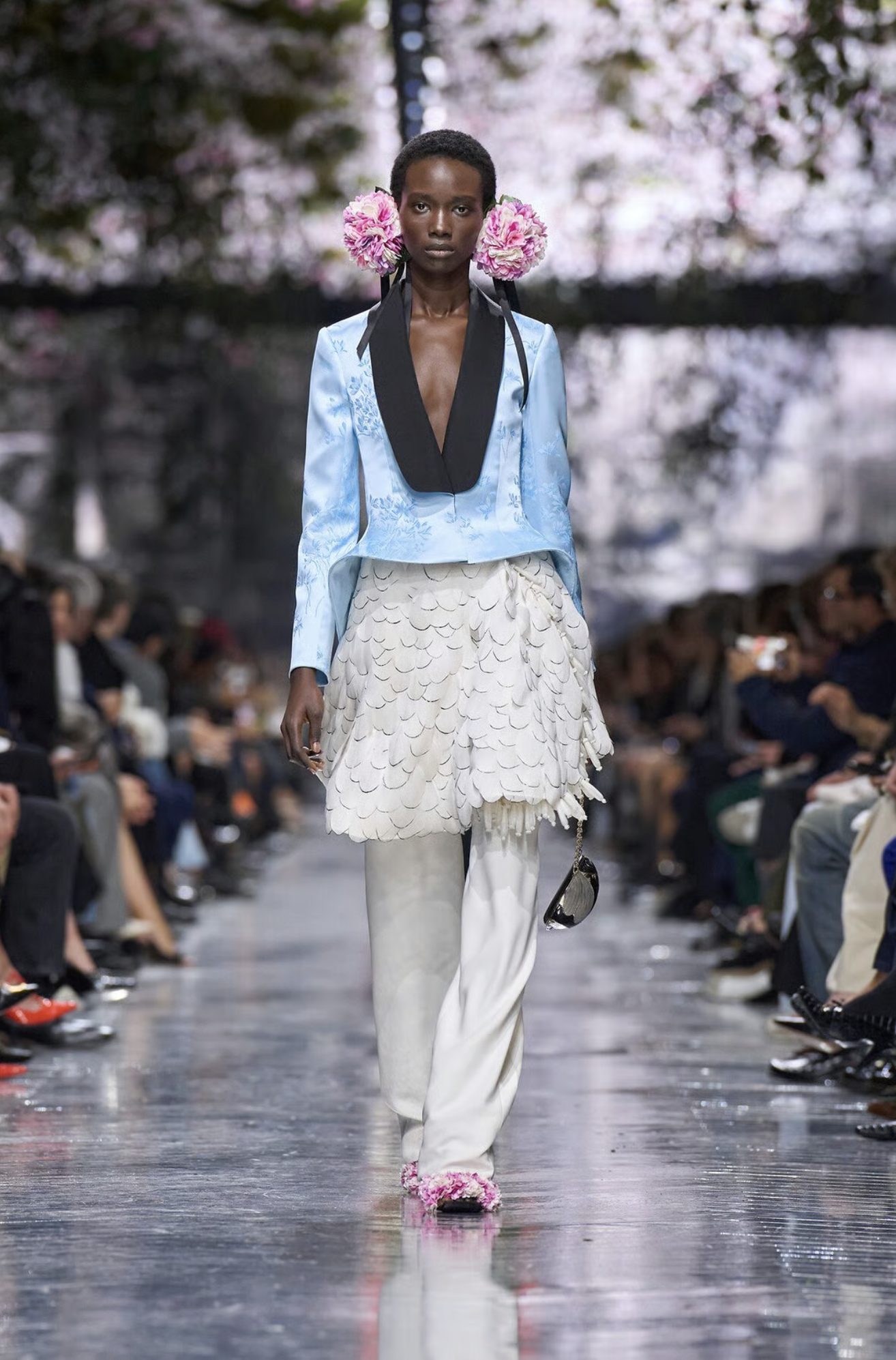
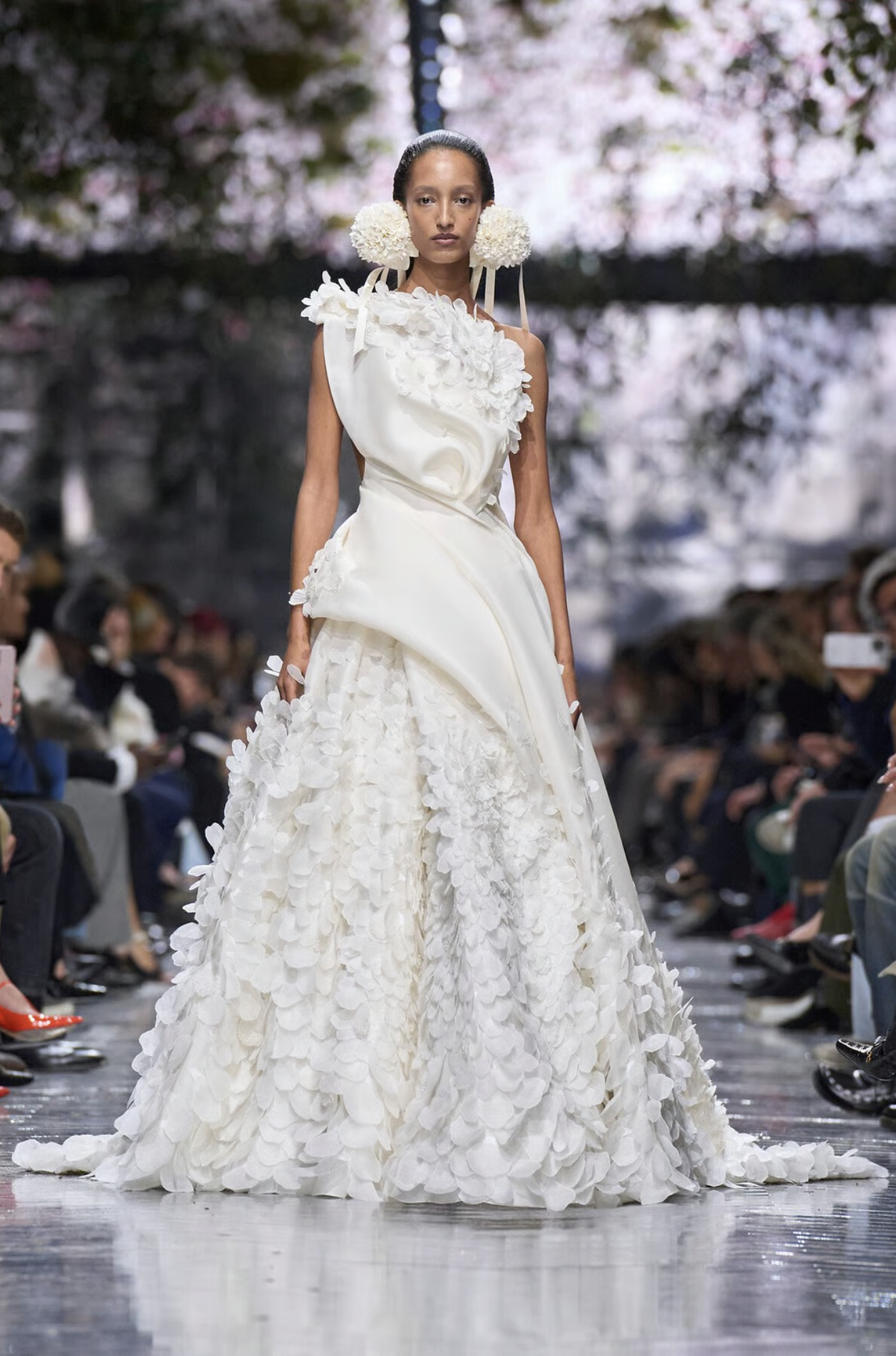
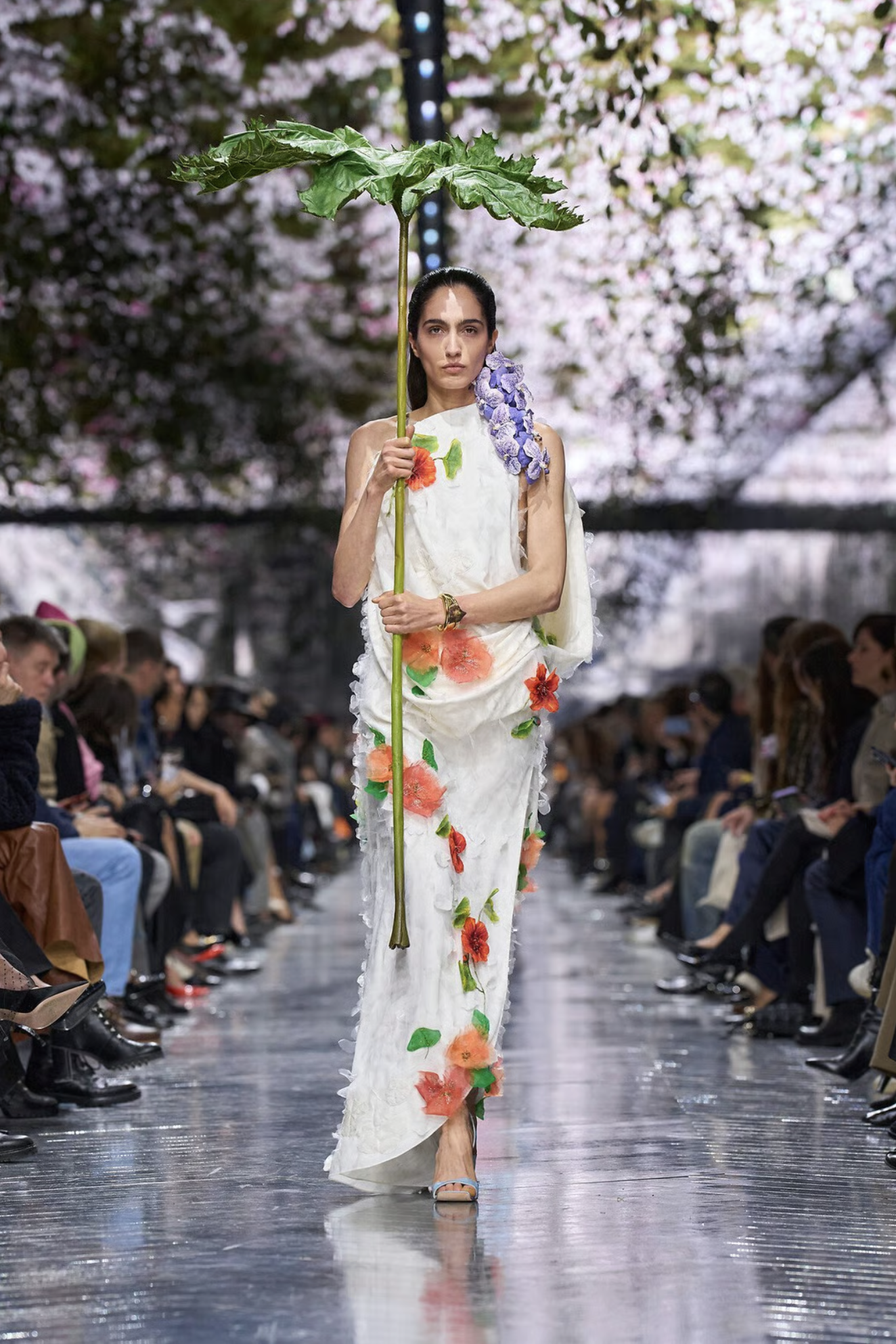
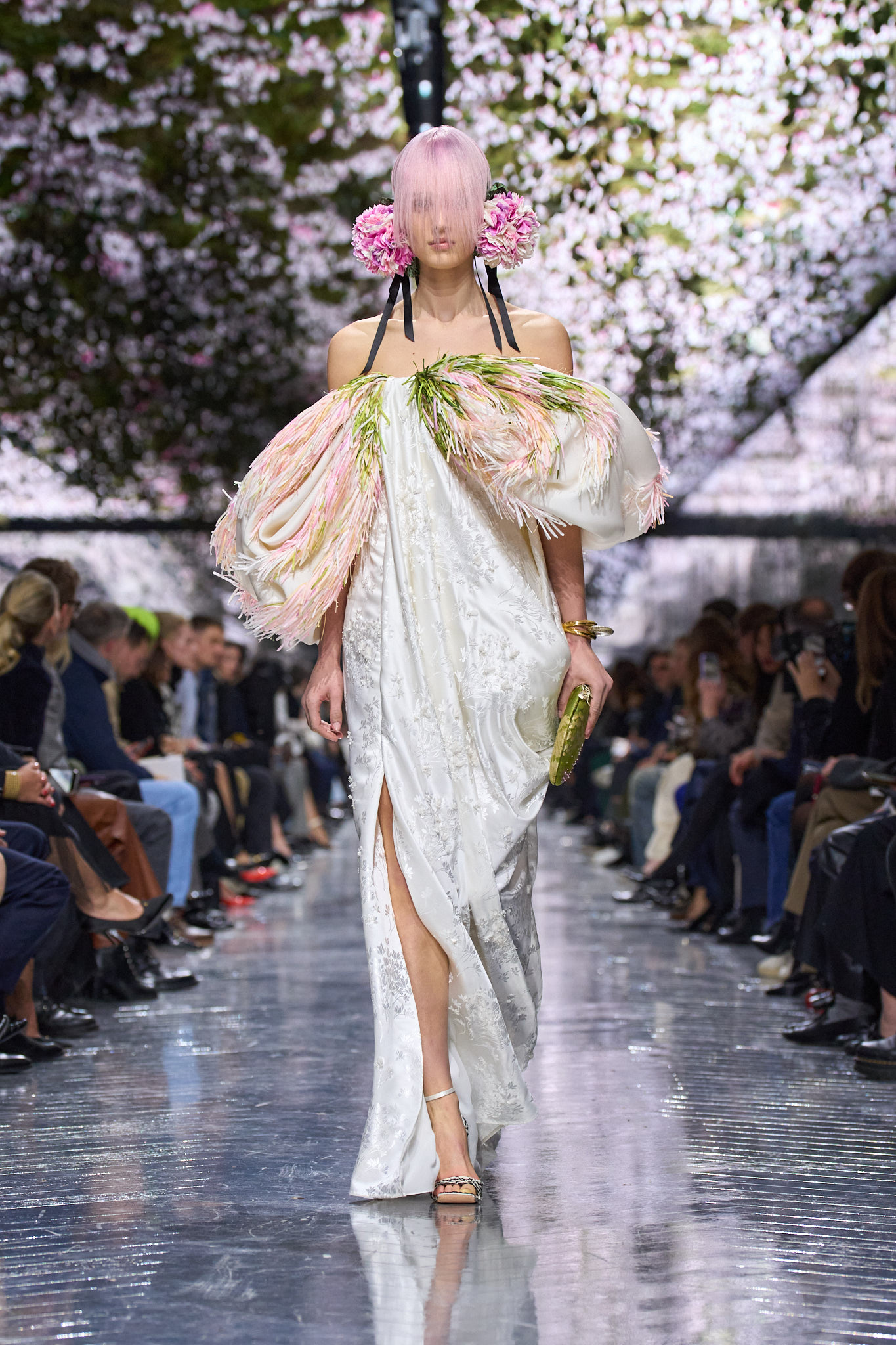
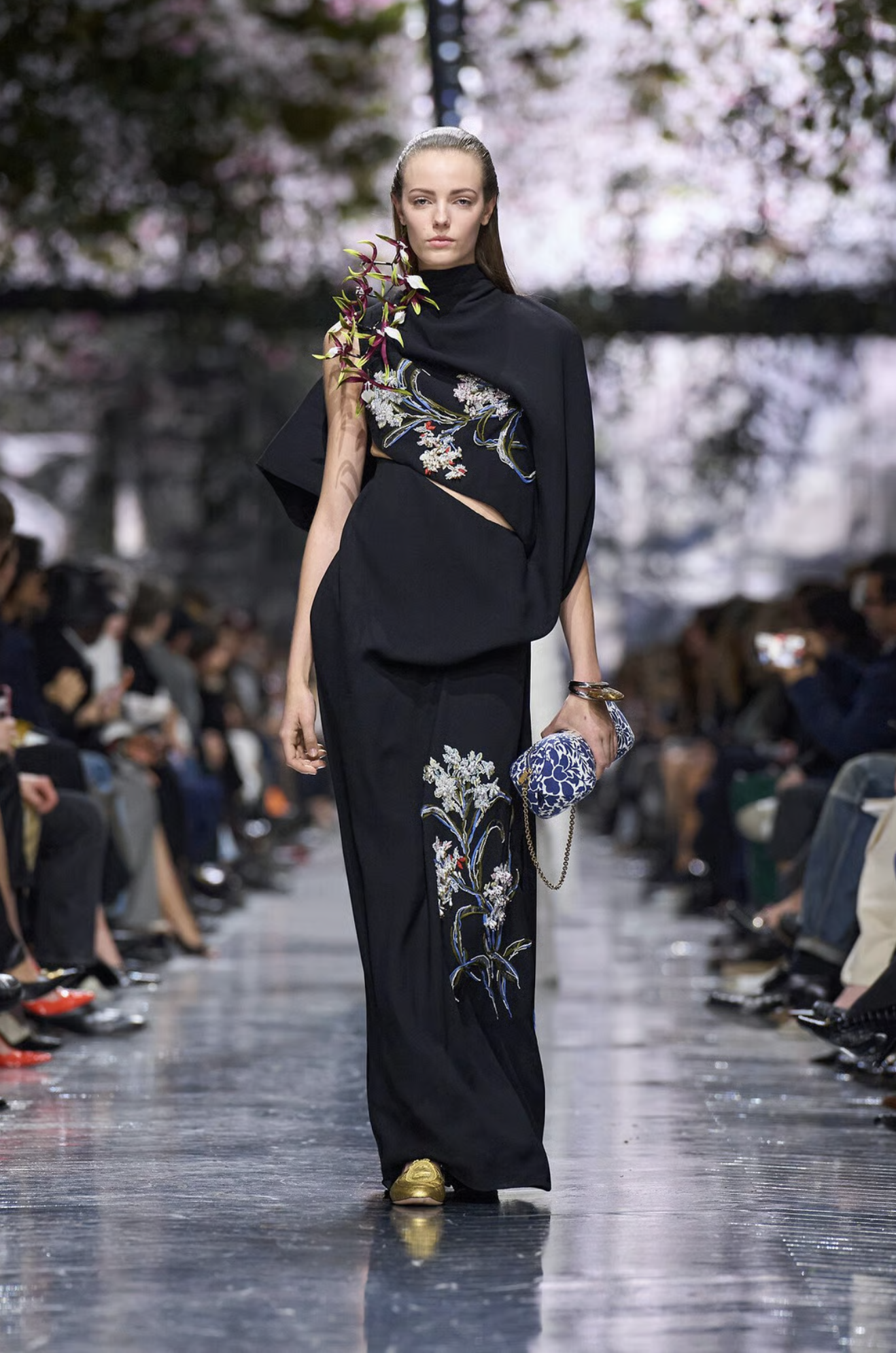
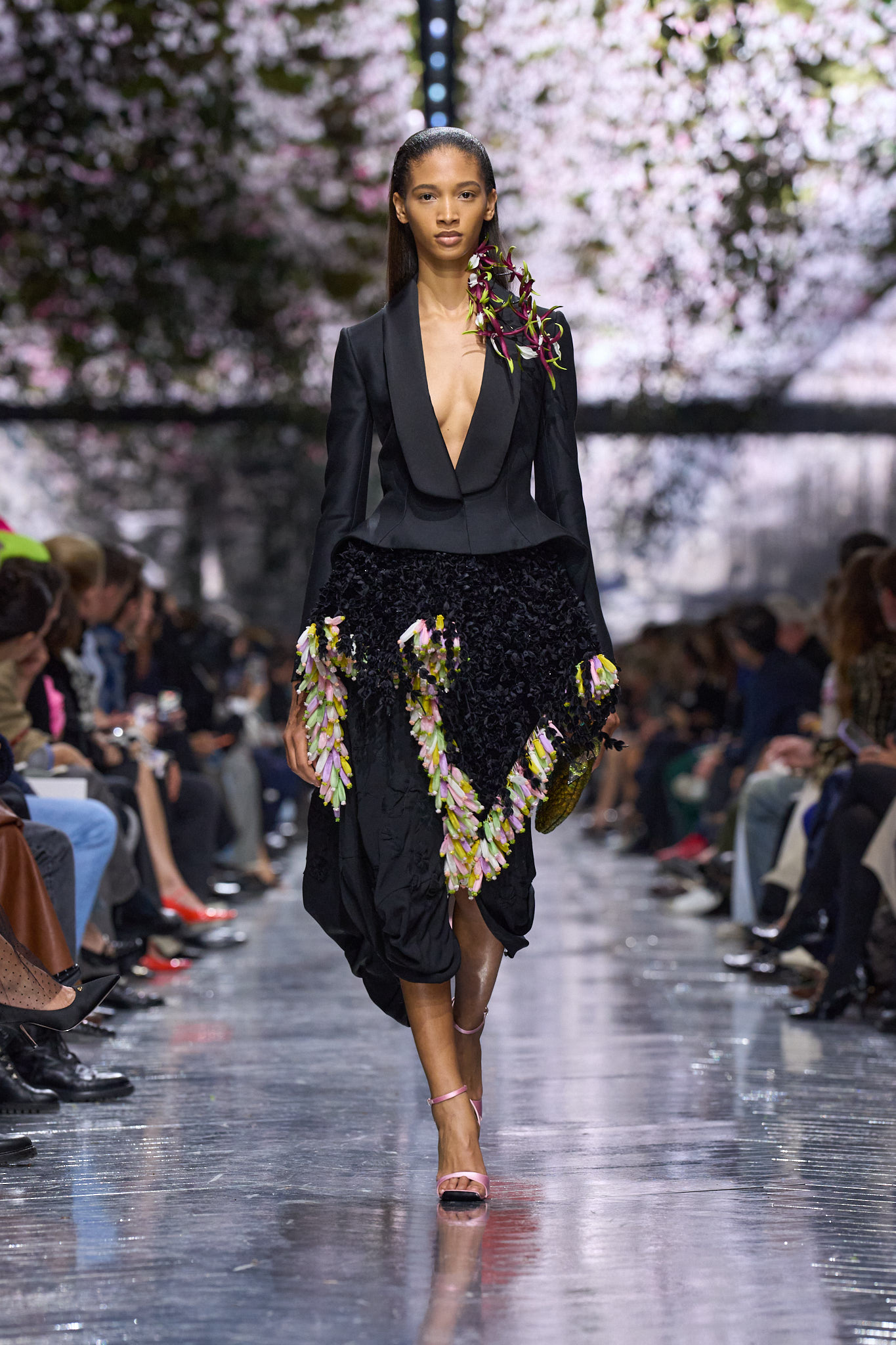
“I never looked at couture. I never had any ‘revere’ for it,” Jonathan Anderson said during a preview for his first Dior haute couture show on Monday morning. “And when you’re doing it, you have so much ‘revere’ for it.” His words reflected both his position as the cool designer—almost too cool for the old craft of couture—who’s come in to give Dior new relevance, and his position as a novice couturier with a formidable spotlight pointed at him. Days before, Anderson recounted on Instagram a meeting he’d had with John Galliano in September. He used the experience to frame the show: the cyclamen Galliano had brought him was reincarnated in a white box that came with the invitation, they garlanded the ceiling of the show tent in the Musée Rodin’s garden, and reappeared on looks in the collection. Galliano attended the show, sparking all the awe and amazement that unfolds when people see this mythical fashion hero in real life.
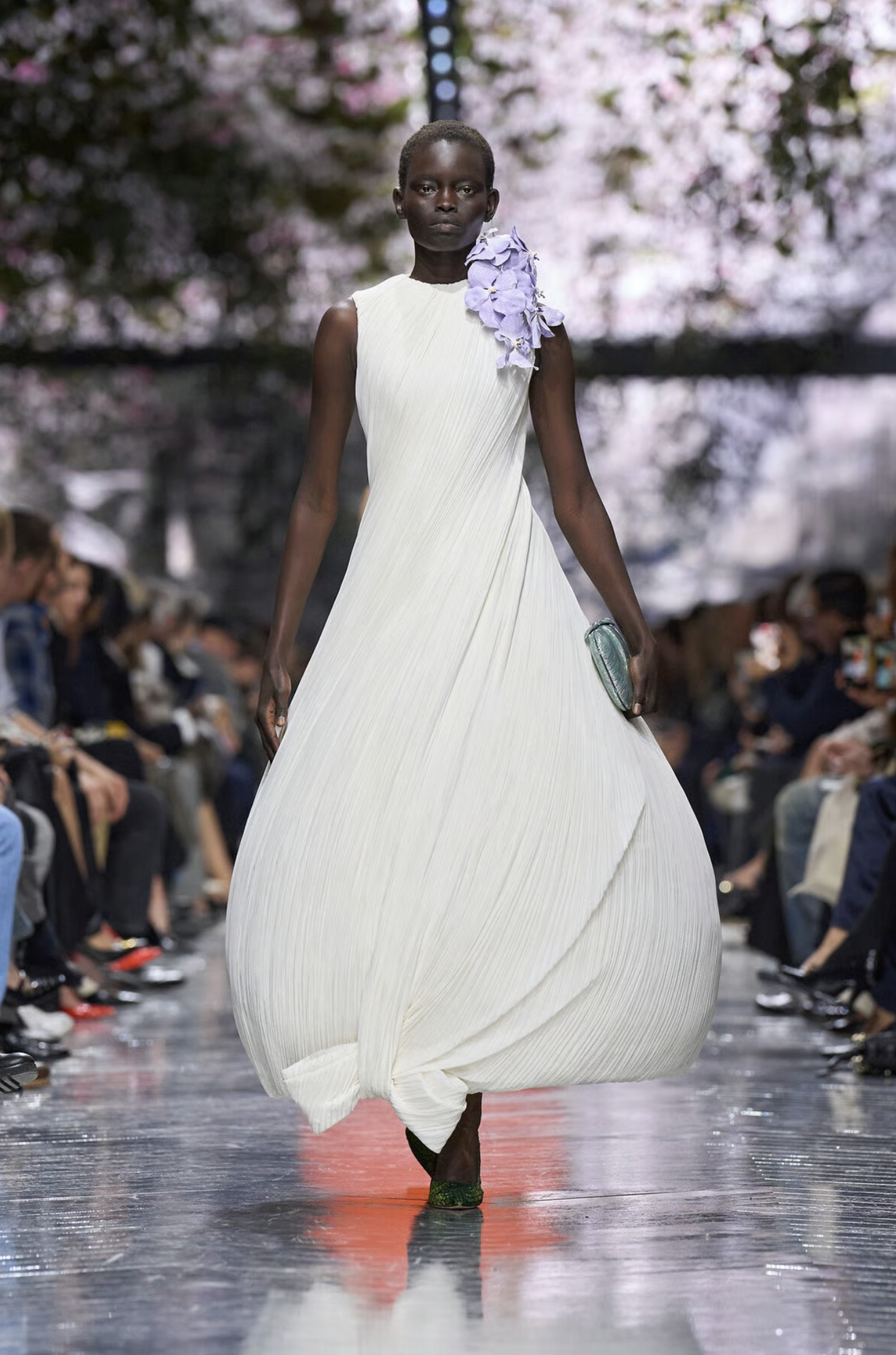
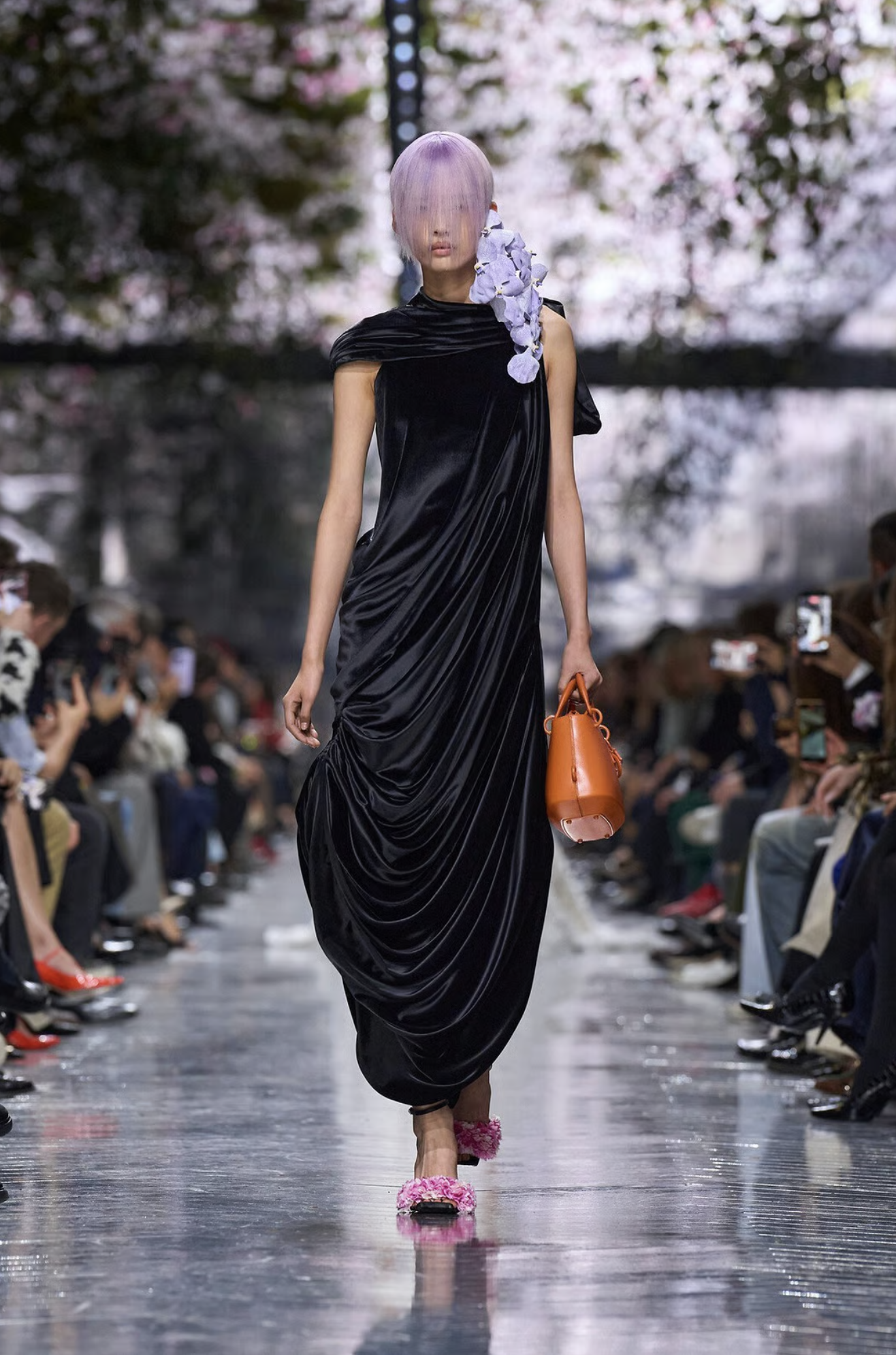
You could conjure the spirit of Galliano’s Vionnet-inspired cutting in some of the blue or black draped gowns Anderson skewed dramatically on the female physique toward the end of the show, but his couture debut wasn’t an homage to the narrative-driven, larger-than-life Dior collections of Galliano, at least not in construction. Instead, it was decidedly in Anderson’s spirit: a series of studies manifested in different form languages and abstract gestures, set the tones of Vivaldi’s Four Seasons and Portishead’s Glory Box. It was partly informed by the anthropomorphic work of ceramic artist Magdalene Odundo. The three opening dresses in ruched silk—which was the first piece Anderson had worked on when he entered the house—echoed the ceramic-like silhouettes of his Dior ready-to-wear debut in September. From that point on, the silhouette shape-shifted freely. “For me, it’s about ideas. Ideas can make money. It’s not about one note, like ‘this is the Dior look.’ My brain doesn’t work that way. I get bored too quickly,” he said.
I never looked at couture. I never had any ‘revere’ for it, and when you’re doing it, you have so much ‘revere’ for it.
JONATHAN ANDERSON
For me, it’s about ideas. Ideas can make money. It’s not about one note, like ‘this is the Dior look.’ My brain doesn’t work that way. I get bored too quickly.
JONATHAN ANDERSON
“Christian Dior worked for ten years. We know some of the iconic dresses, but not all of them were iconic. He was working out what they were going to be, and he became a genius business guy. He licensed all his designs to make a lot of money. So, I’m trying to work out how to push things,” Anderson explained, highlighting haute couture as his ultimate laboratory for ideas. Because of his multifaceted approach, the show didn’t leave you with one idea of a “new look”—to use the founder’s signature term—but with more of a feeling that’s starting to outline Anderson’s Dior. With its nature-influenced and heavy-on-the-florals approach, it was a highly romantic, porcelain-like sentiment much sweeter than the Anderson we knew at Loewe. Like Raf Simons before him—another certifiably cool designer brought into Dior—the house seems to have inspired in Anderson a soft and delicate expression. Amplified by the mind-blowing craftsmanship of its couture ateliers, it came at you with ultra-feminine flair.
The shape-shifting nature of the show made for compelling viewing, but Anderson’s highlights weren’t in the silhouette as much as in the detail. Most fascinating—and perhaps most Galliano, too—were the antique cameos he pinned to dresses with little frames of flowers. As the historical miniature paintings wafted past you, you wanted to chase them to get a closer look. Anderson said he’d used them because he liked the 18th-century spirit of dressing up for getting your portrait painted, but their appearance was much more powerful than that. Who were they? Why were they doing there? In those faces was the kind of storytelling that embodied Galliano’s Dior and created the magnetism that the generations who grew up with him still feel toward the house. It’s those moments of magic that make us dream and make us want more. Soulful elements like these, alongside his vow to make Dior’s haute couture an “ideas-first” platform, will set Anderson up for success as a newbie couturier. His debut certainly turned an energizing page in the history book of the house.
Meet the designers shaping fashion’s future Meet the designers shaping fashion’s future
Meet the designers shaping fashion’s future
Nearly 40 years on, Kate Moss is still the model of the moment Nearly 40 years on, Kate Moss is still the model of the moment
Nearly 40 years on, Kate Moss is still the model of the moment
Ajus Samuel and Jacqui Hooper go big and go bold Ajus Samuel and Jacqui Hooper go big and go bold
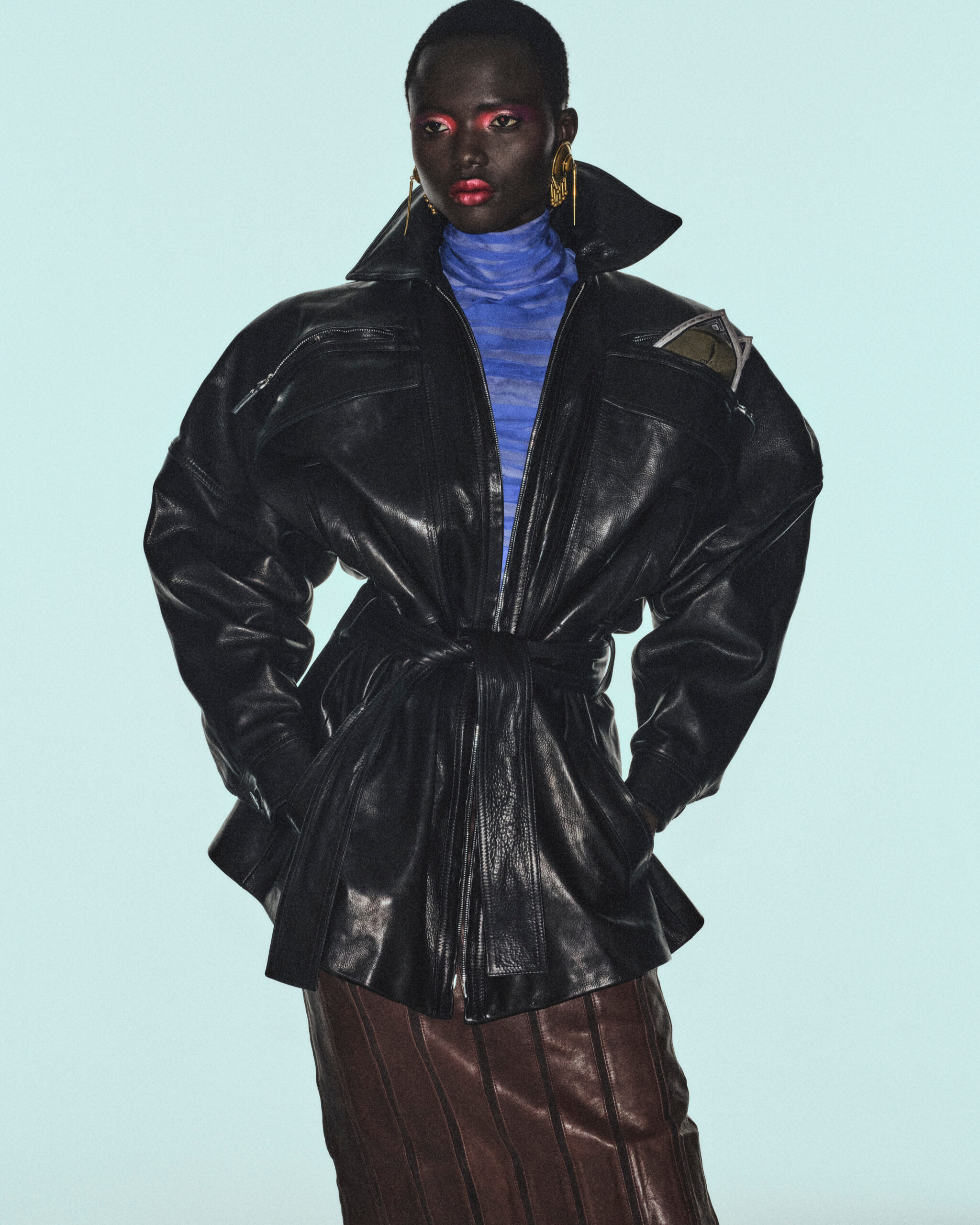
Ajus Samuel and Jacqui Hooper go big and go bold
The second album is the hardest. Get ready for fashion’s sophomore season The second album is the hardest. Get ready for fashion’s sophomore season
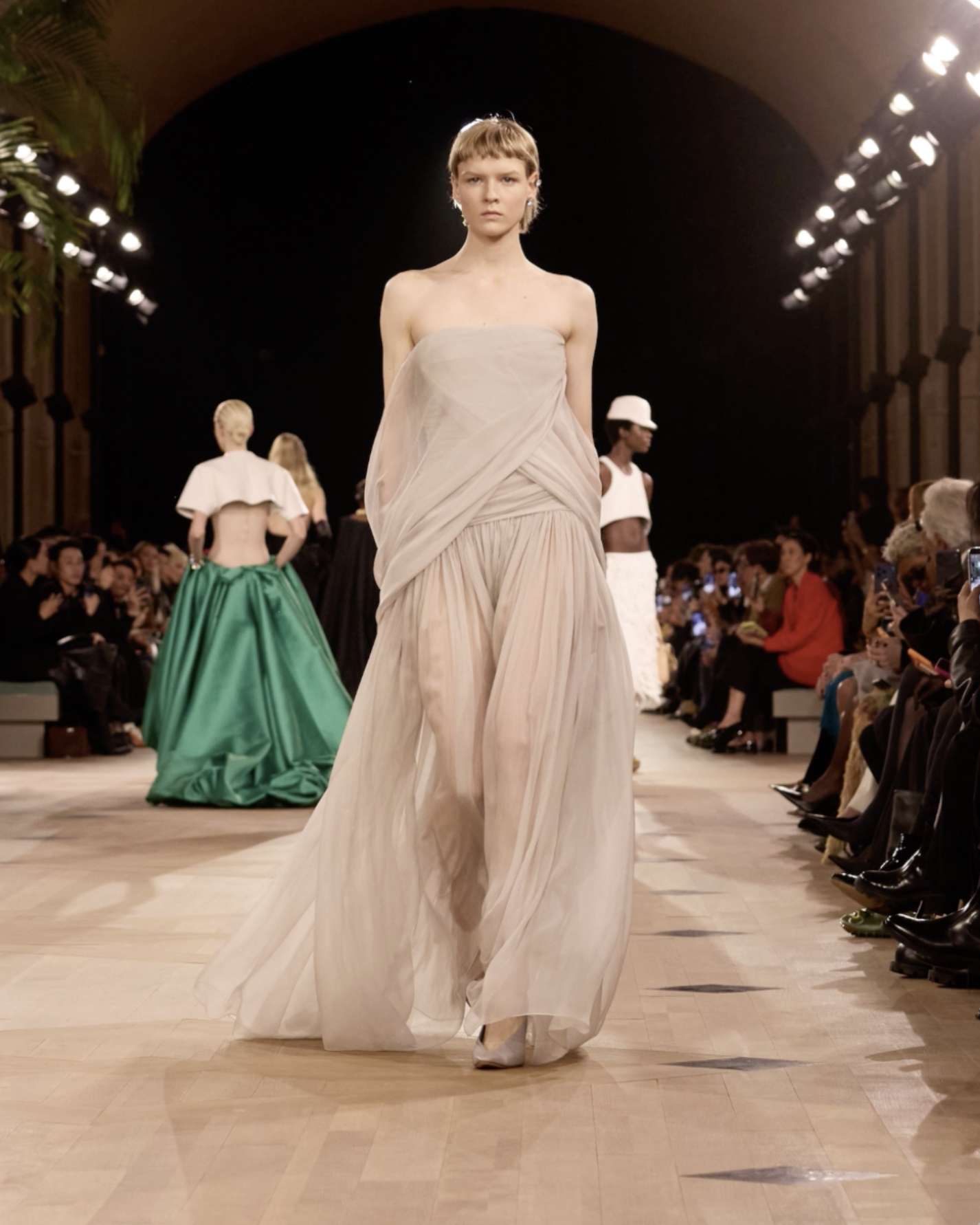
The second album is the hardest. Get ready for fashion’s sophomore season
The King and I: In memory of the late Giorgio Armani The King and I: In memory of the late Giorgio Armani
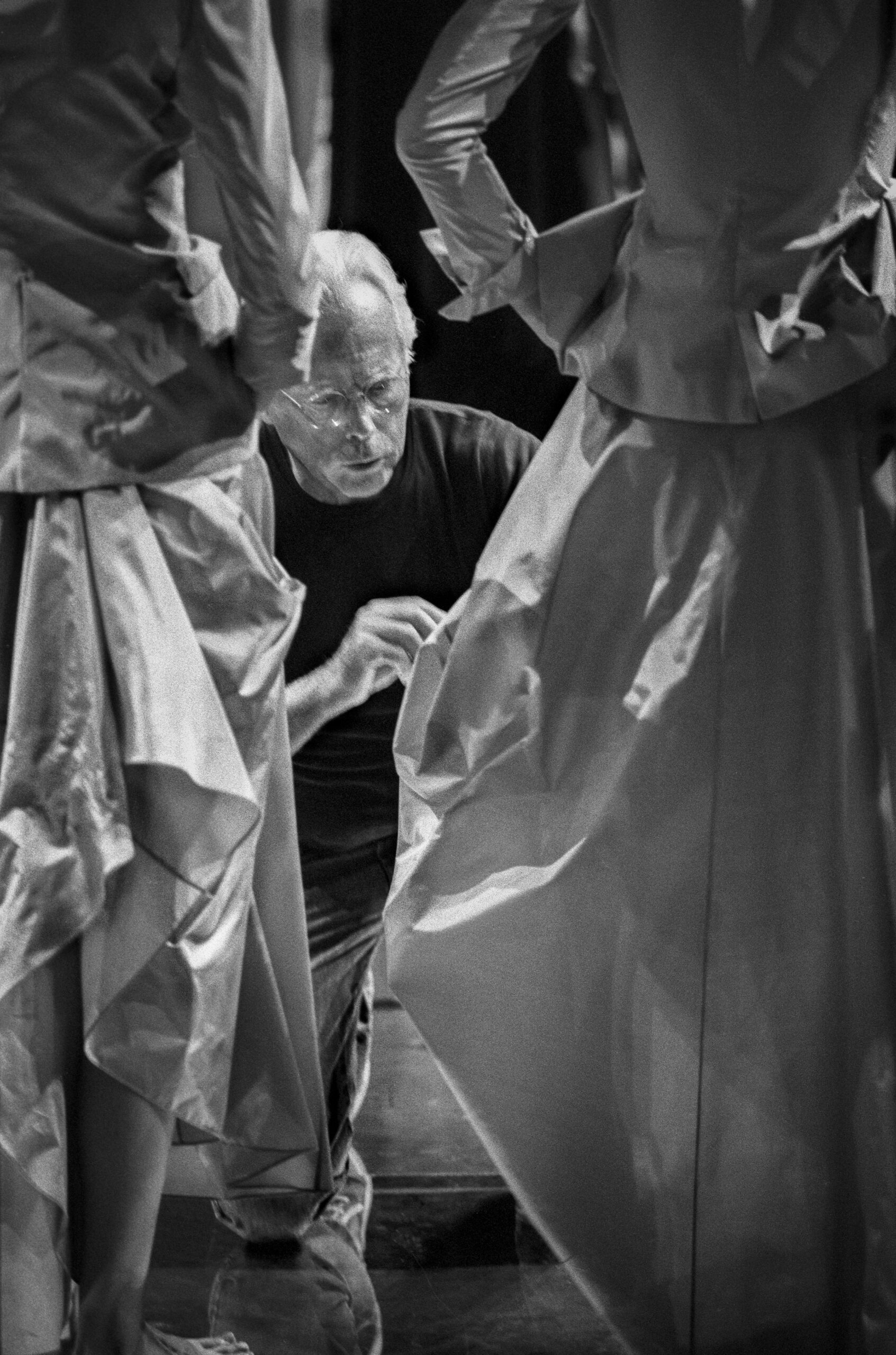
The King and I: In memory of the late Giorgio Armani
Boys ‘N’ Bags Boys ‘N’ Bags
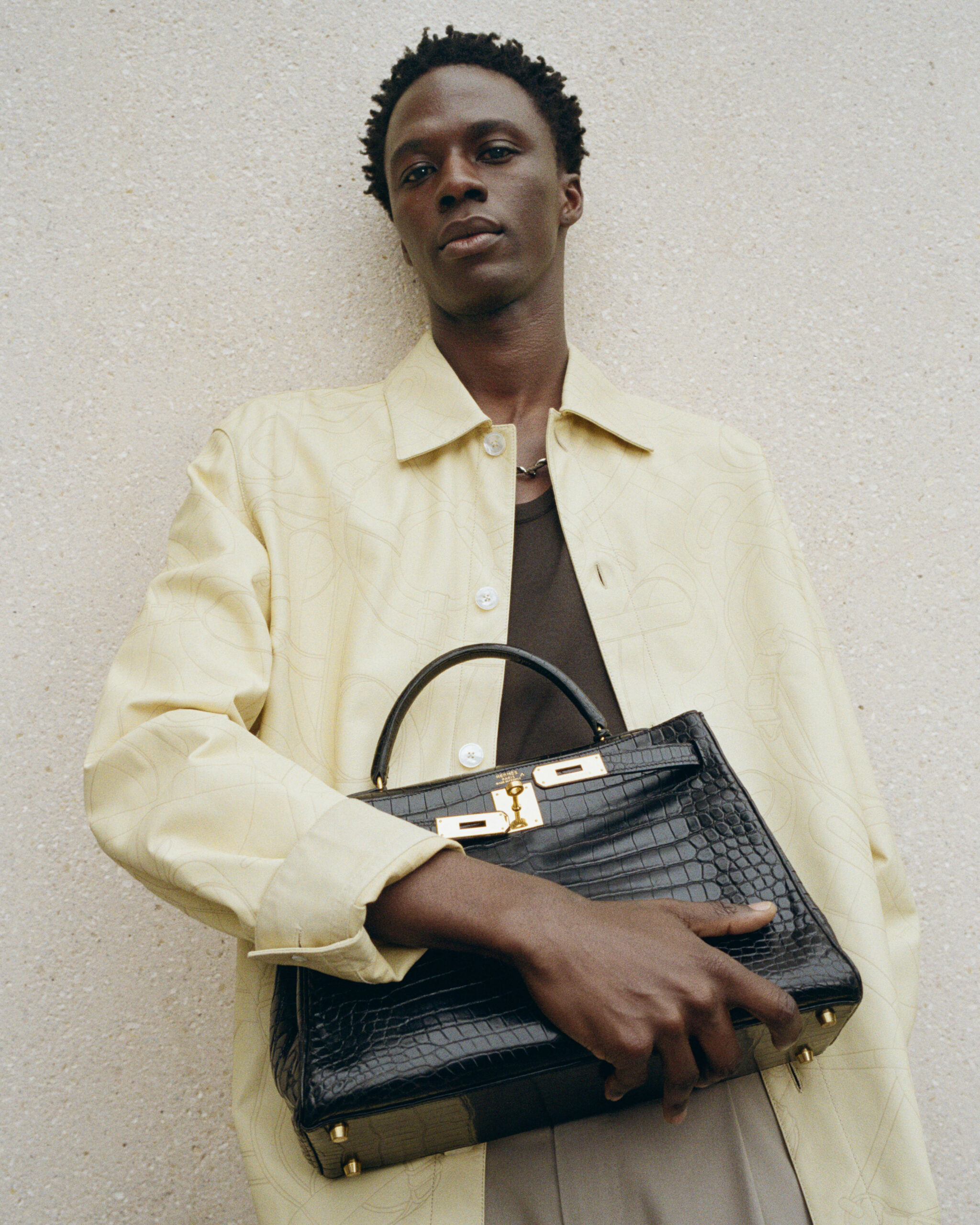
Boys ‘N’ Bags
Meet Nina Christen, the footwear designer behind a decade of viral fashion moments Meet Nina Christen, the footwear designer behind a decade of viral fashion moments
Meet Nina Christen, the footwear designer behind a decade of viral fashion moments
Hoyeon Jung looks to the future Hoyeon Jung looks to the future