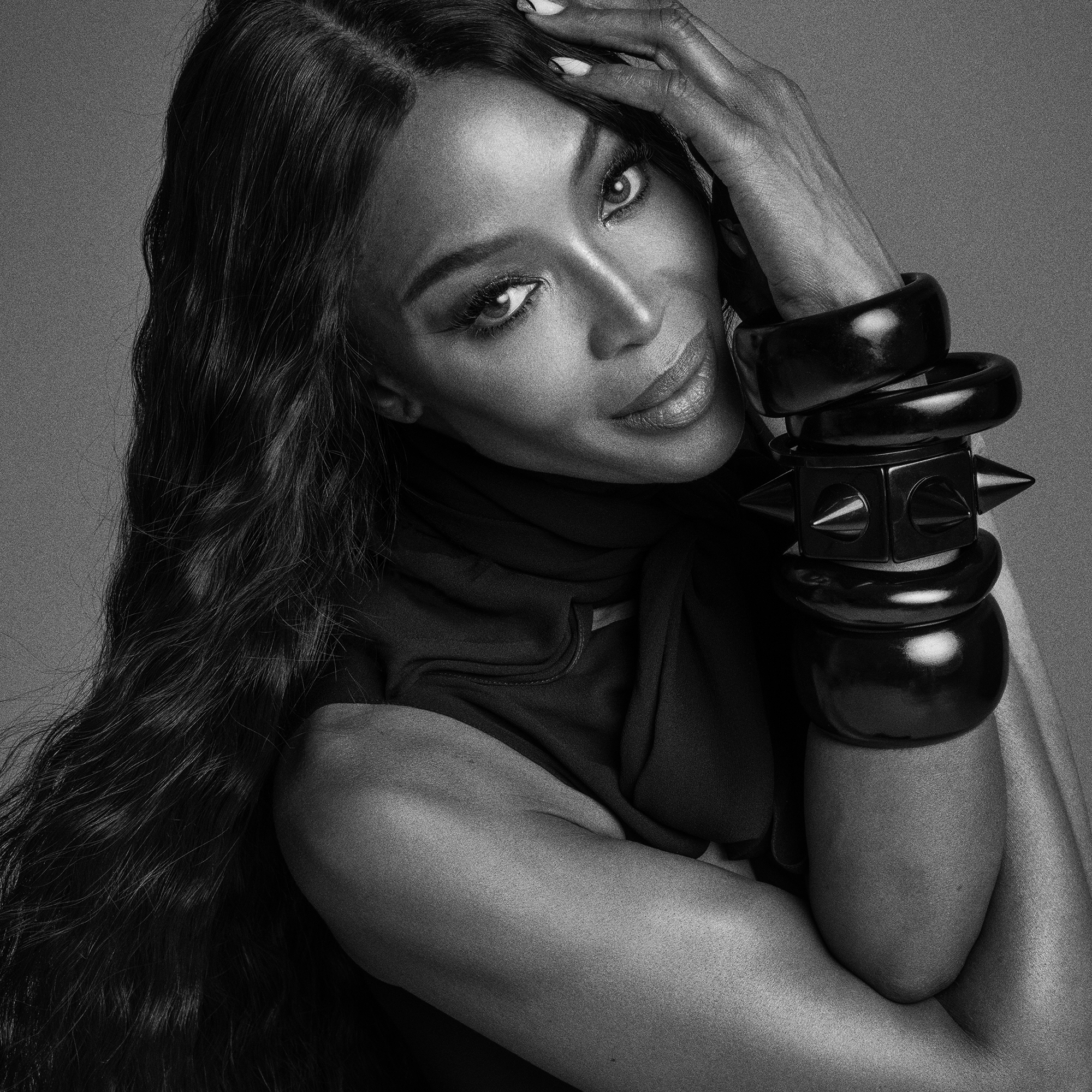
As fashion oscillates between spectacle and escapism, Marc Jacobs chooses restraint. For spring/summer 2026, the designer looks back to the minimalist codes of the 1990s as a response to the anxiety of our times.
In his spring 2026 collection notes, Marc Jacobs – who shows in-season – mused about memories: “[They influence] who we are, what we create, what we leave behind and what we carry forward.” His reflections went hand-in-hand with a collection that referenced much of his own oeuvre from the 1990s as well as those of Helmut Lang and Prada – and Yves Saint Laurent’s 1965 haute couture show – all of which were respectfully listed in the notes. In this anxiety-inducing political landscape where we wake up to disquieting developments every day, a wistfulness for the good old days isn’t hard to explain.
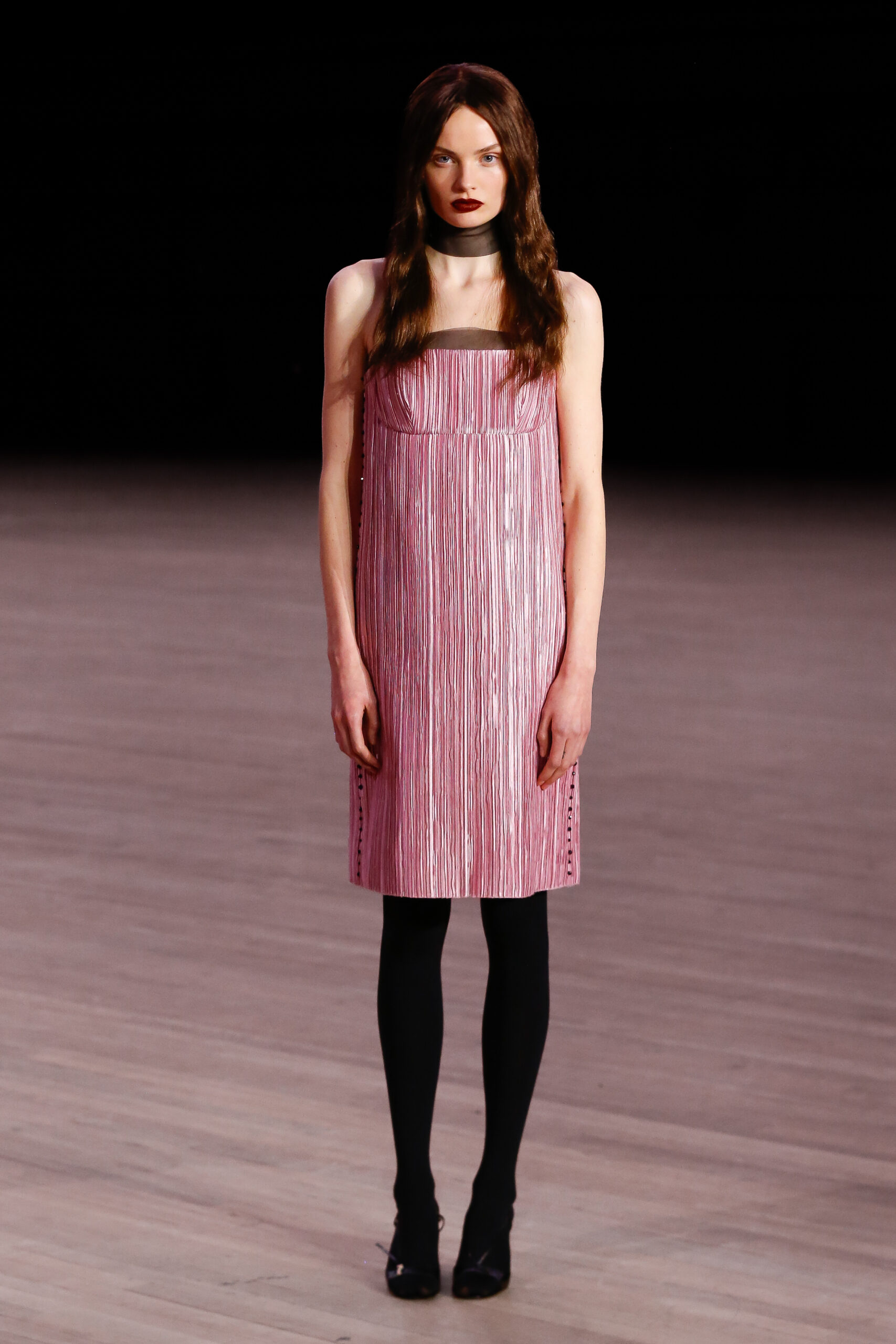
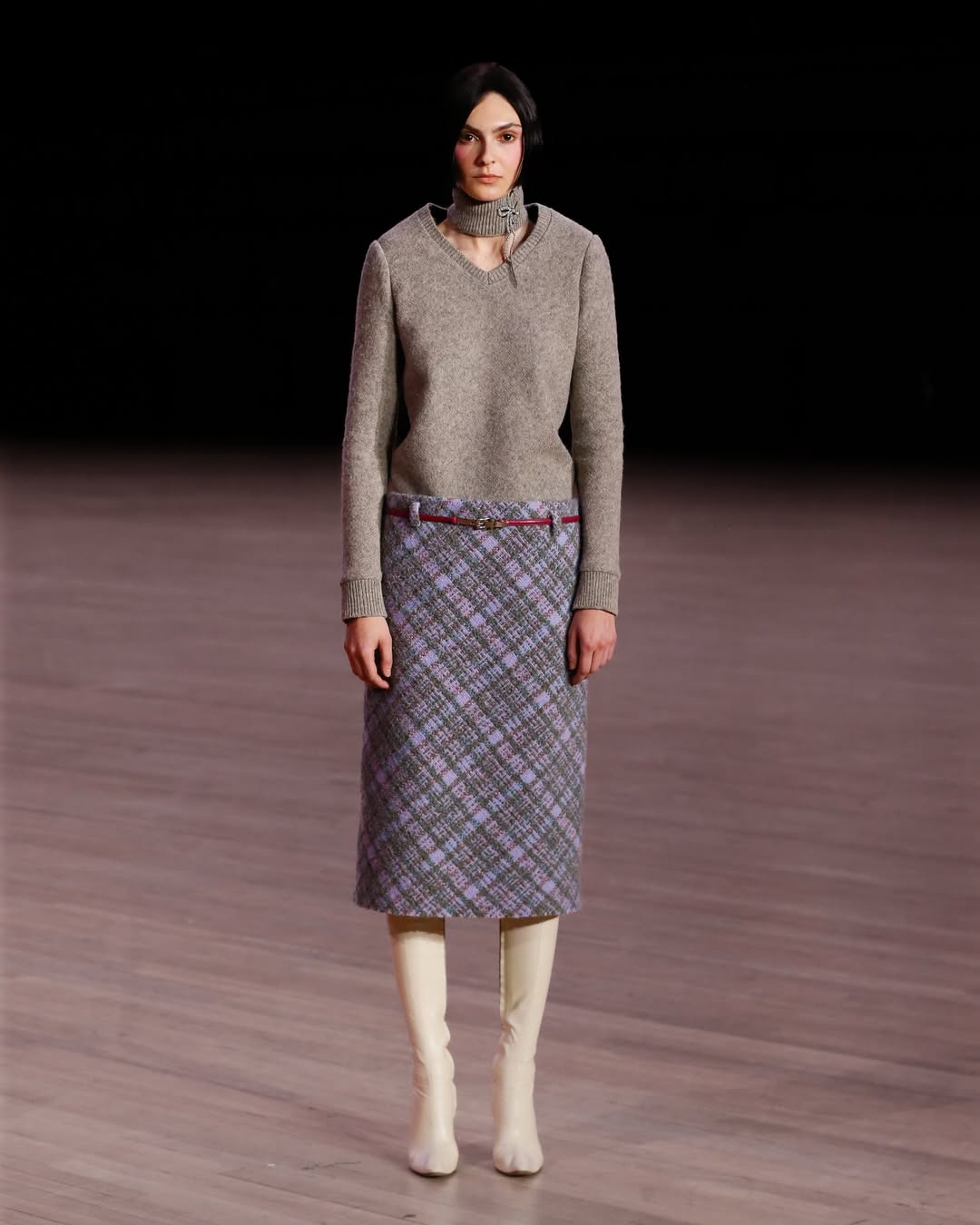
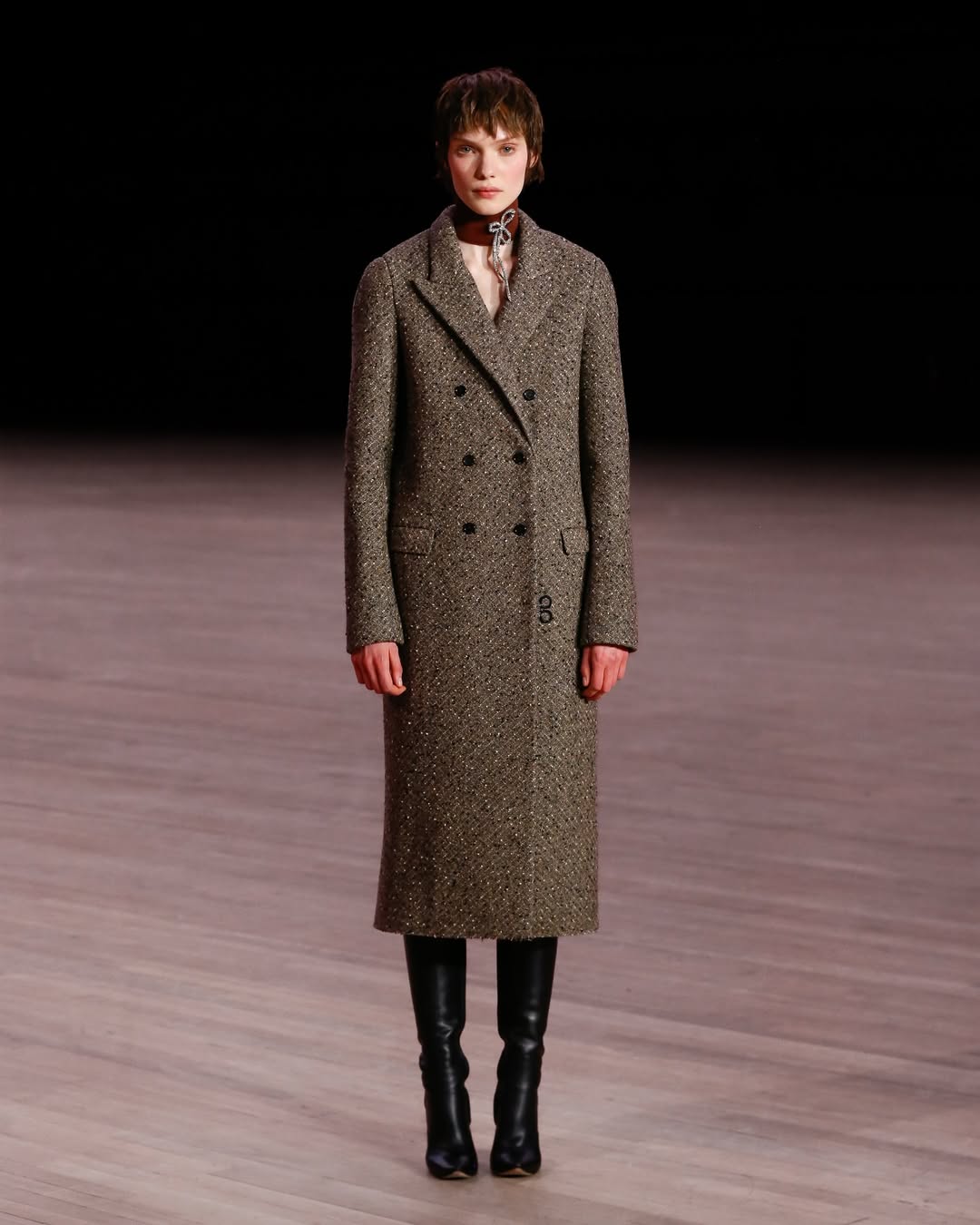
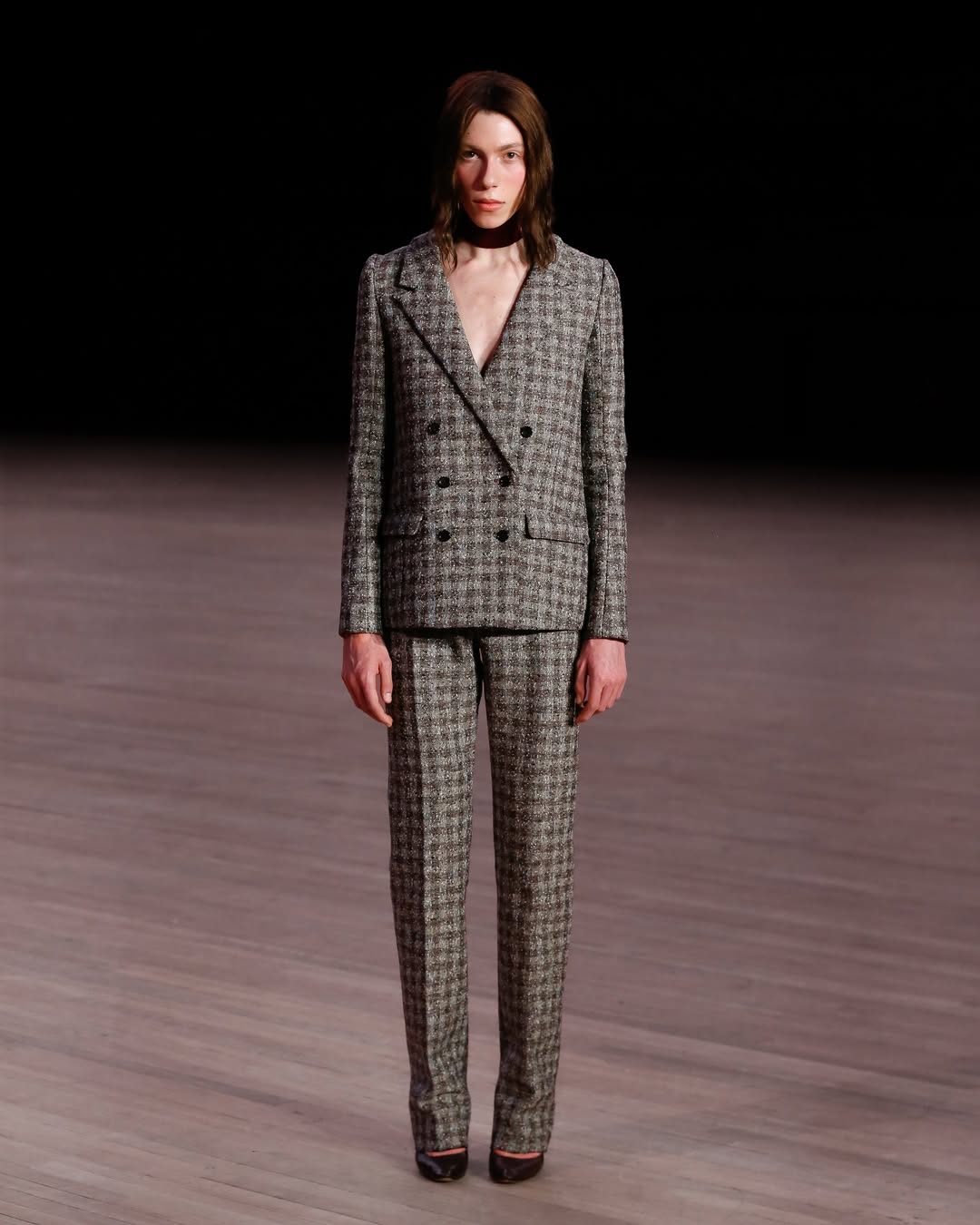
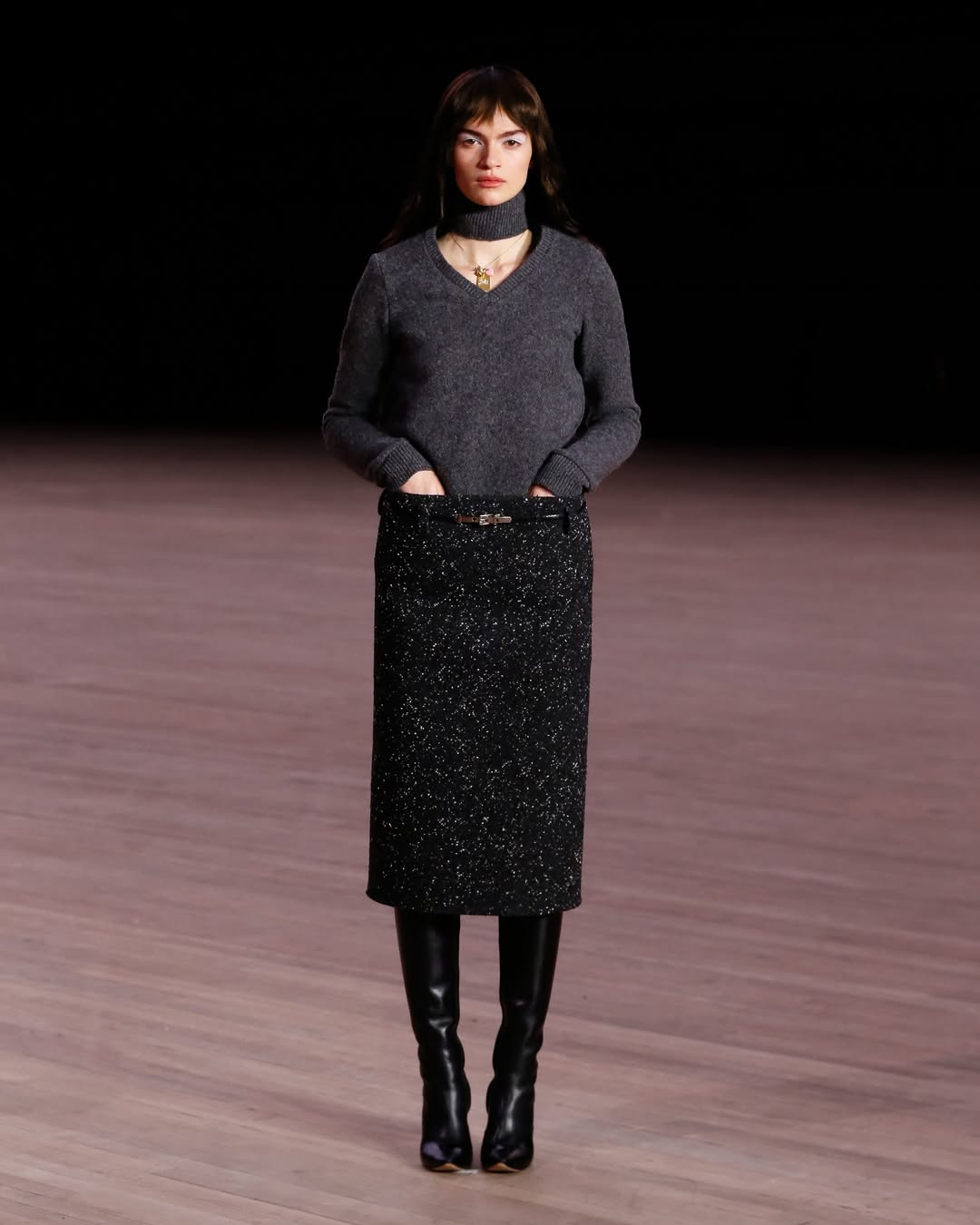
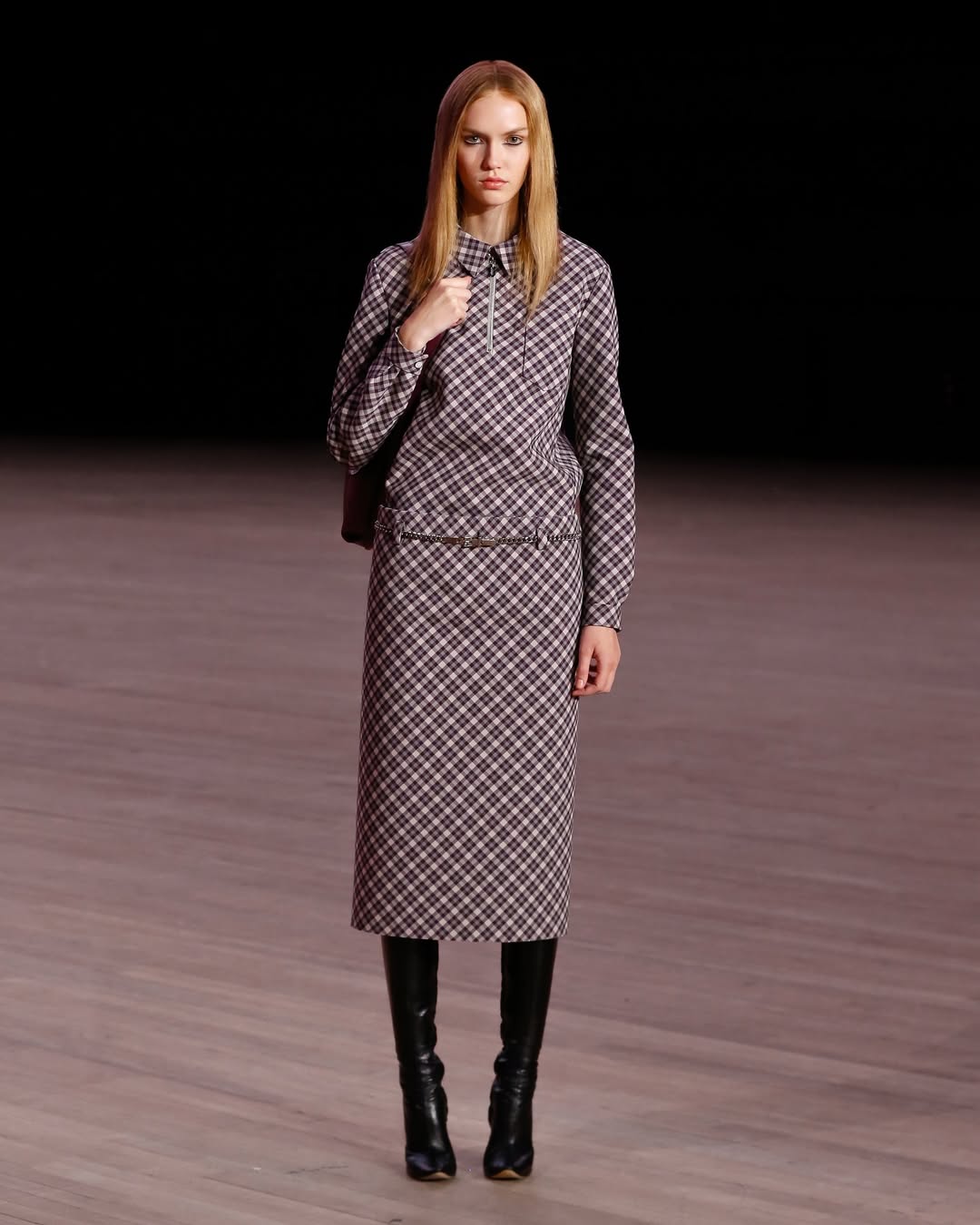
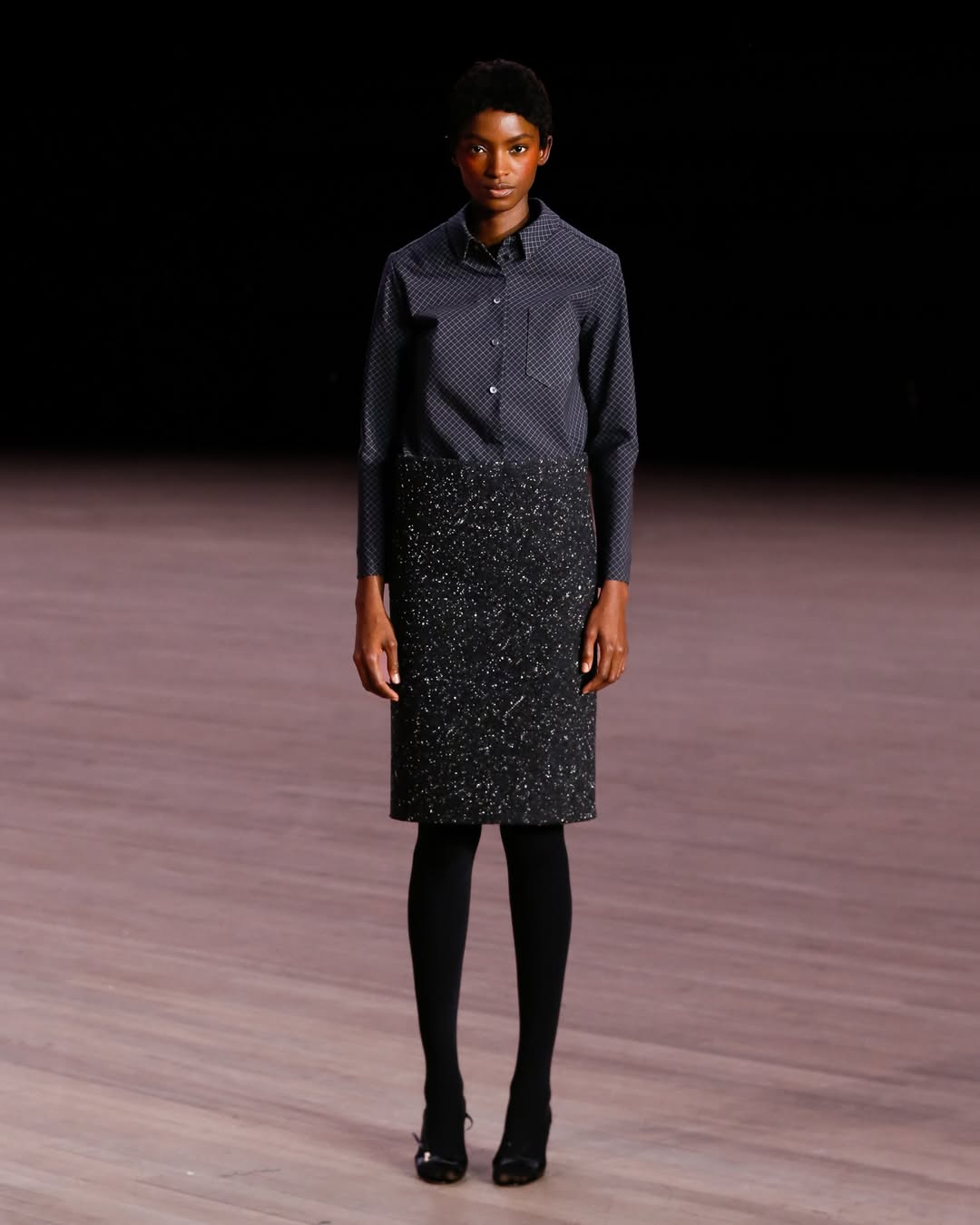
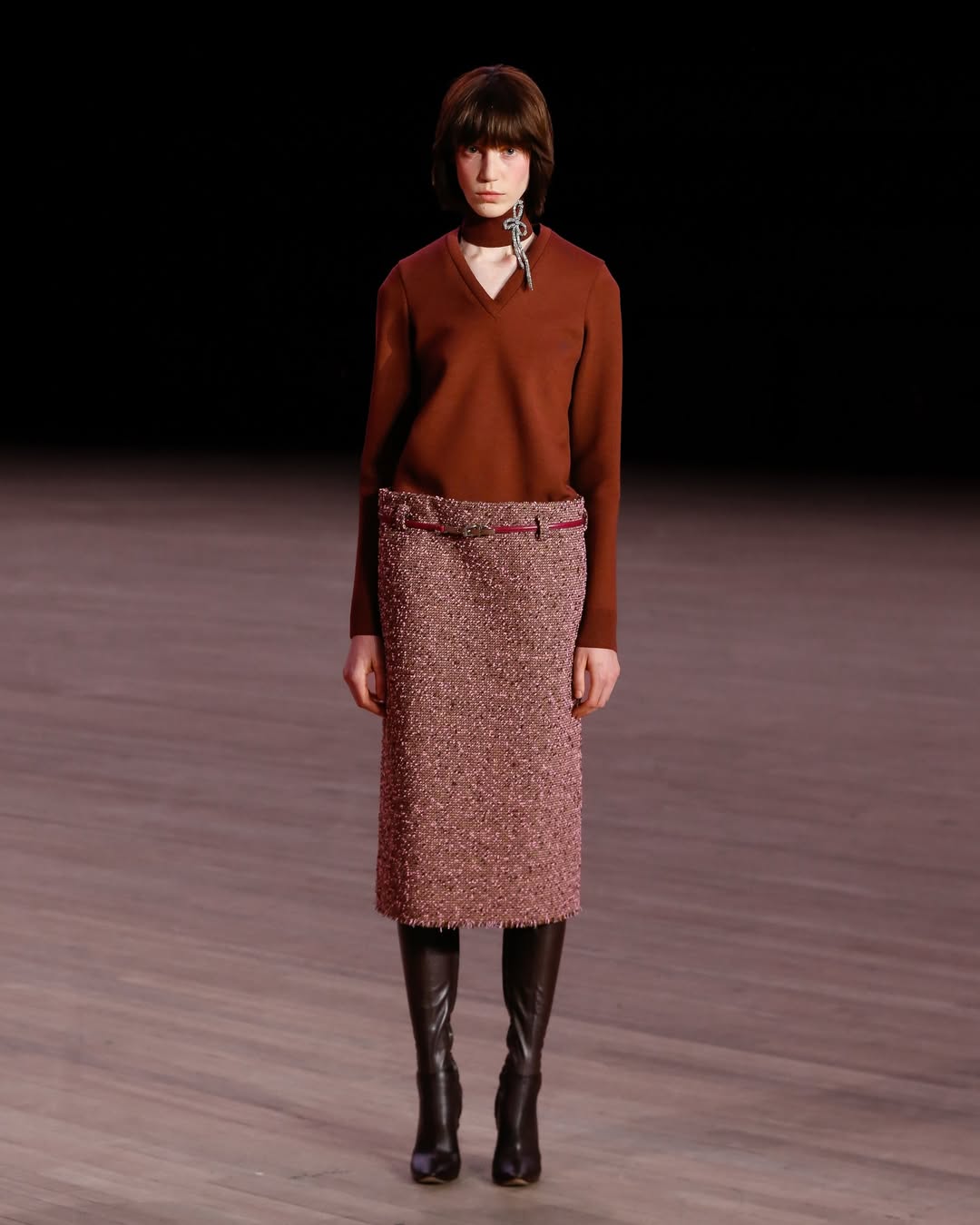
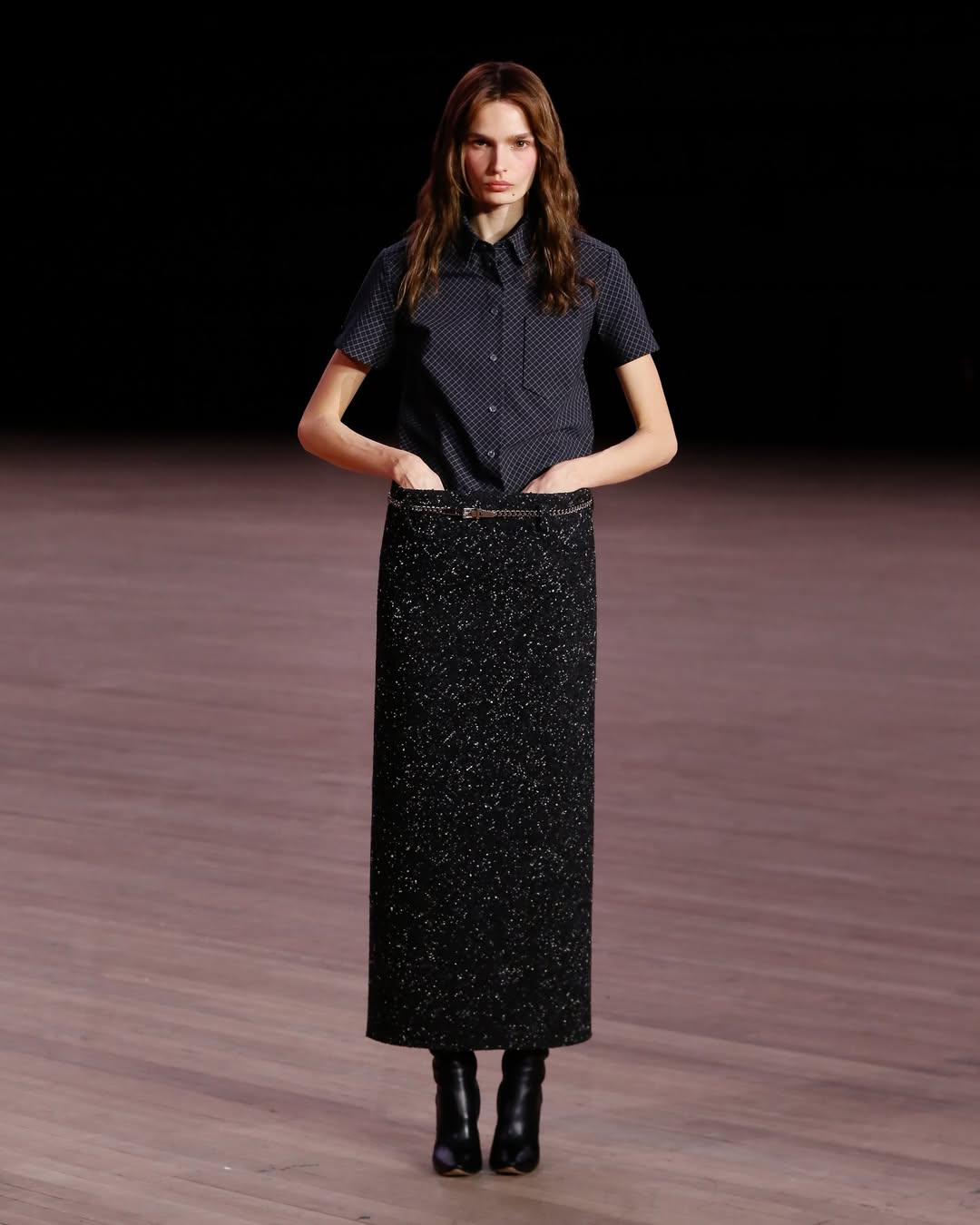
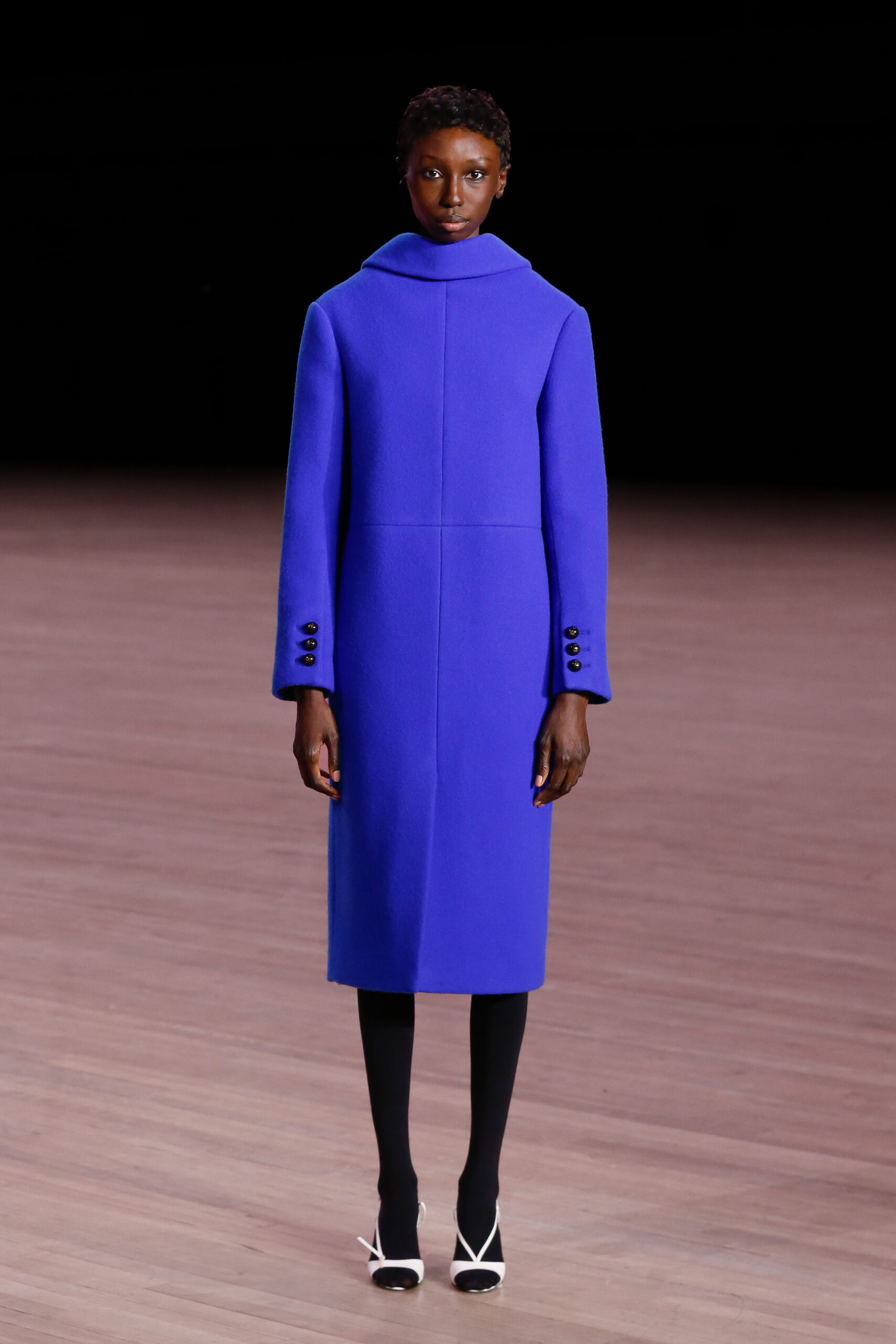
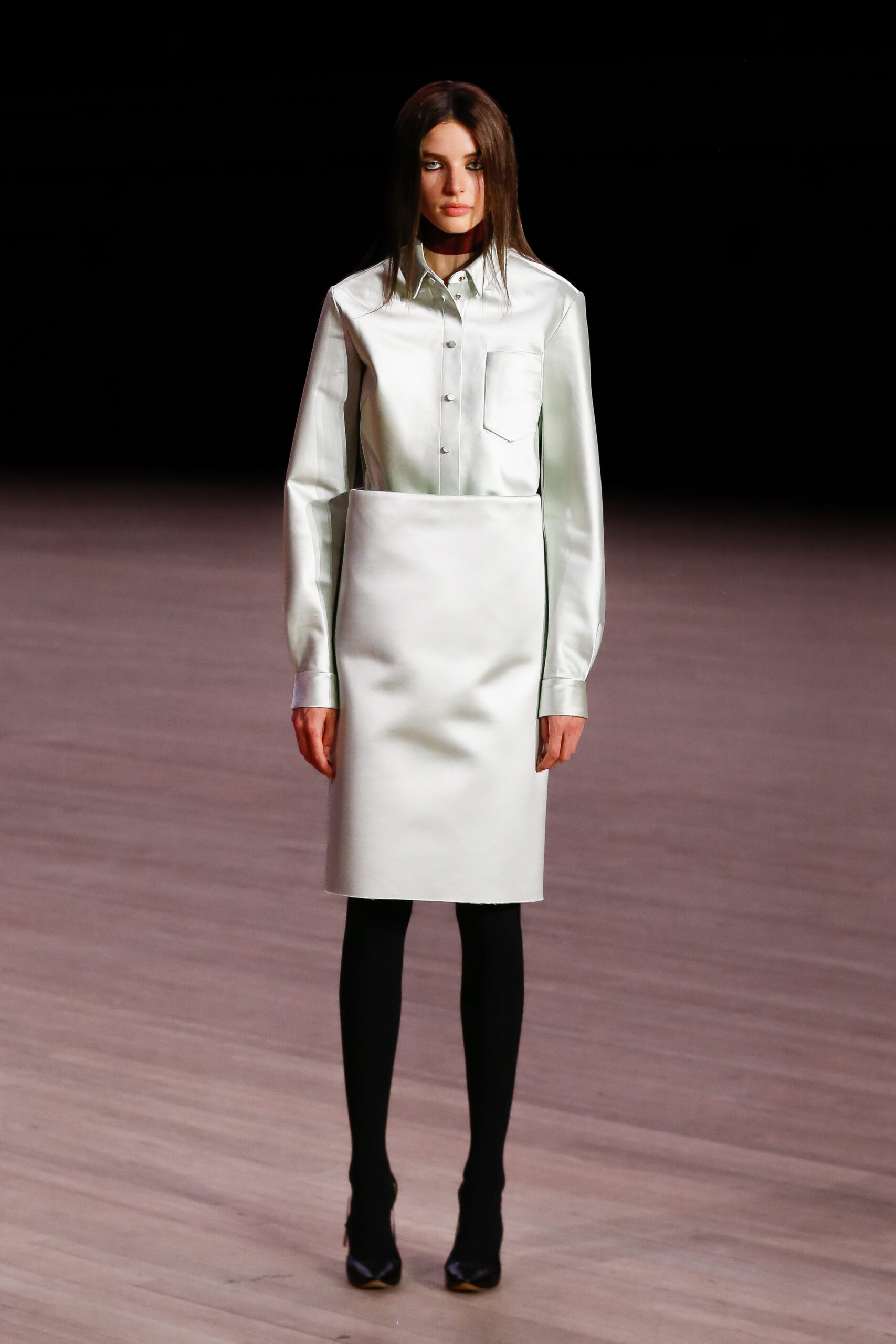
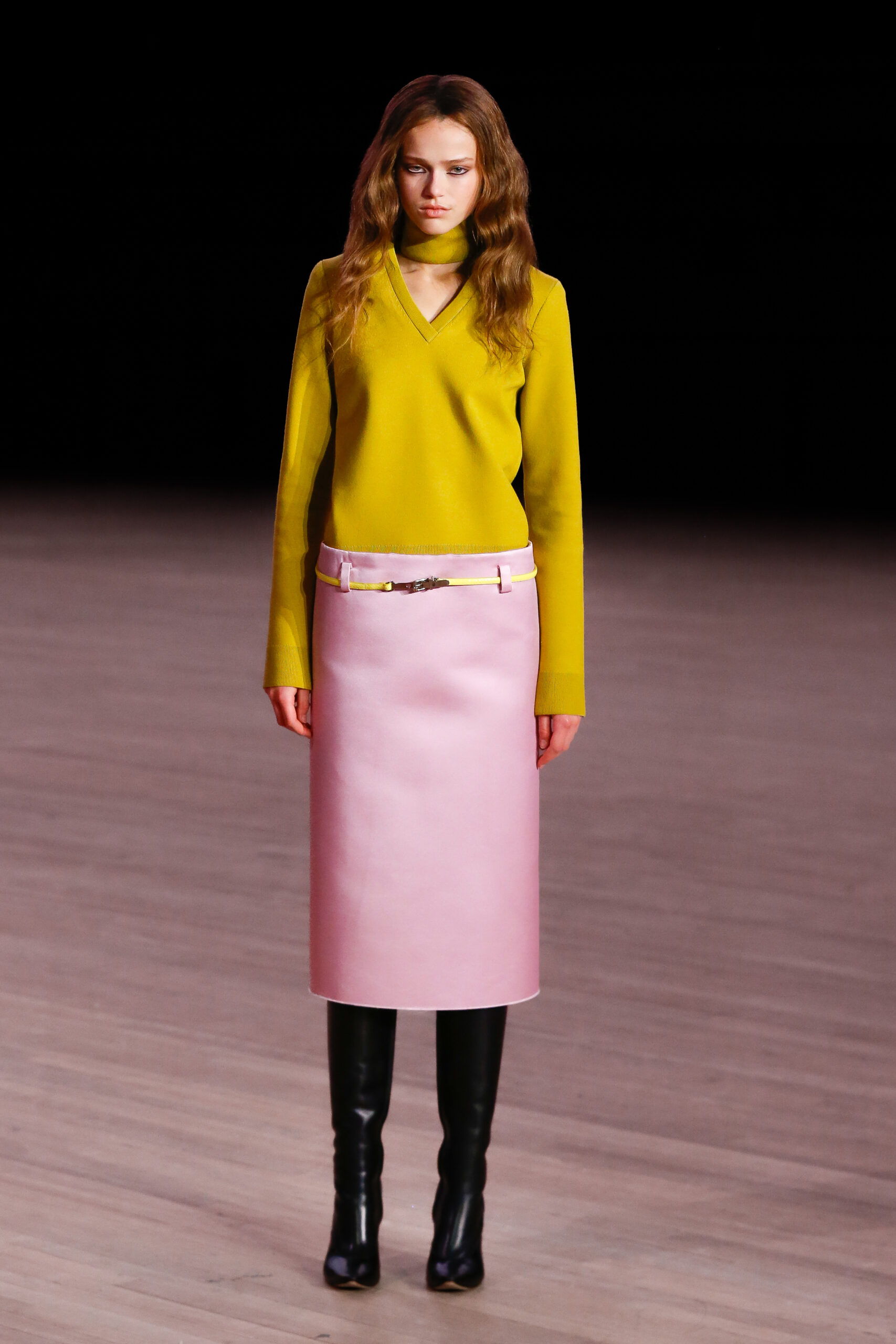
Since the New Year, people have been posting their pictures from ten years ago reminiscing about how much easier life felt back then. For those of us old enough to remember, 2016 had nothing on 1996, though. With its post-Soviet sigh-of-relief outlook, the early and mid ‘90s – when Jacobs experienced his first major success – were a lot less complicated. Not just politically, but when it came to fashion, too. On Monday evening in a vast, stripped-down Park Avenue Armory, Jacobs recaptured the minimalist mentality of that decade in a collection that seemed to strive to make us feel less overwhelmed, less oversaturated… calmer.
On Monday evening in a vast, stripped-down Park Avenue Armory, Jacobs recaptured the minimalist mentality of that decade in a collection that seemed to strive to make us feel less overwhelmed, less oversaturated… calmer.
Anders Christian Madsen
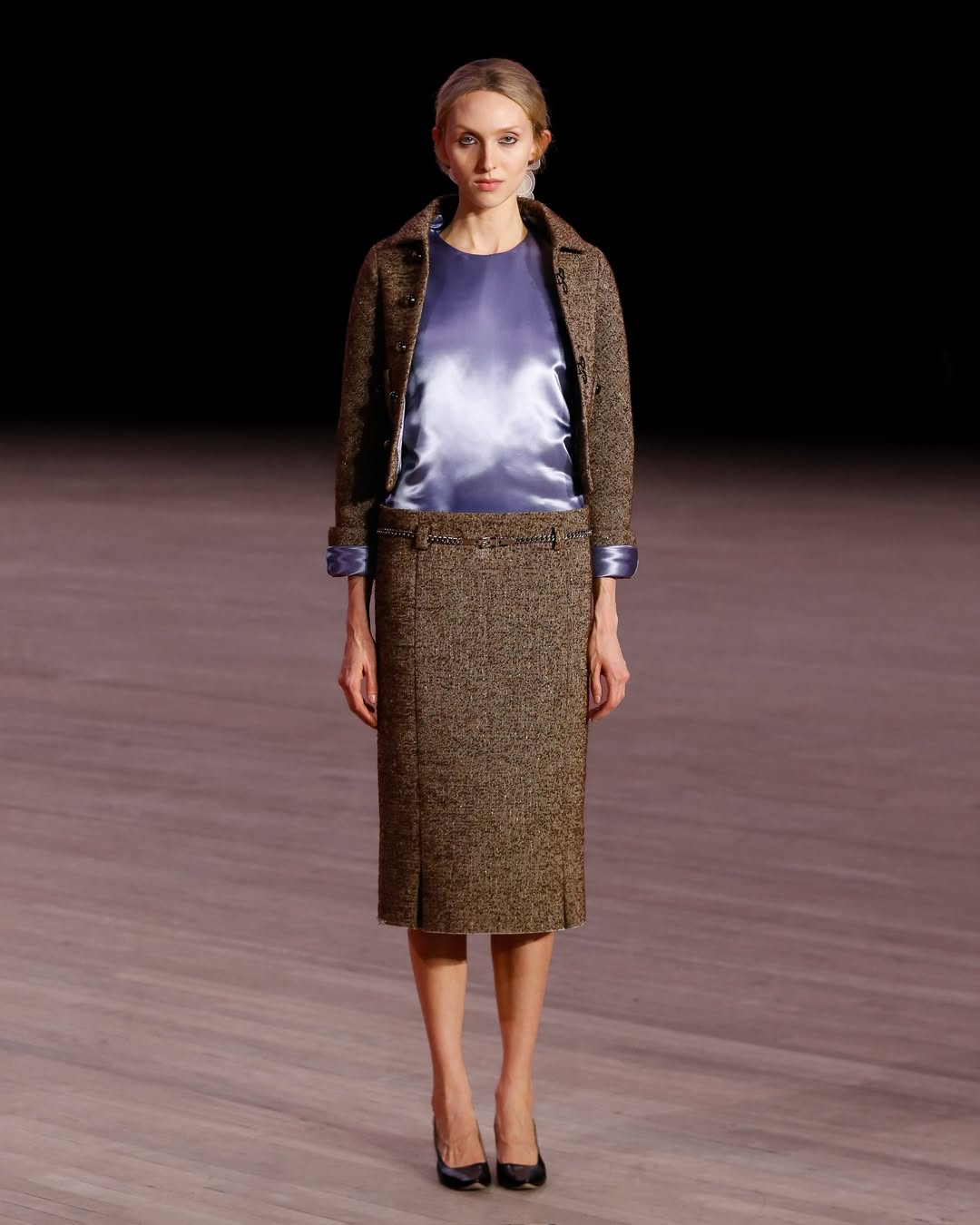
He expressed it in very real and wearable clothes, which painted a sombre contrast to the flamboyant silhouettes he’s explored in recent seasons. Even the supersized Robert Therrien table and chairs from Jacobs’s spring 2024 show had been shrunken down to real size and placed in the far corner of the Armory, with an Anna Weyant painting of a deconstructed flower pinned to a wall exhibited on the table. As a reaction to the times we live in, the drabness felt like a kind of malaise de la fin du siècle: the degeneration and desaturation that cyclically appears every one hundred years or so when we’ve overdosed on fun and fancy.
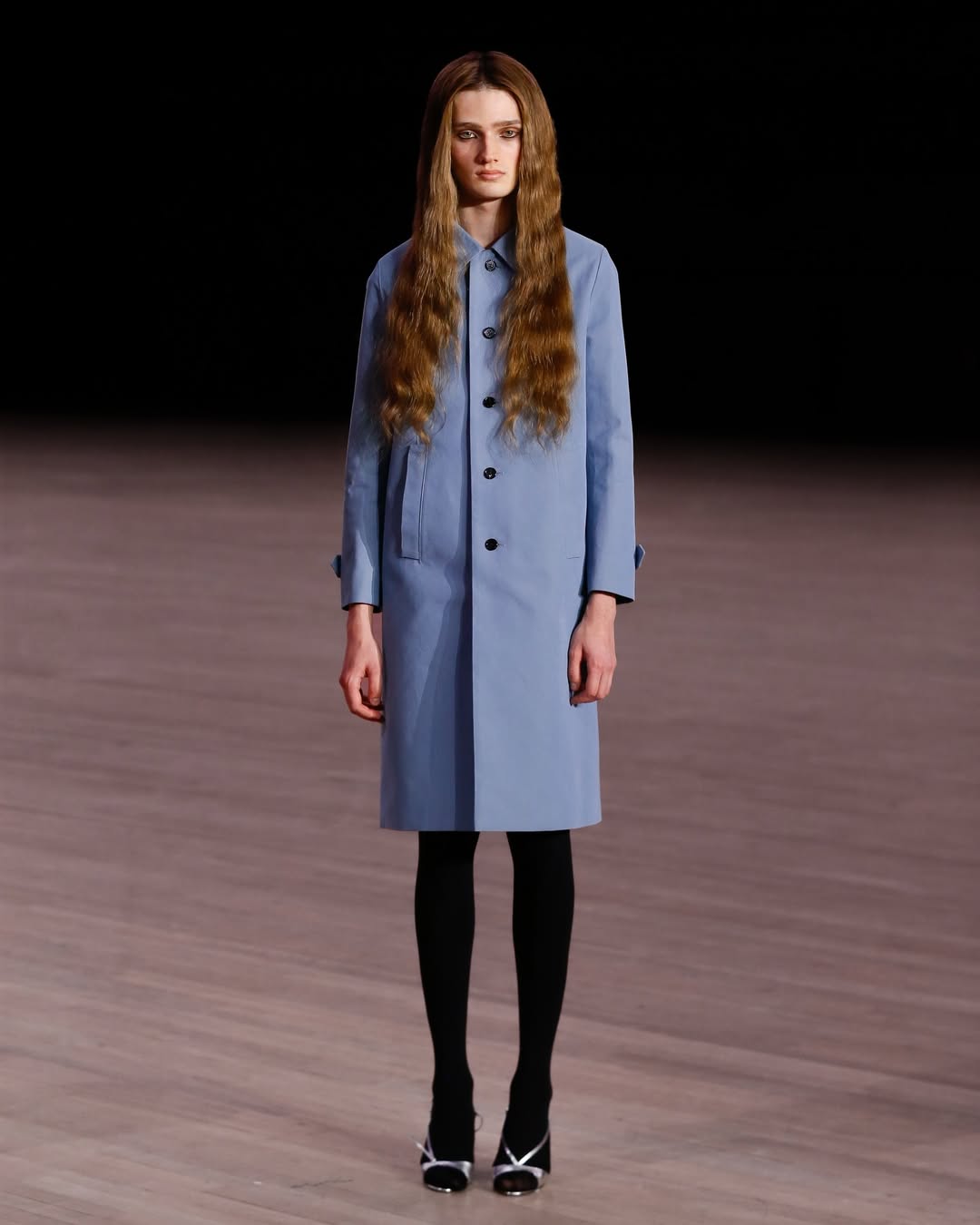
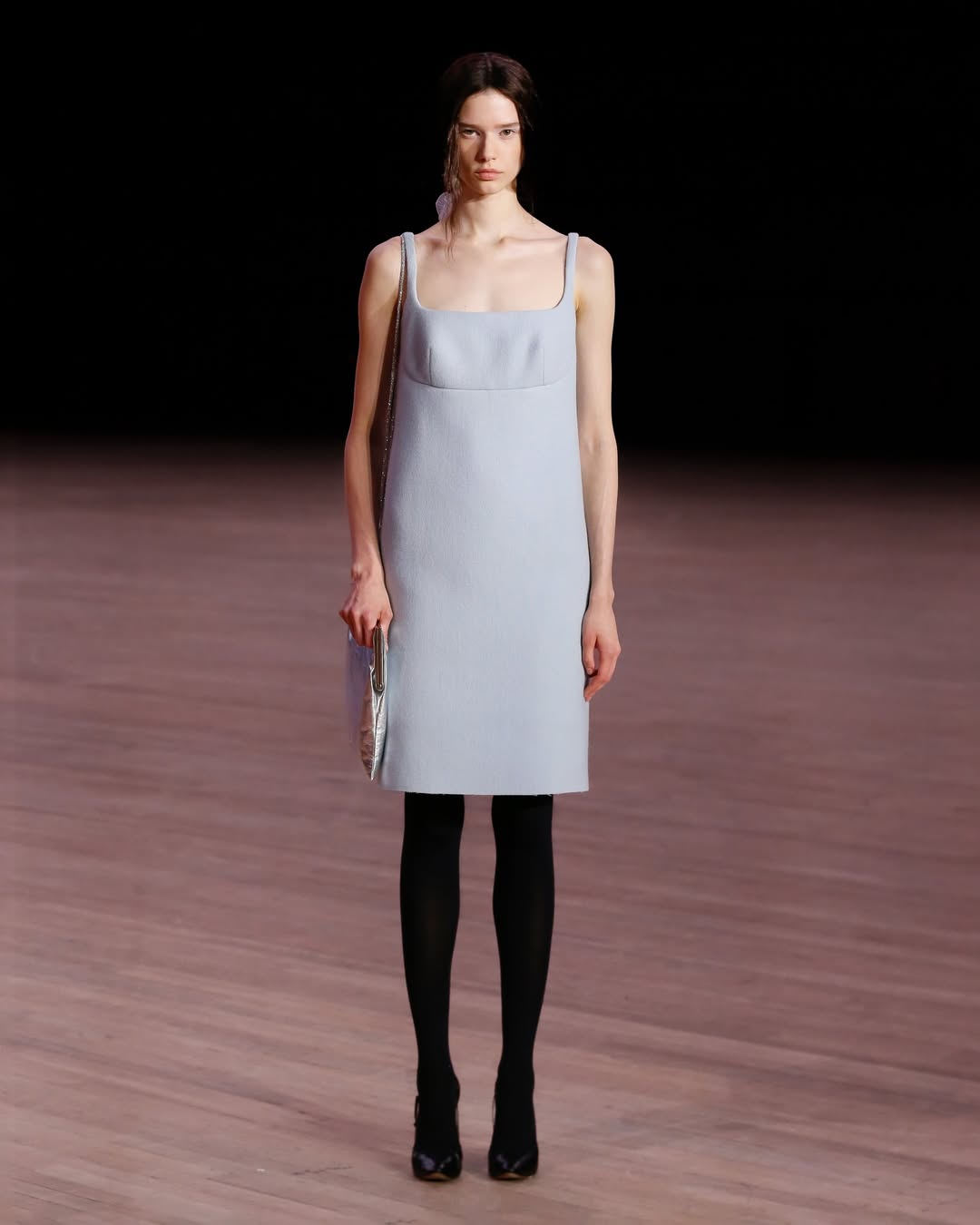
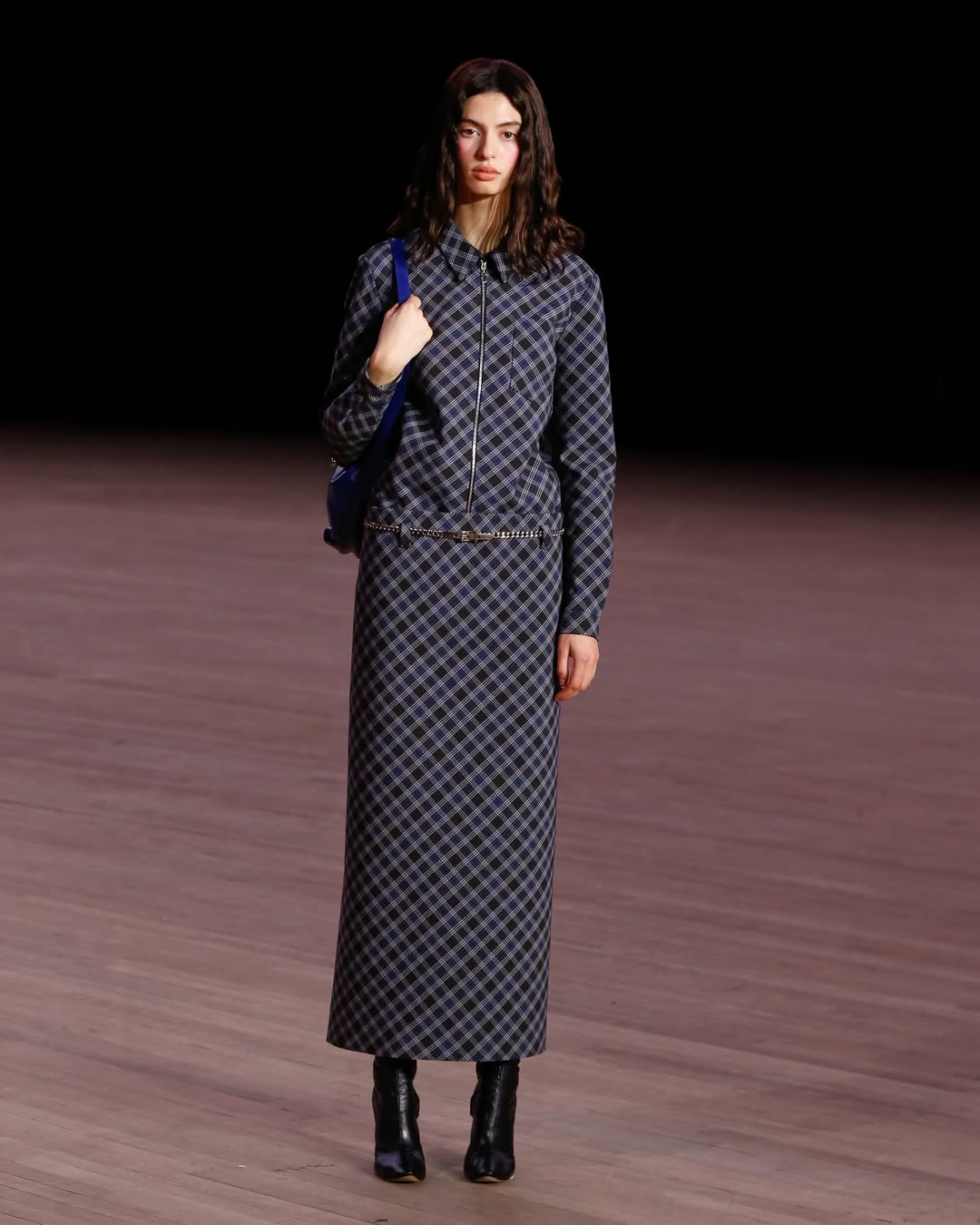
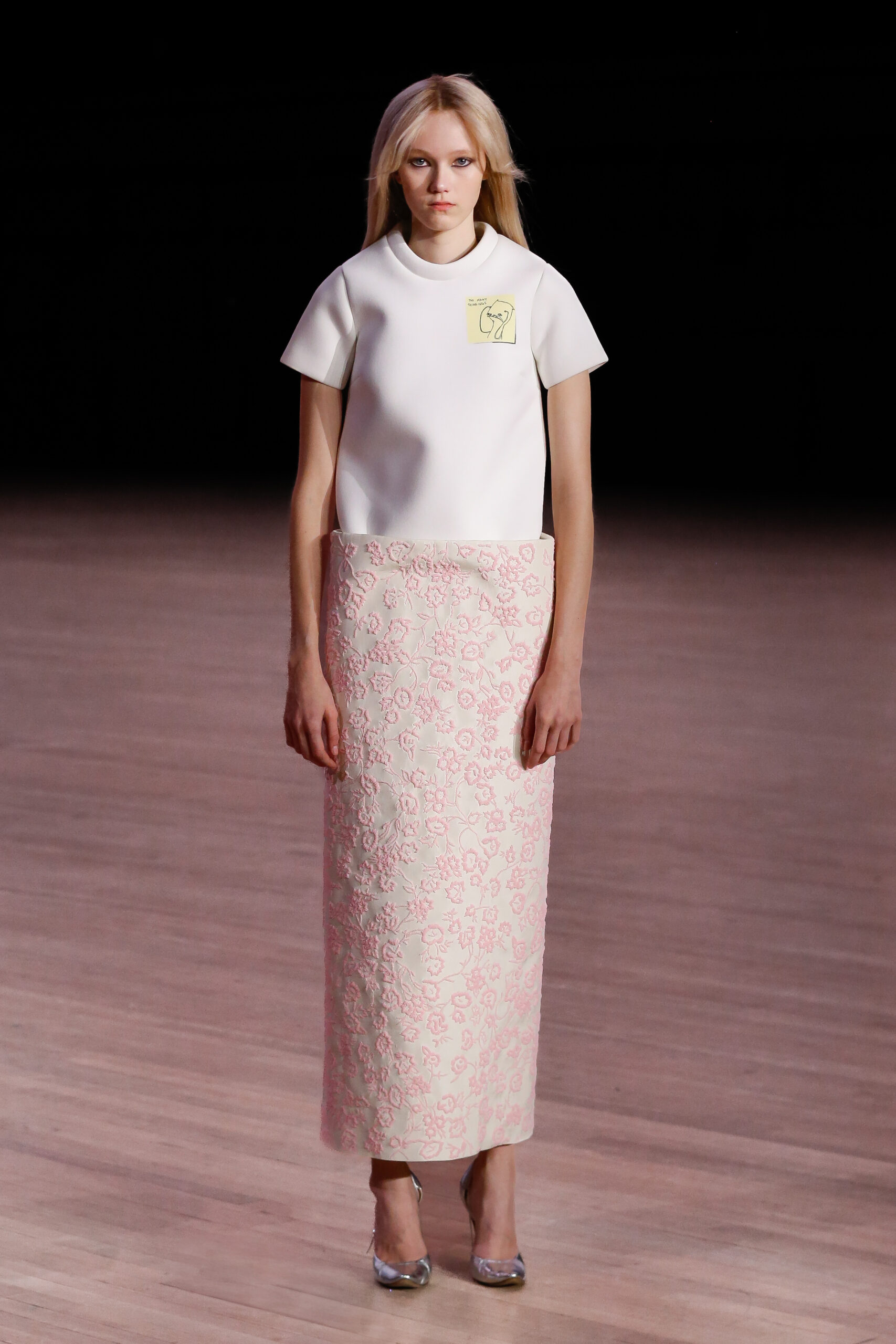
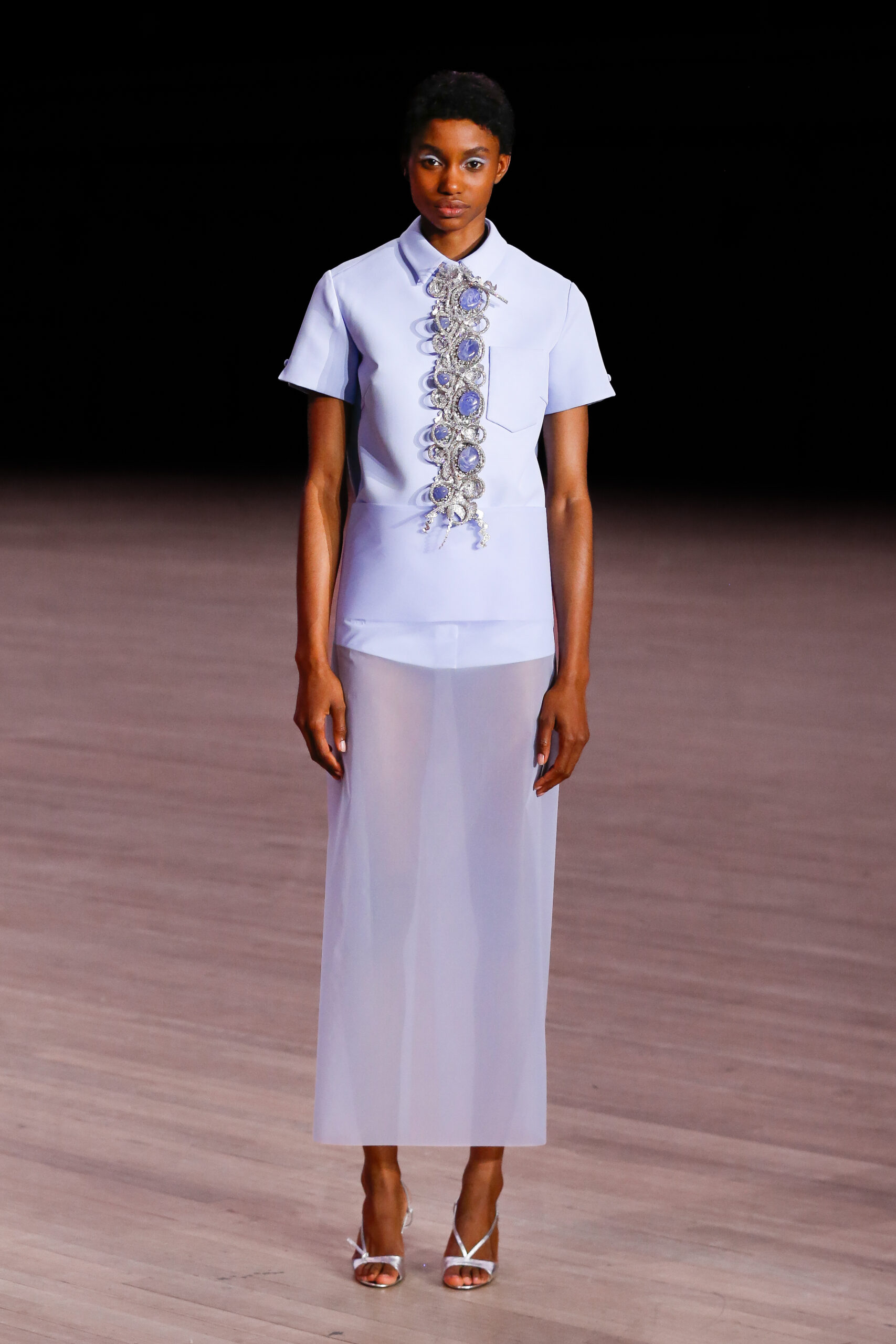
Only, those words hardly describe what fashion has been leaning towards in recent years. The grey-scaled minimalism known as “quiet luxury” has more or less ruled the fashion arena of the 2020s, so in some ways, Jacobs’ reality wardrobe simply brought things to a new level of realness. That’s not to say that escapism and bold, pure creativity are always the way to deal with societal misery. The minimalism of the 1990s was also a reaction to the excess and resourceful self-expression of the 1980s – itself partly an answer to that decade’s destitution – and maybe that’s what feels good to us now, again; what feels safe in times of excessive uncertainty.
The second album is the hardest. Get ready for fashion’s sophomore season The second album is the hardest. Get ready for fashion’s sophomore season
The second album is the hardest. Get ready for fashion’s sophomore season
Inside Alessandro Michele’s voyeuristic vision for Valentino Couture Inside Alessandro Michele’s voyeuristic vision for Valentino Couture
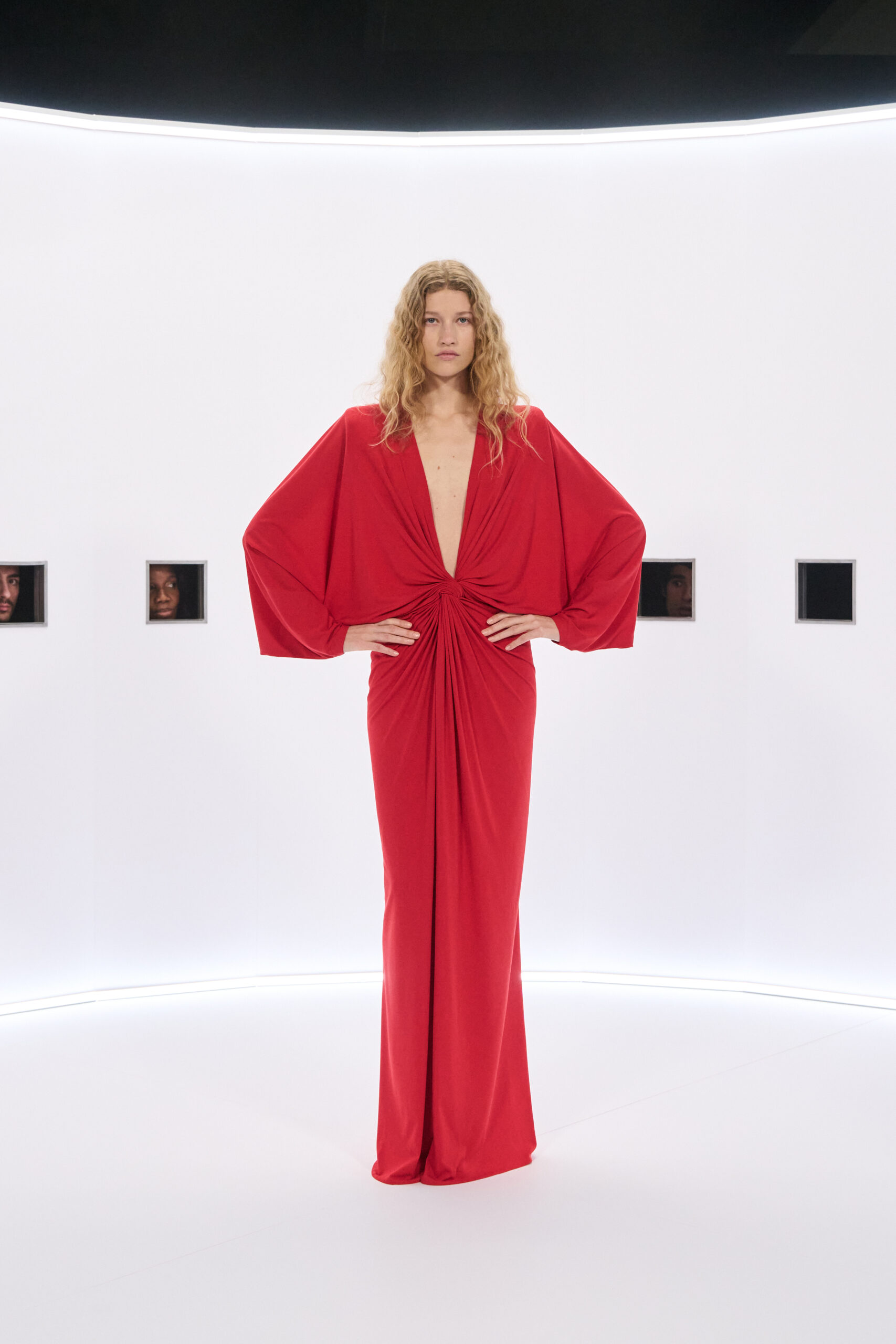
Inside Alessandro Michele’s voyeuristic vision for Valentino Couture
The King and I: In memory of the late Giorgio Armani The King and I: In memory of the late Giorgio Armani
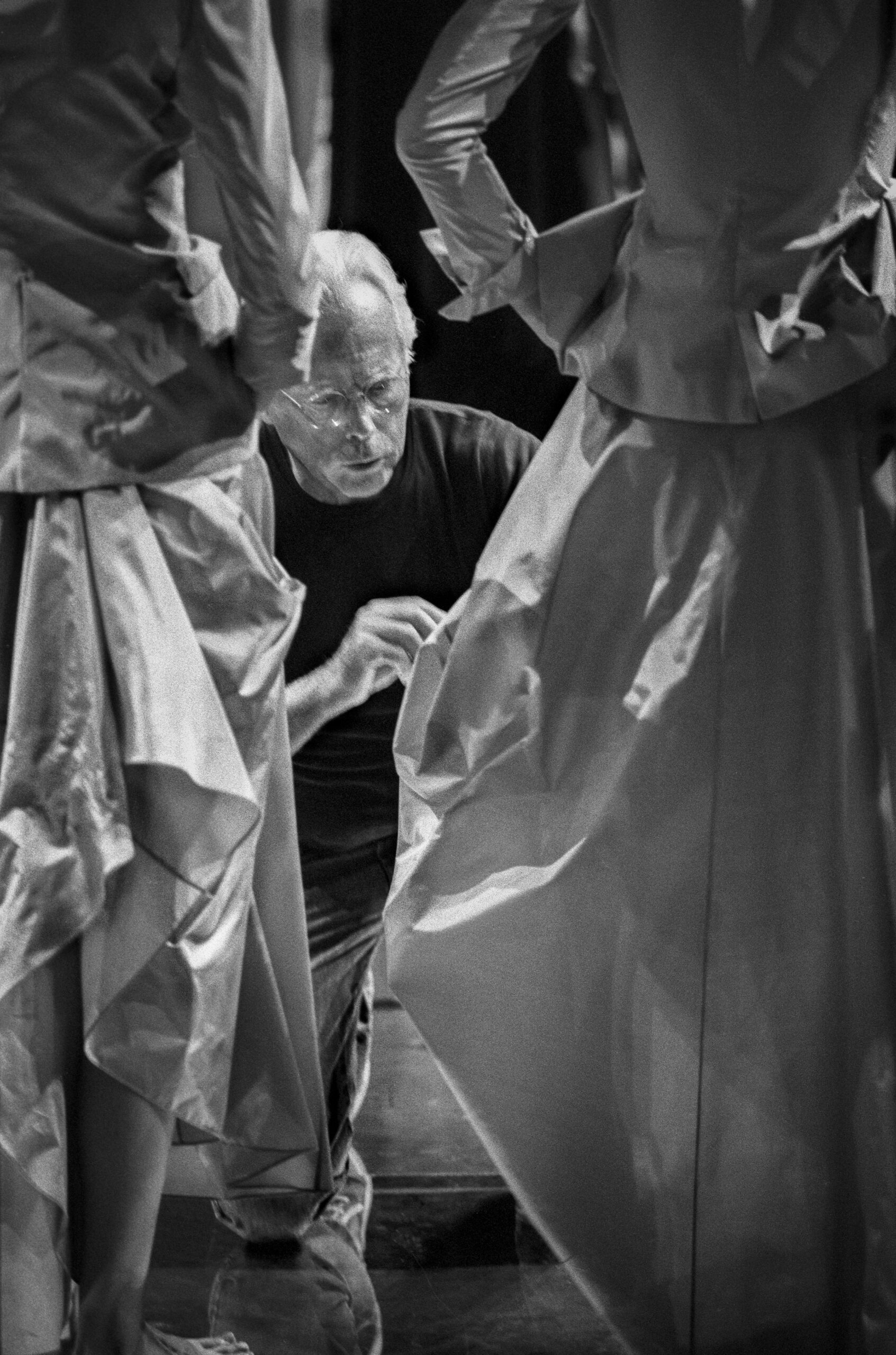
The King and I: In memory of the late Giorgio Armani
Boys ‘N’ Bags Boys ‘N’ Bags
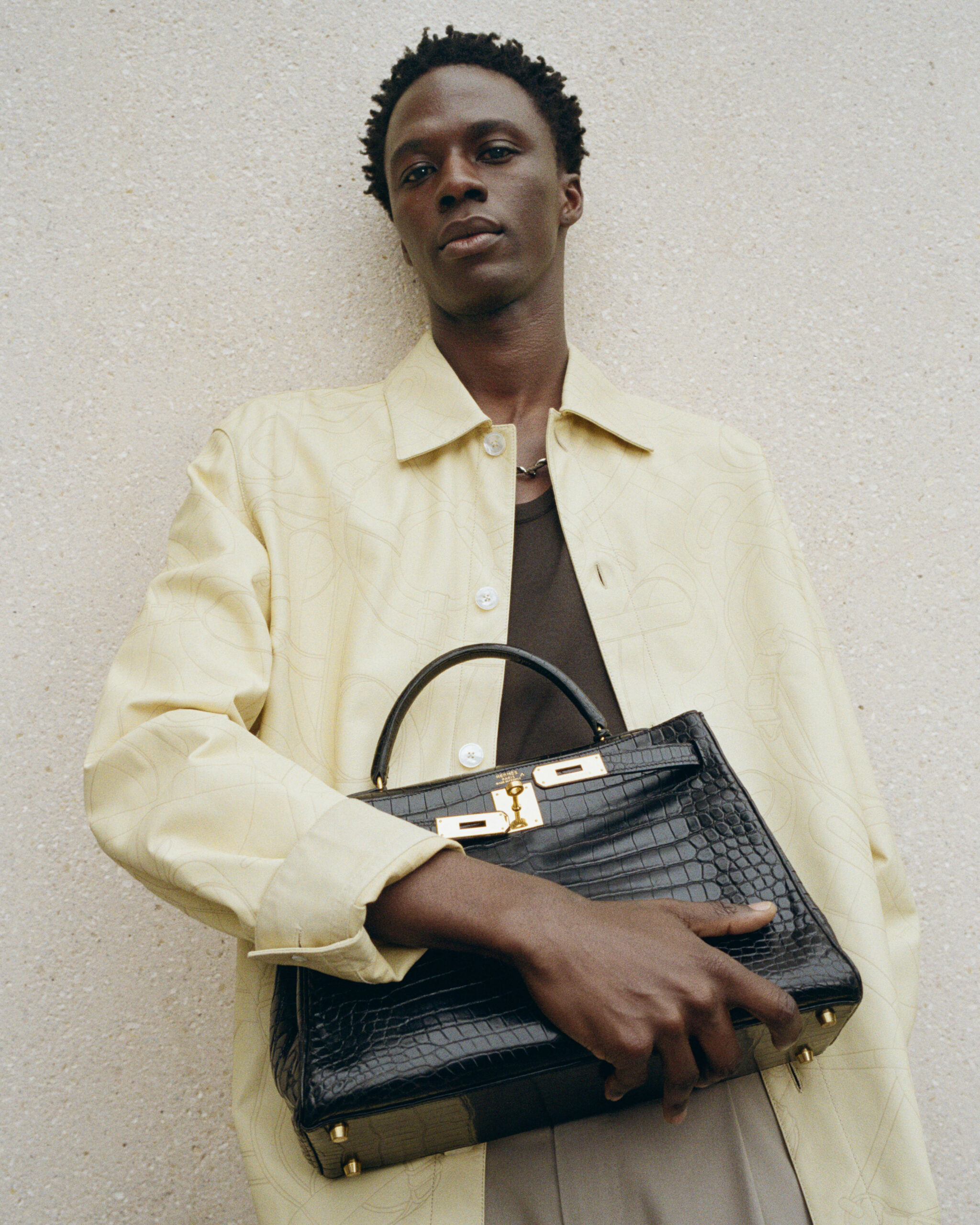
Boys ‘N’ Bags
Meet Nina Christen, the footwear designer behind a decade of viral fashion moments Meet Nina Christen, the footwear designer behind a decade of viral fashion moments
Meet Nina Christen, the footwear designer behind a decade of viral fashion moments
Hoyeon Jung looks to the future Hoyeon Jung looks to the future
Hoyeon Jung looks to the future
“Connecting with humanity is the most radical act”: Pierpaolo Piccioli on his debut collection for Balenciaga “Connecting with humanity is the most radical act”: Pierpaolo Piccioli on his debut collection for Balenciaga

“Connecting with humanity is the most radical act”: Pierpaolo Piccioli on his debut collection for Balenciaga
A tribute to British beauty, style and rebellion A tribute to British beauty, style and rebellion