“A meditative approach to what’s happening today”: Tory Burch’s twisted familiarity
Backstage, after her spring/summer 26 show at Sotheby’s at the Breuer, Tory Burch spoke about dressing as a kind of soothing mechanism in troubling times.
“When the world is so frenetic and chaotic and sad,” Tory Burch said, you want to swathe yourself in something that feels familiar. On CNN hours before her spring/summer 26 show, the socio-political angst that now frames the daily lives of many Americans and their allies continued to reach new unsettling heights, as the country’s Attorney General participated in a congressional hearing where she casually called Democrats names like “you washed-up loser.” It’s a new normal that still feels unbelievable; that makes you feel helpless.
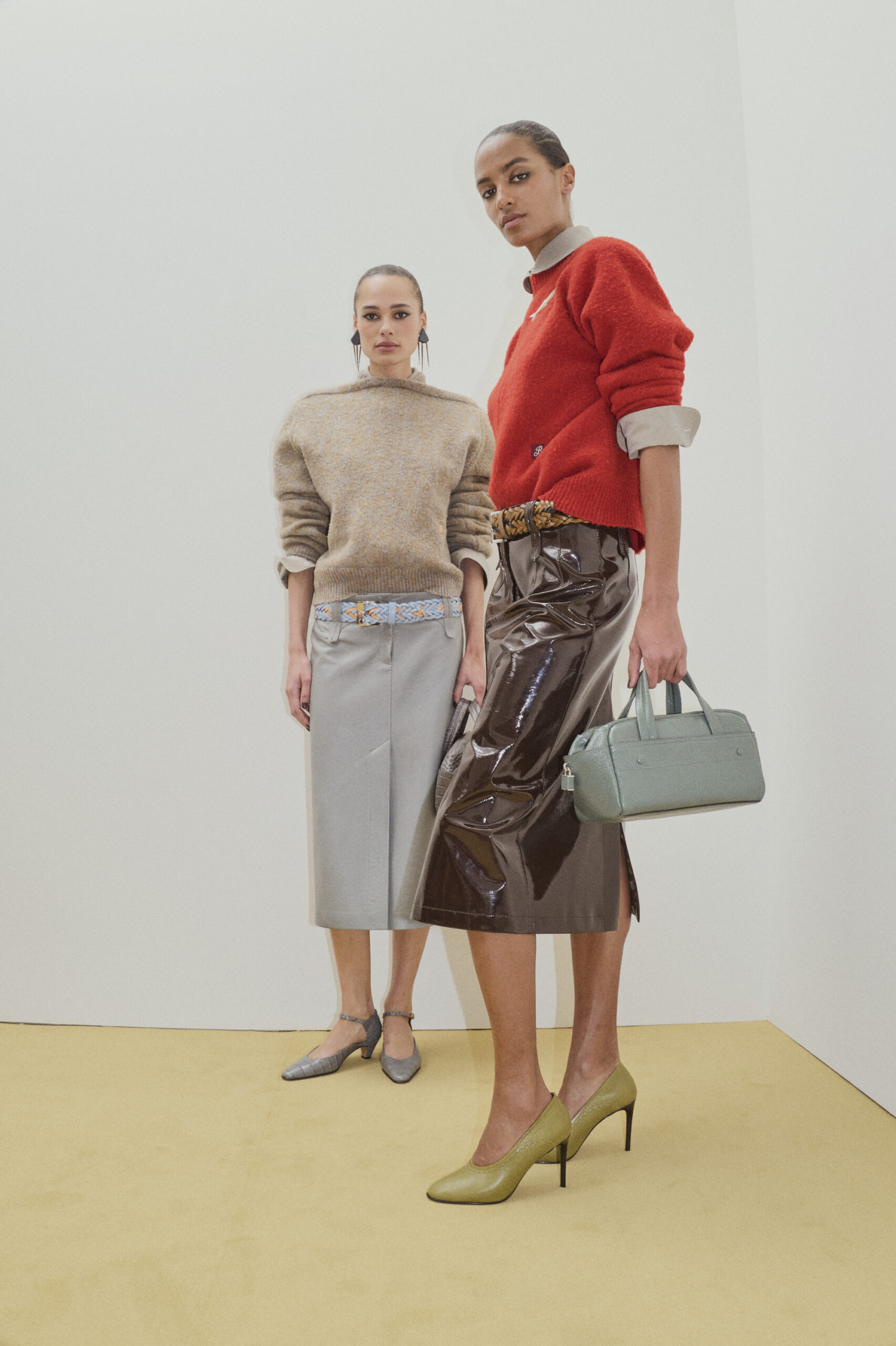
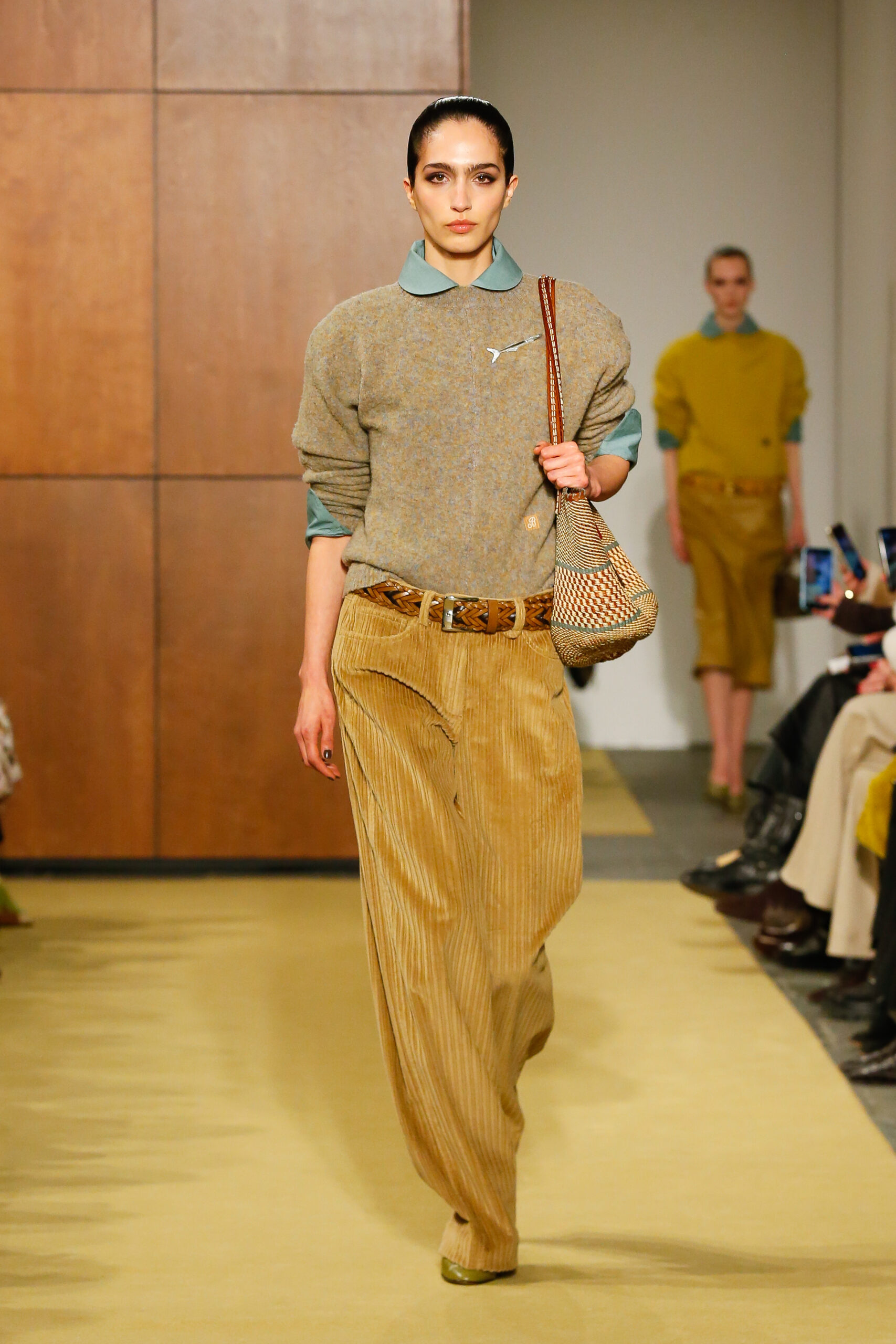
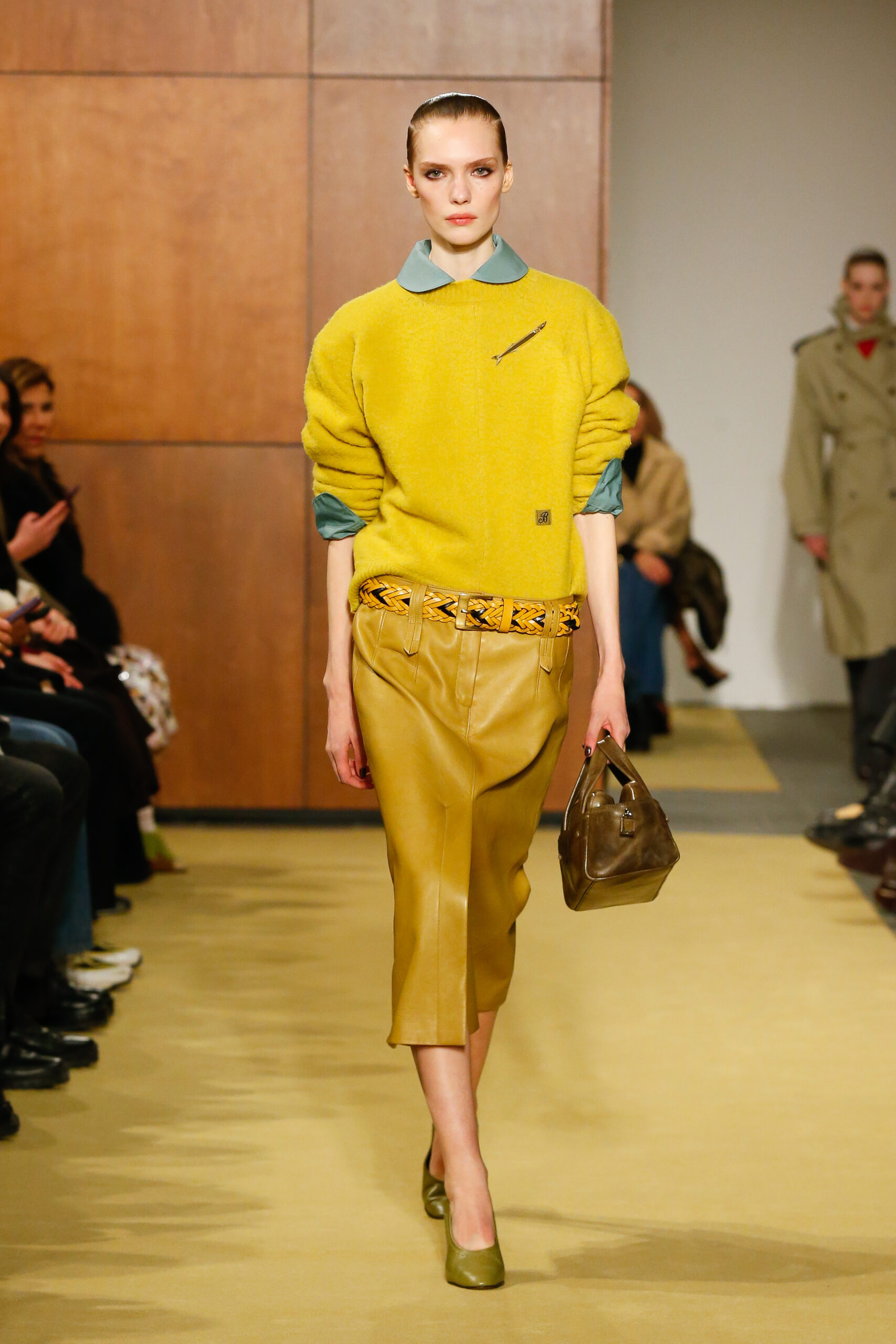
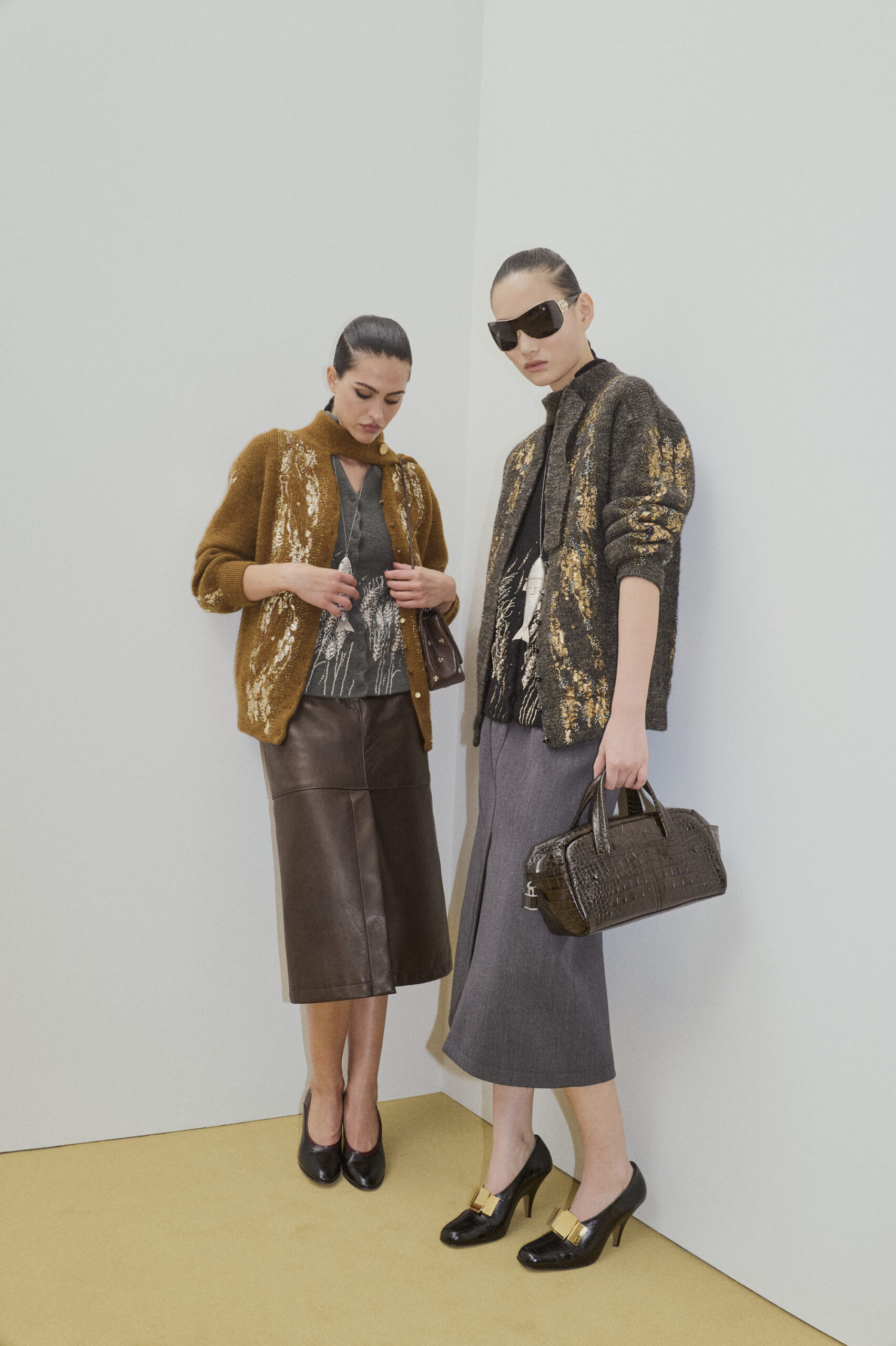
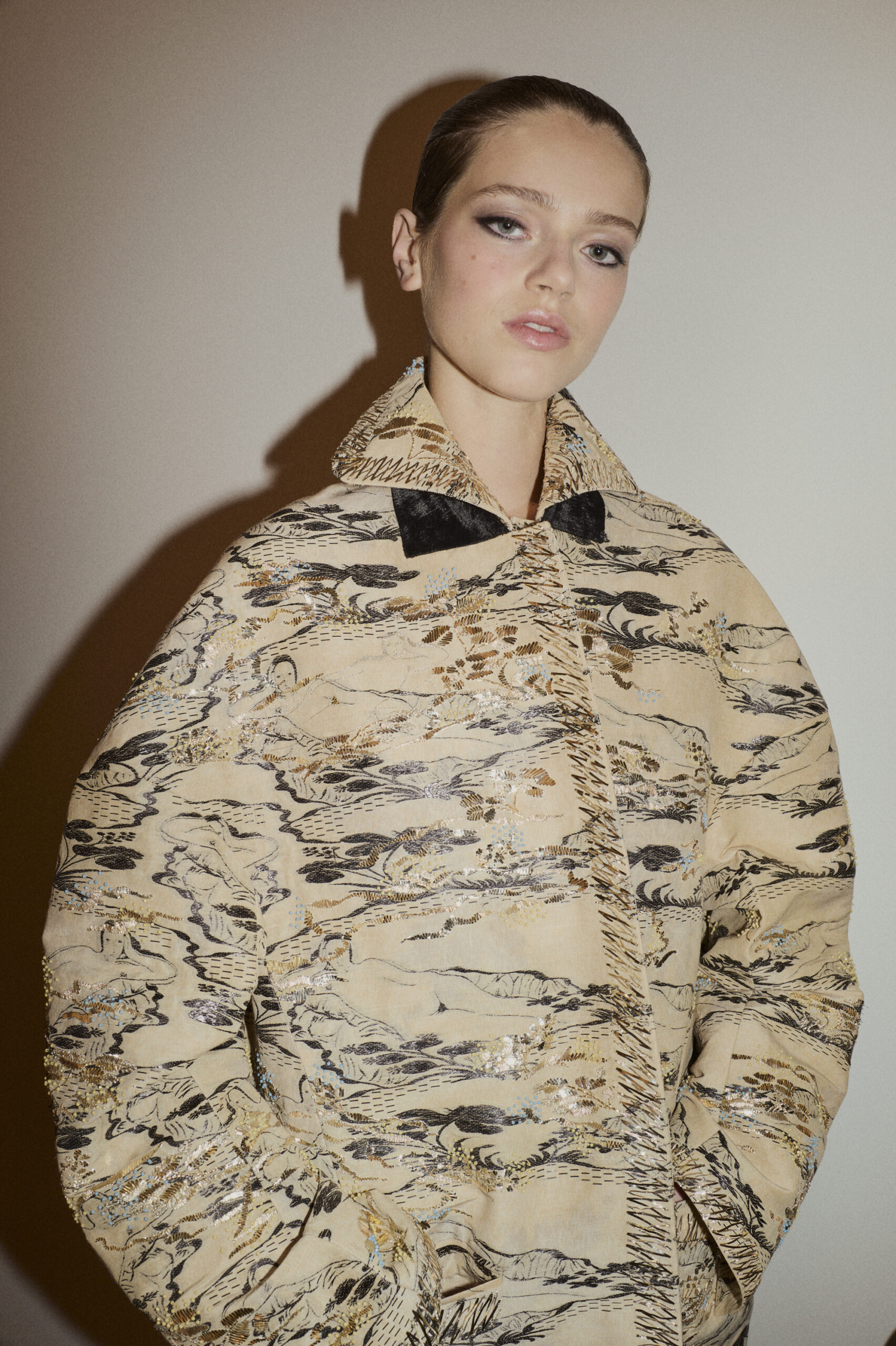
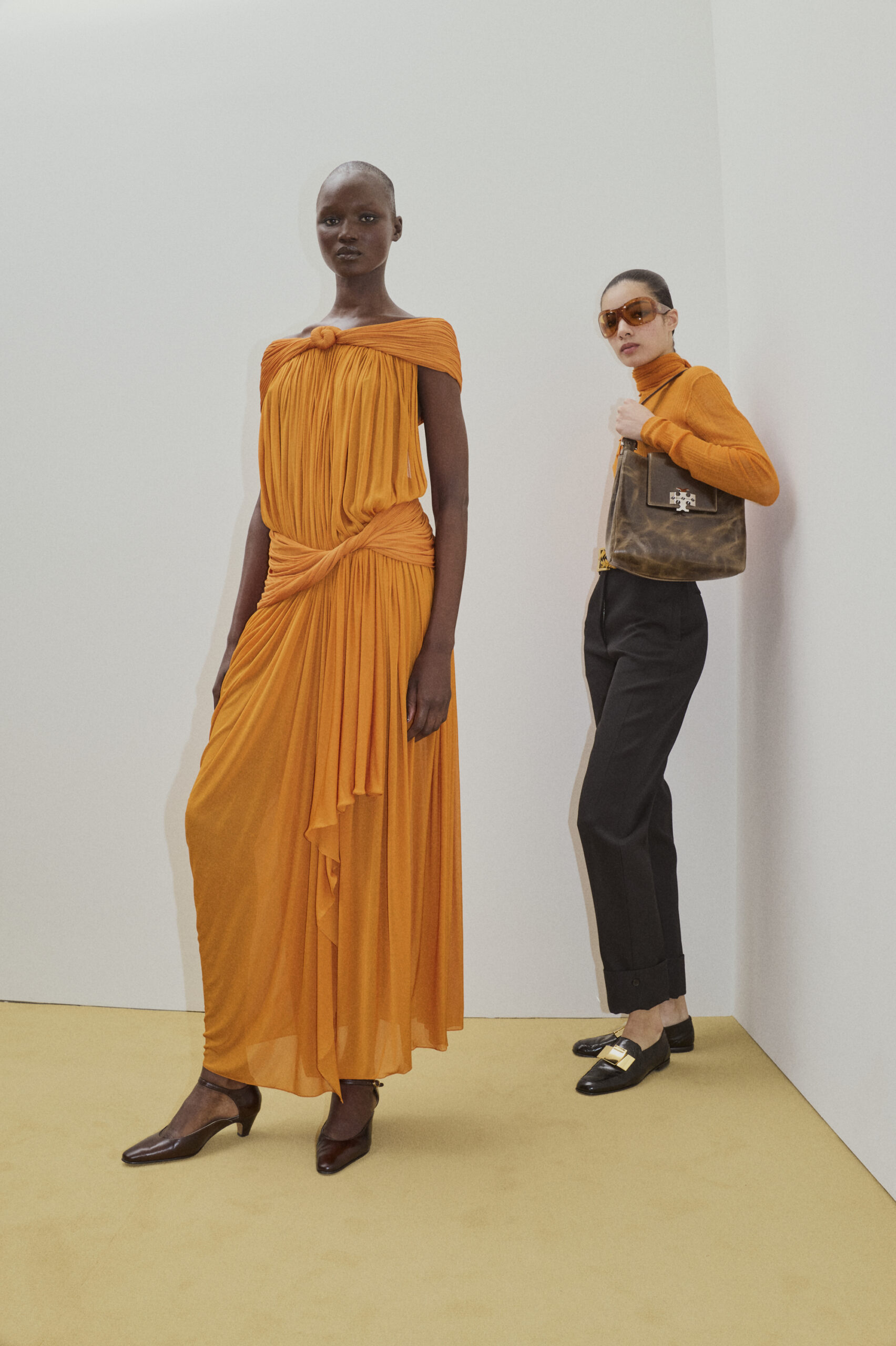
In reaction to this kind of madness, Burch looked to the wardrobe classics that make you feel safe: the trench coat, the Henley top, the boatneck sweater, the pencil skirt. Her collection carried memories of her father’s corduroy trousers, of the fish pendants her parents used to wear on necklaces, and the dressing sensibility of the horticulturalist Bunny Mellon, whose house in Antigua now belongs to Burch. A new bag, the Bunny Knot, was named after her. Burch took these timeless staples and imbued them with enough intrigue to make them feel interesting. “I wanted it to be a bit familiar but twist it enough where it’s eccentric and weird,” she said. “It was a meditative approach to what’s happening today.”
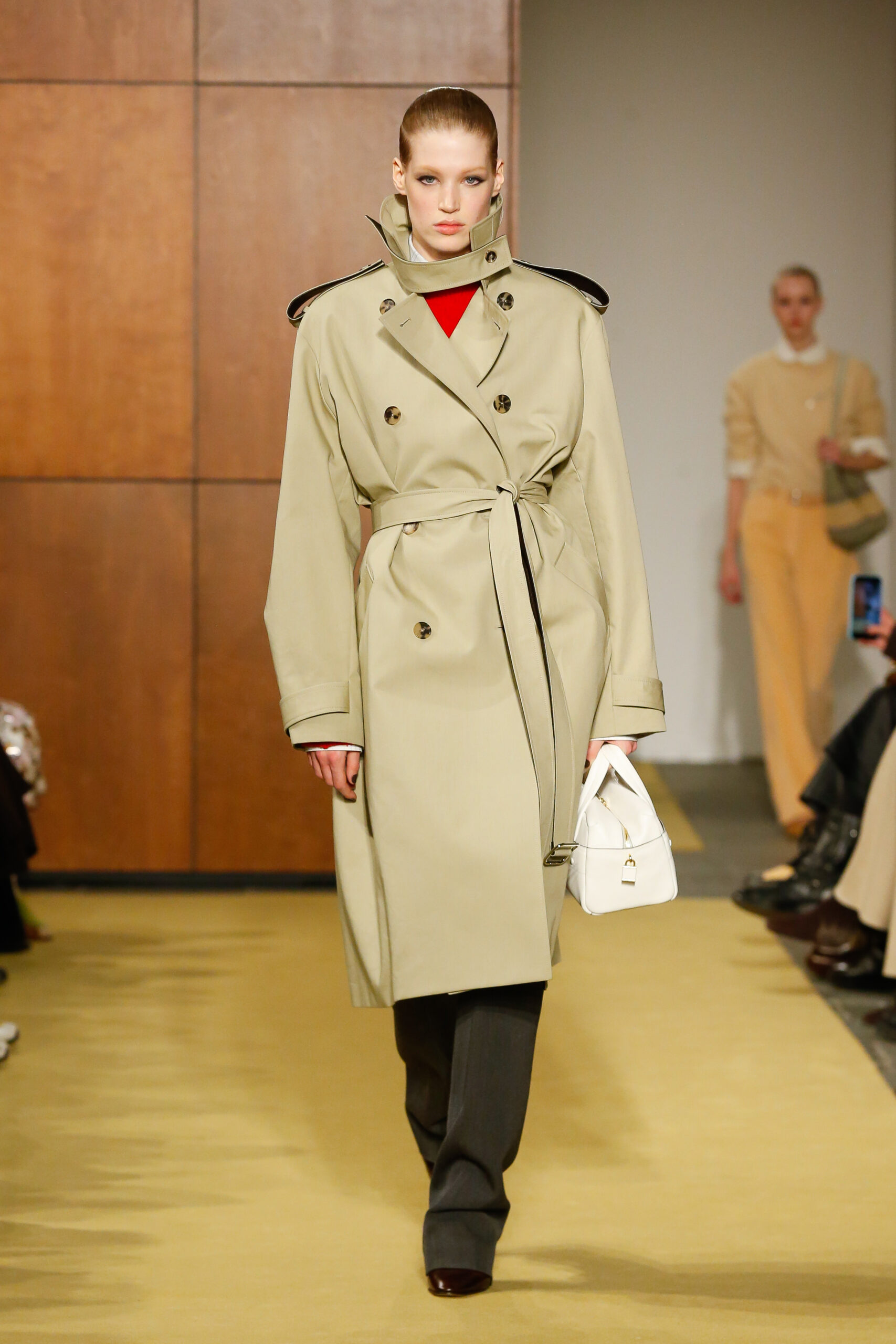
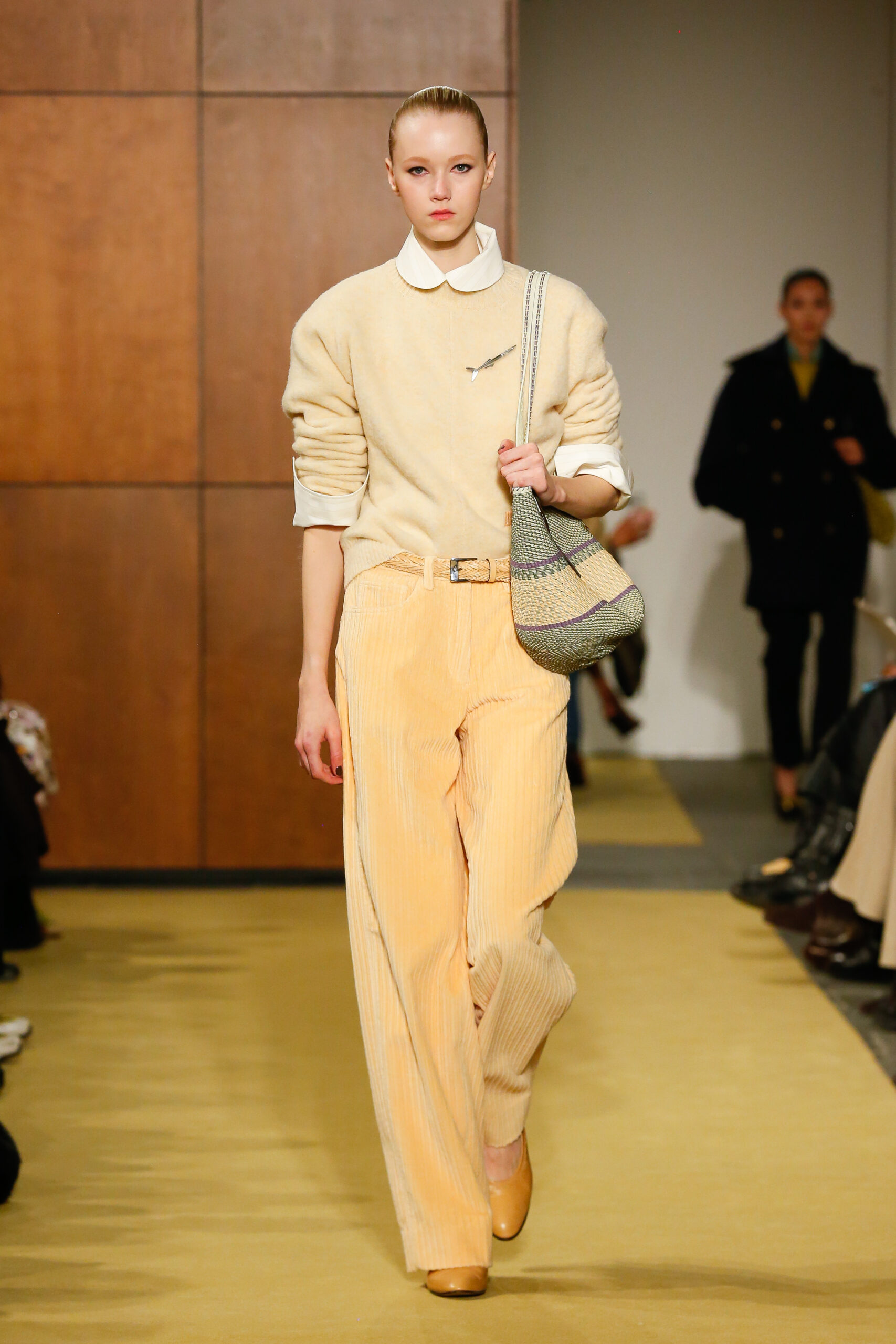
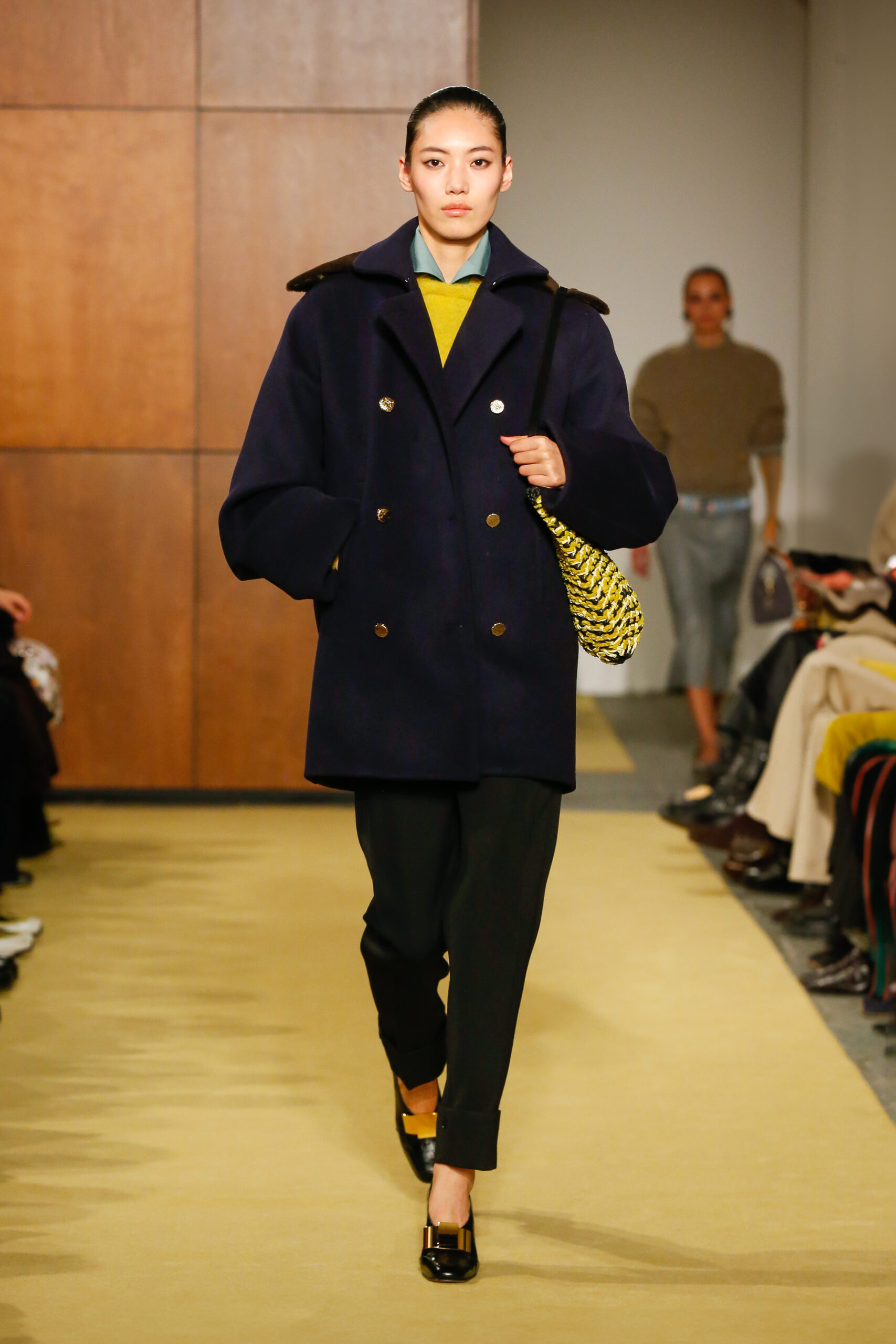
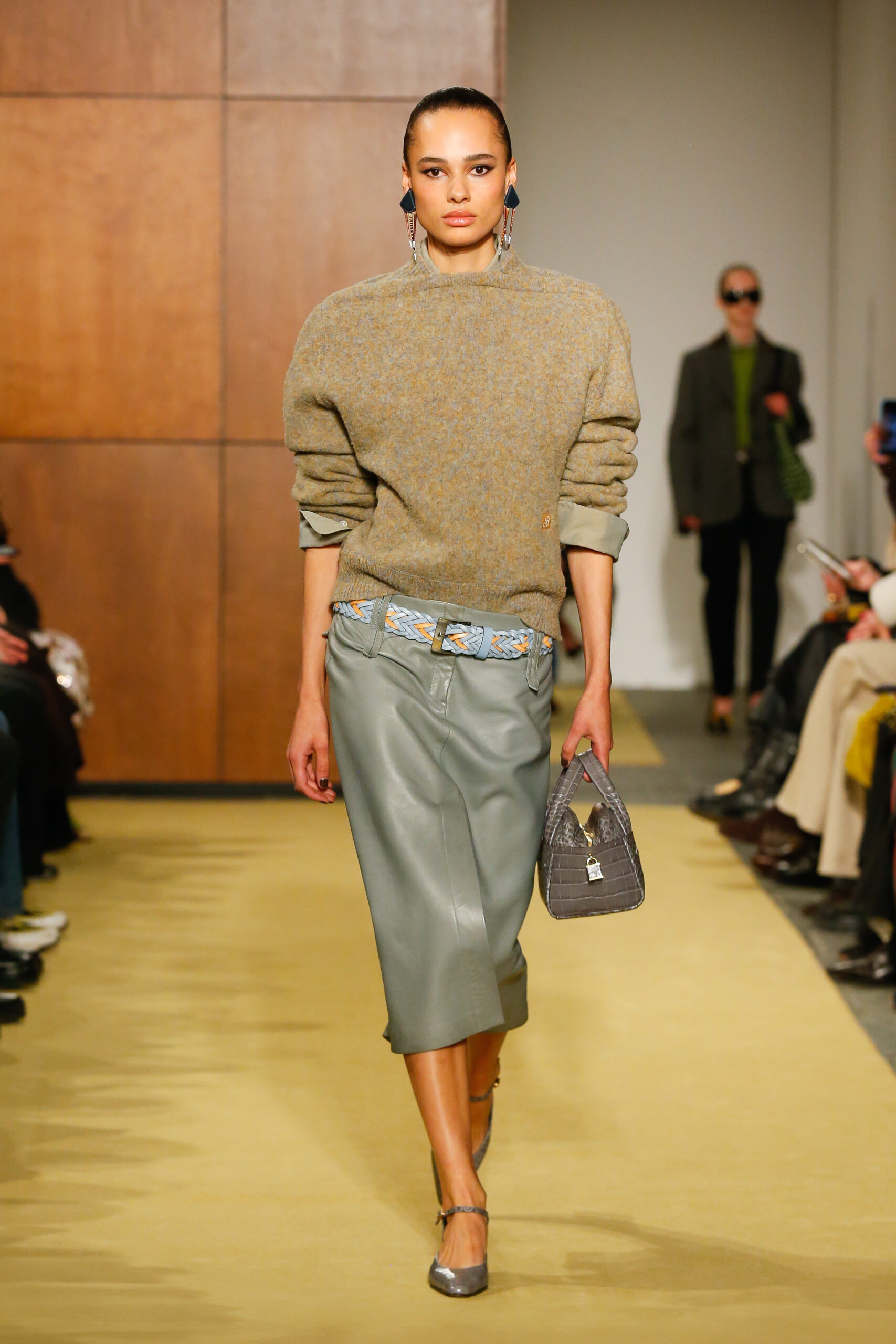
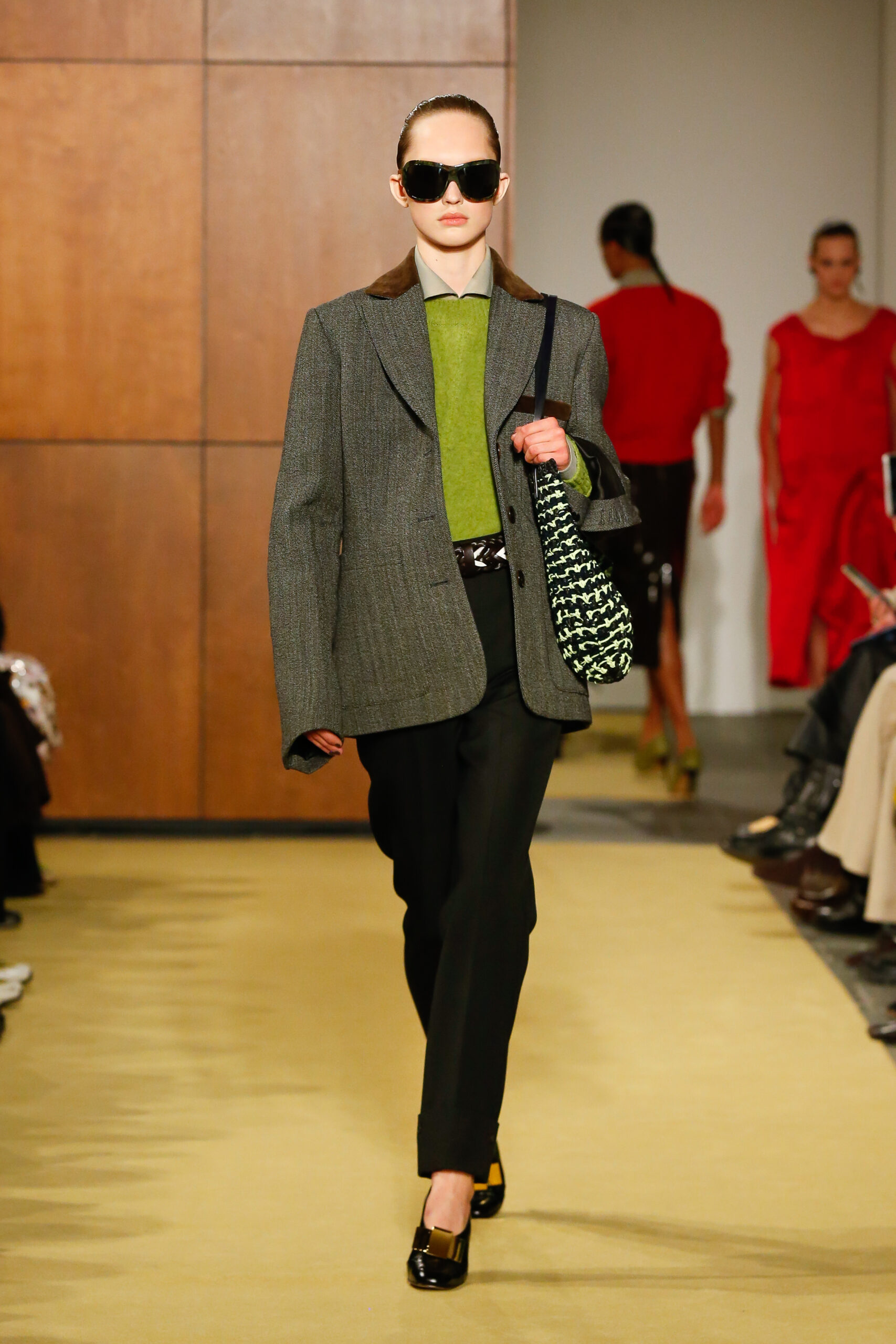
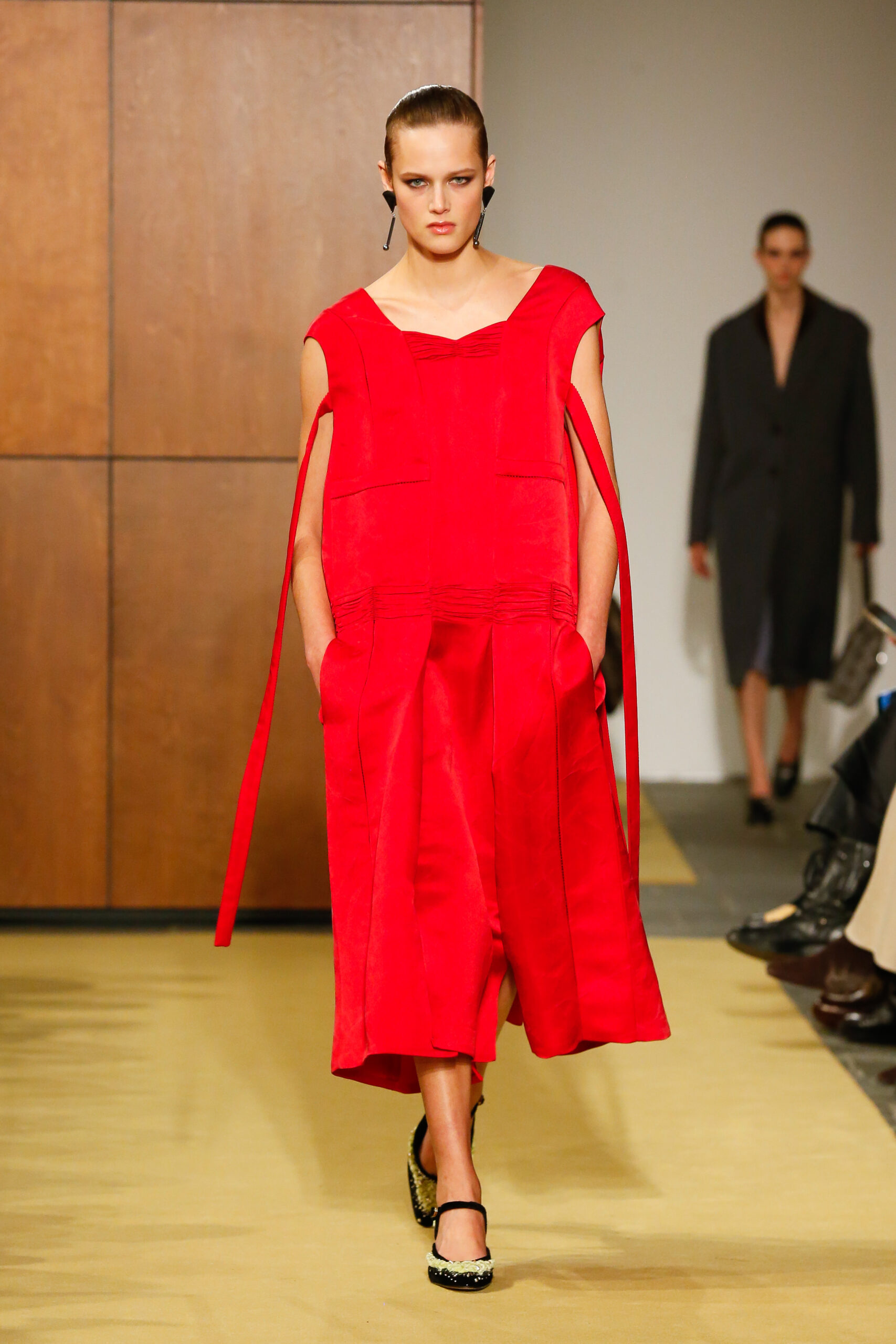
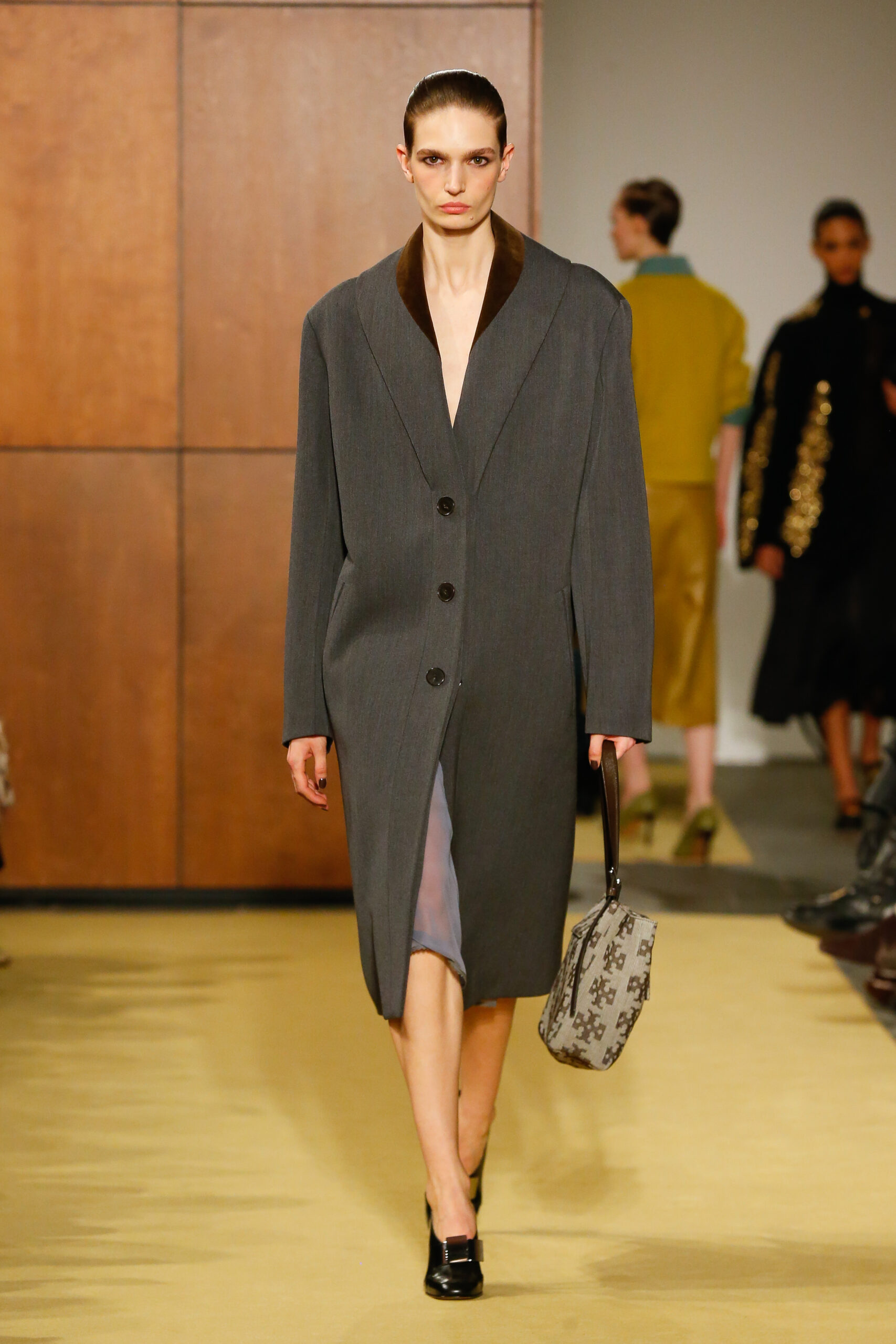
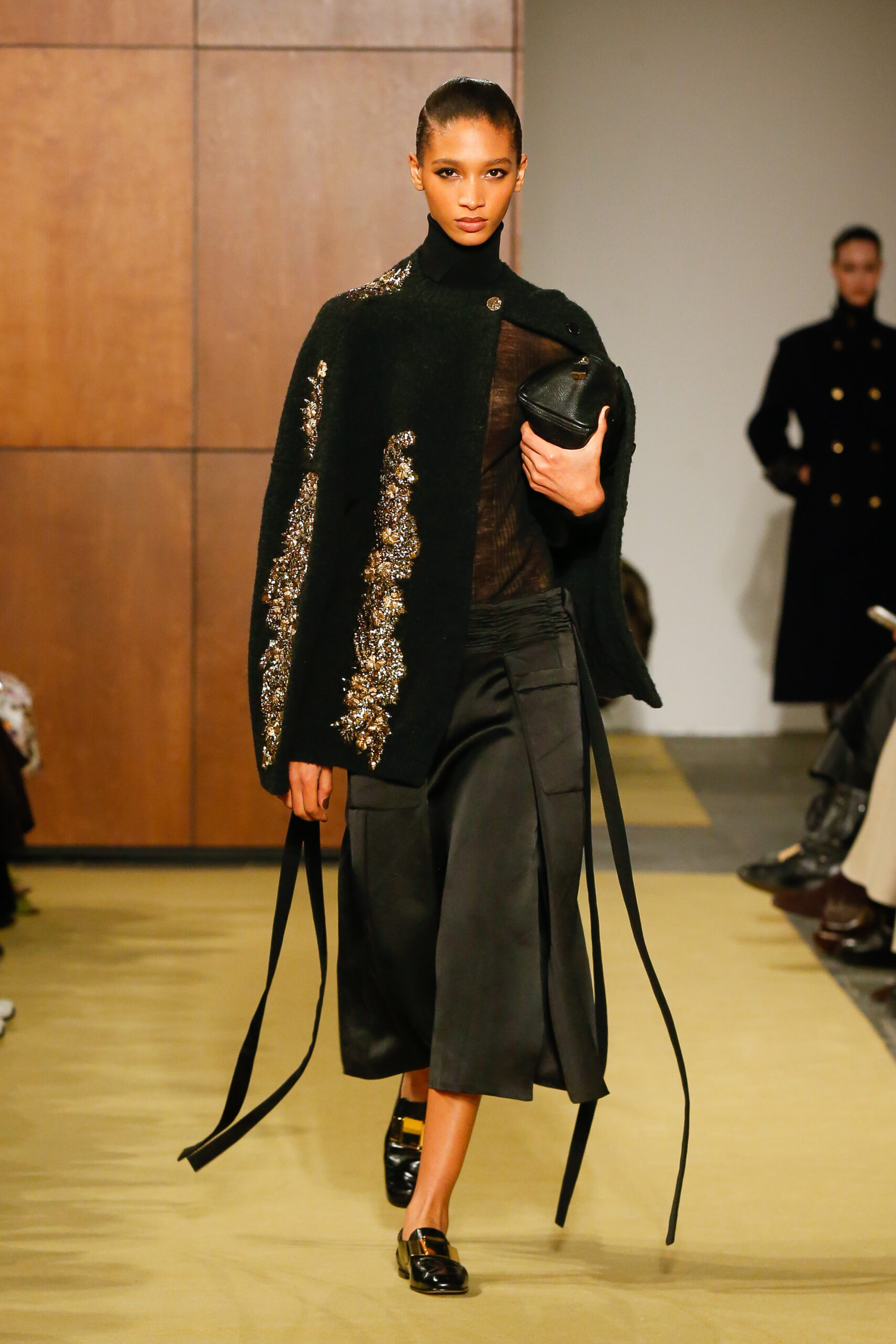
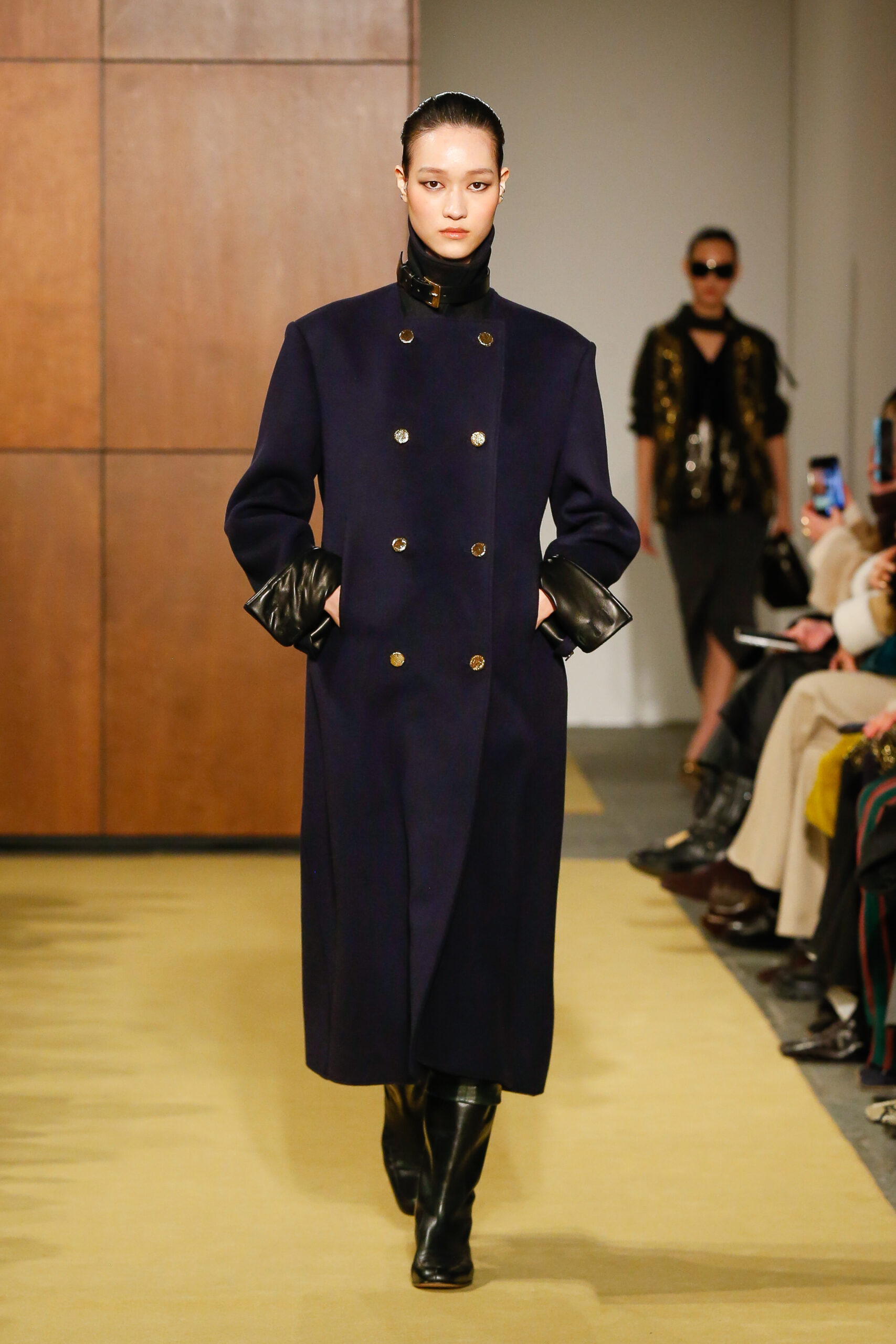
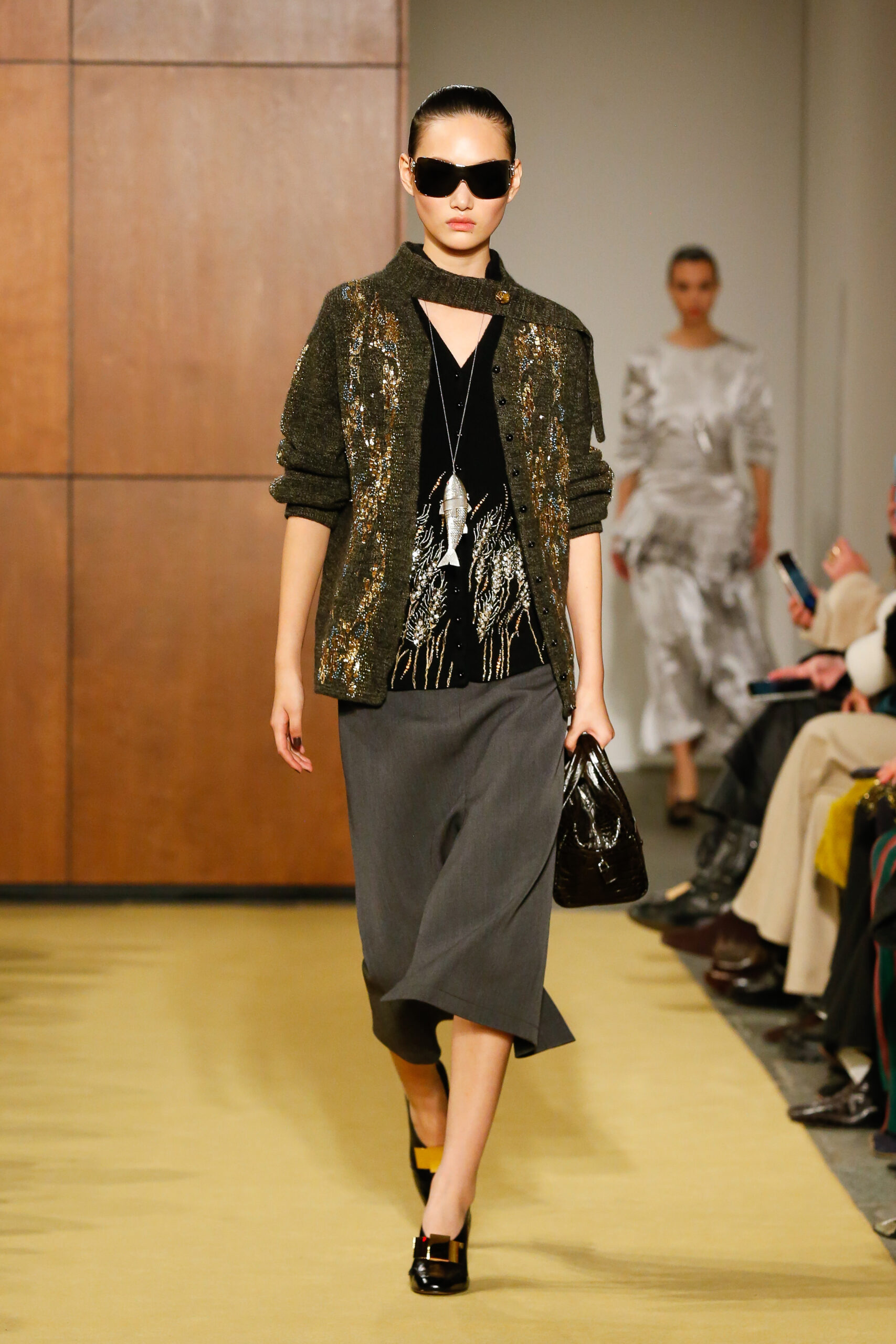
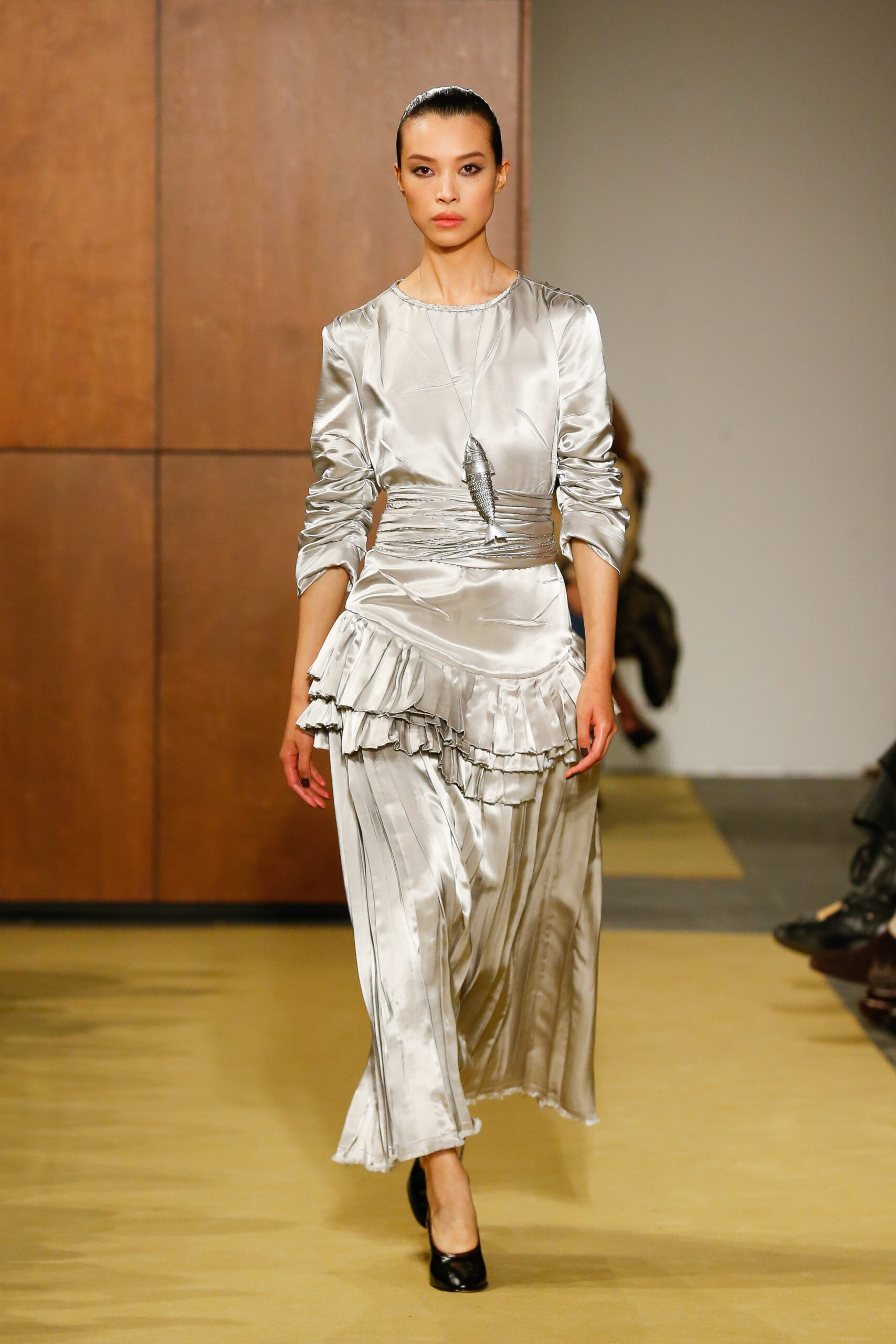
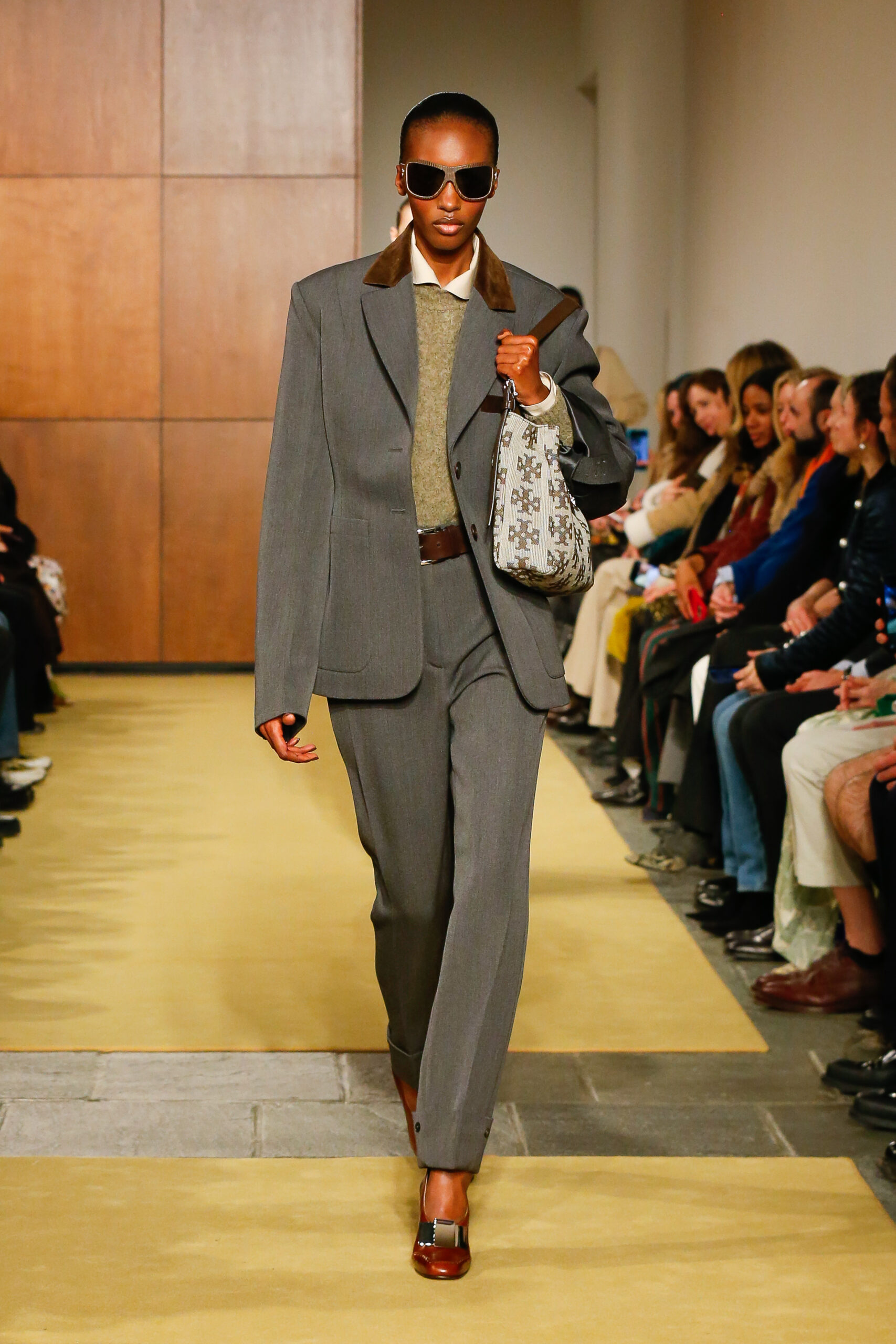
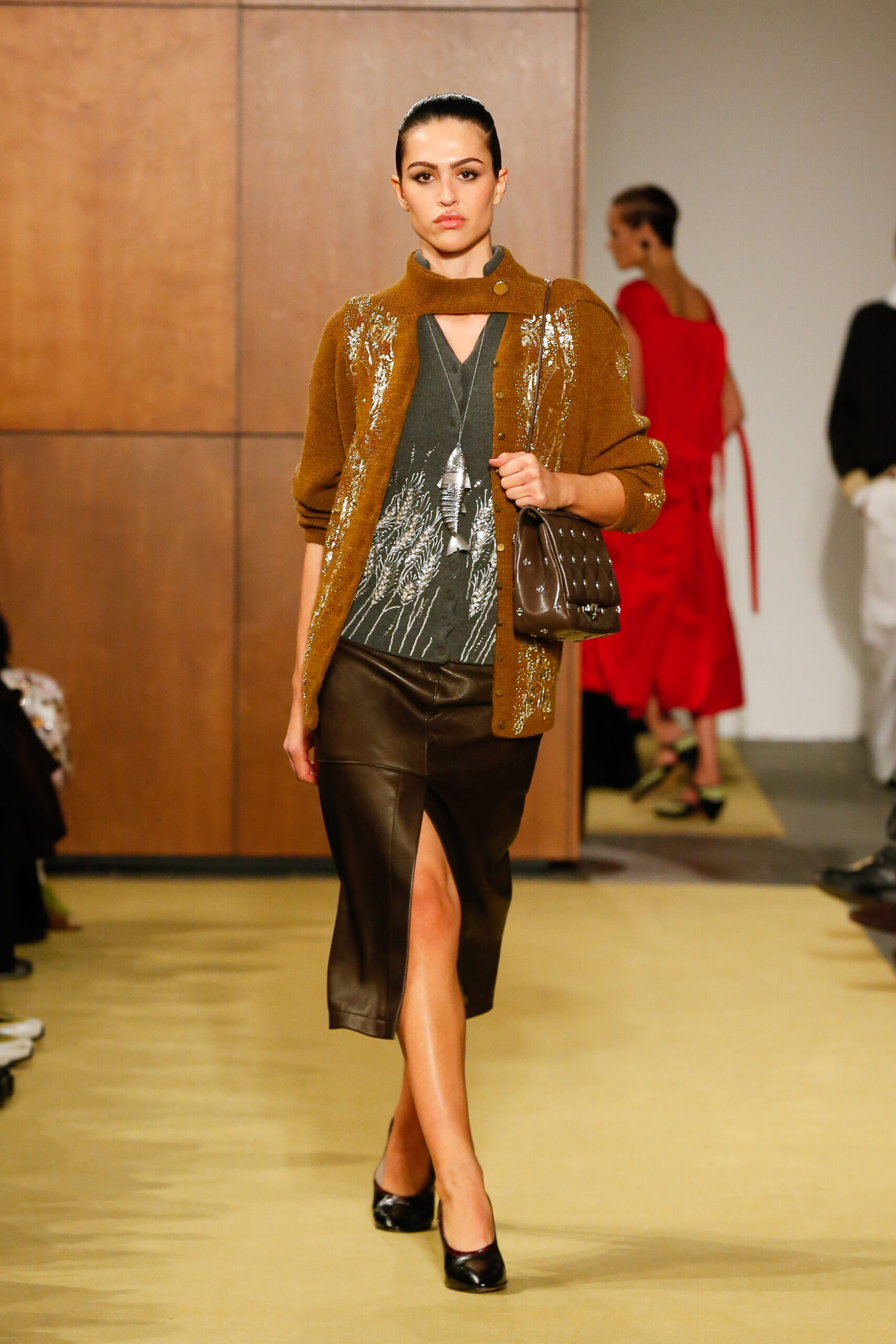
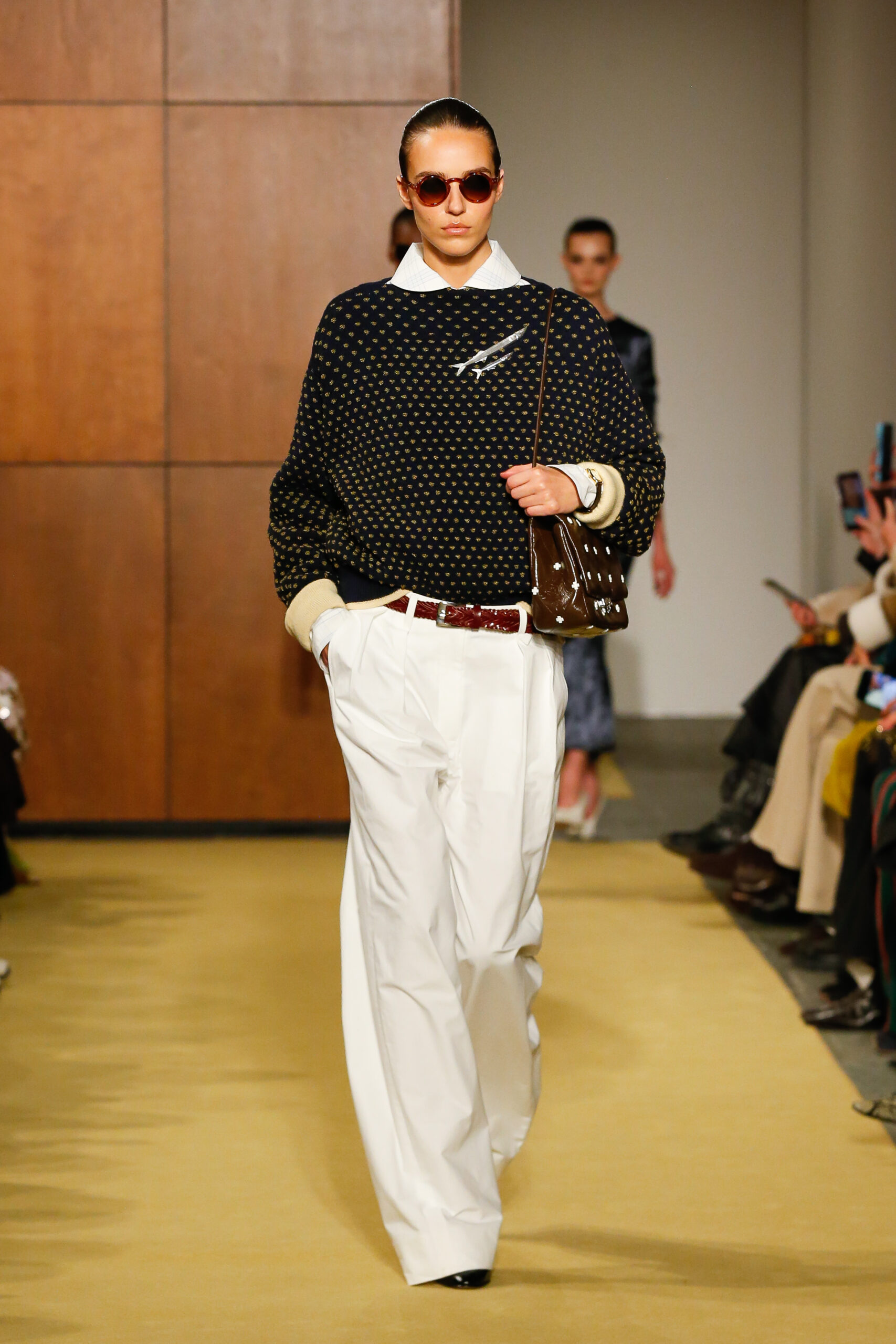
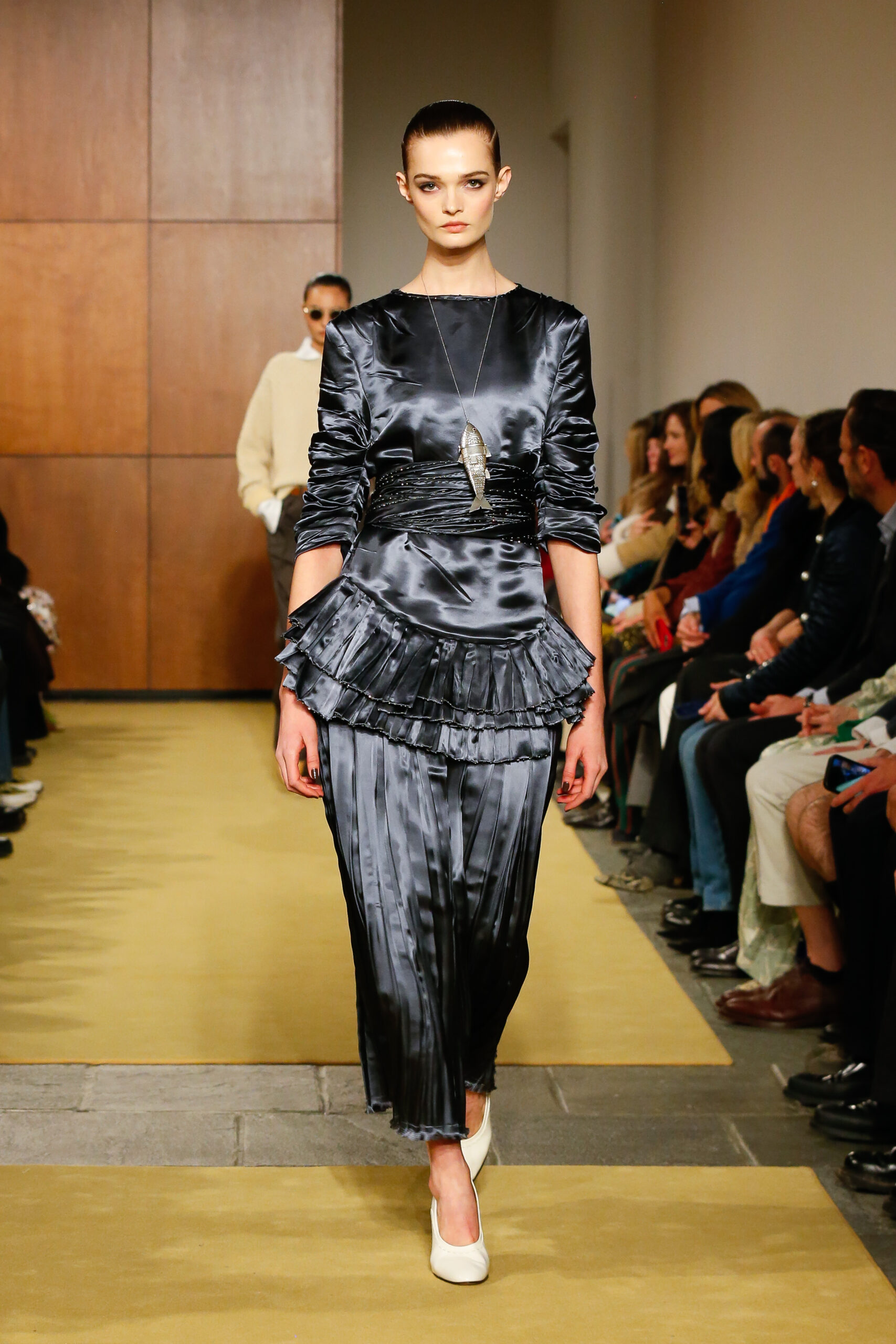
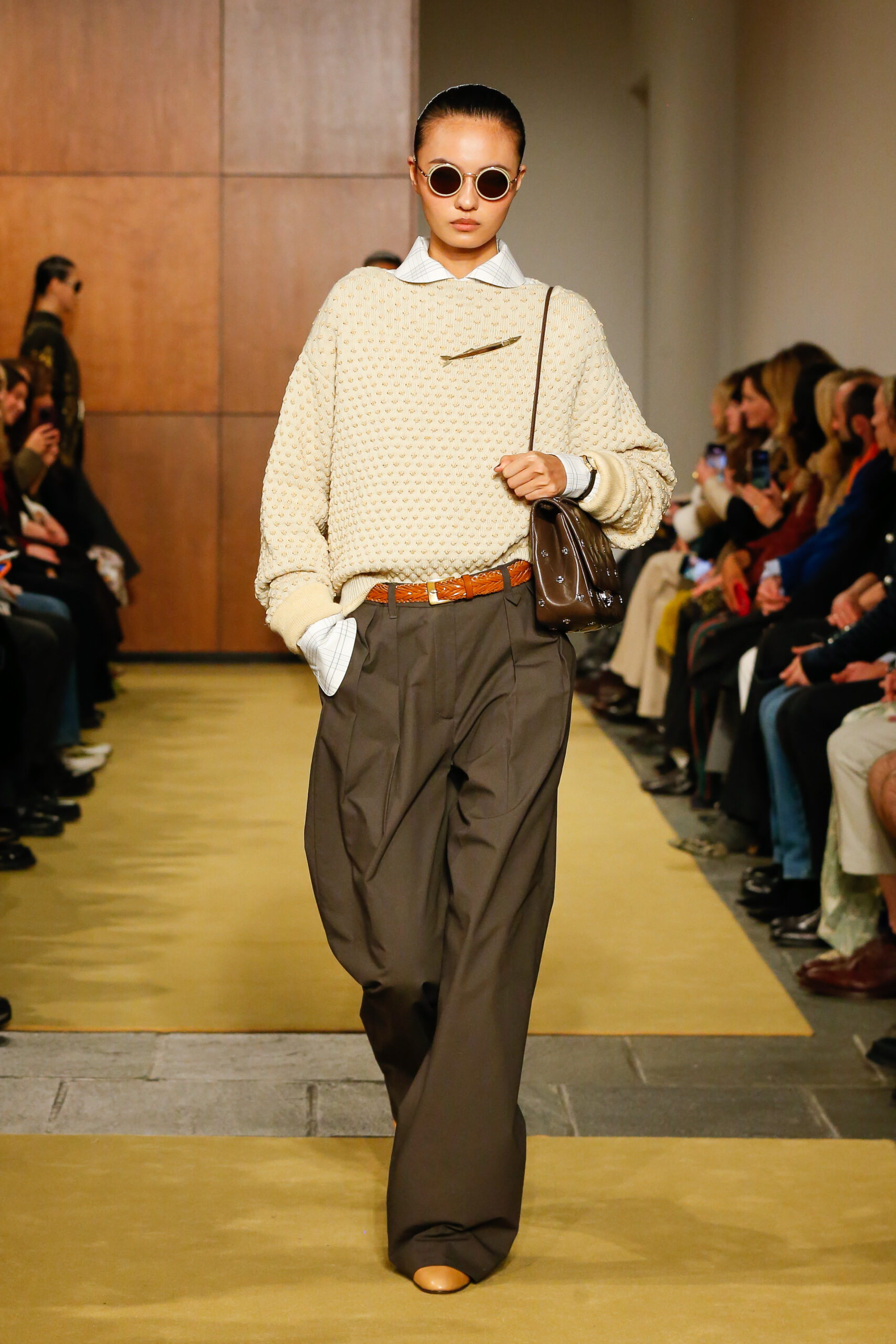
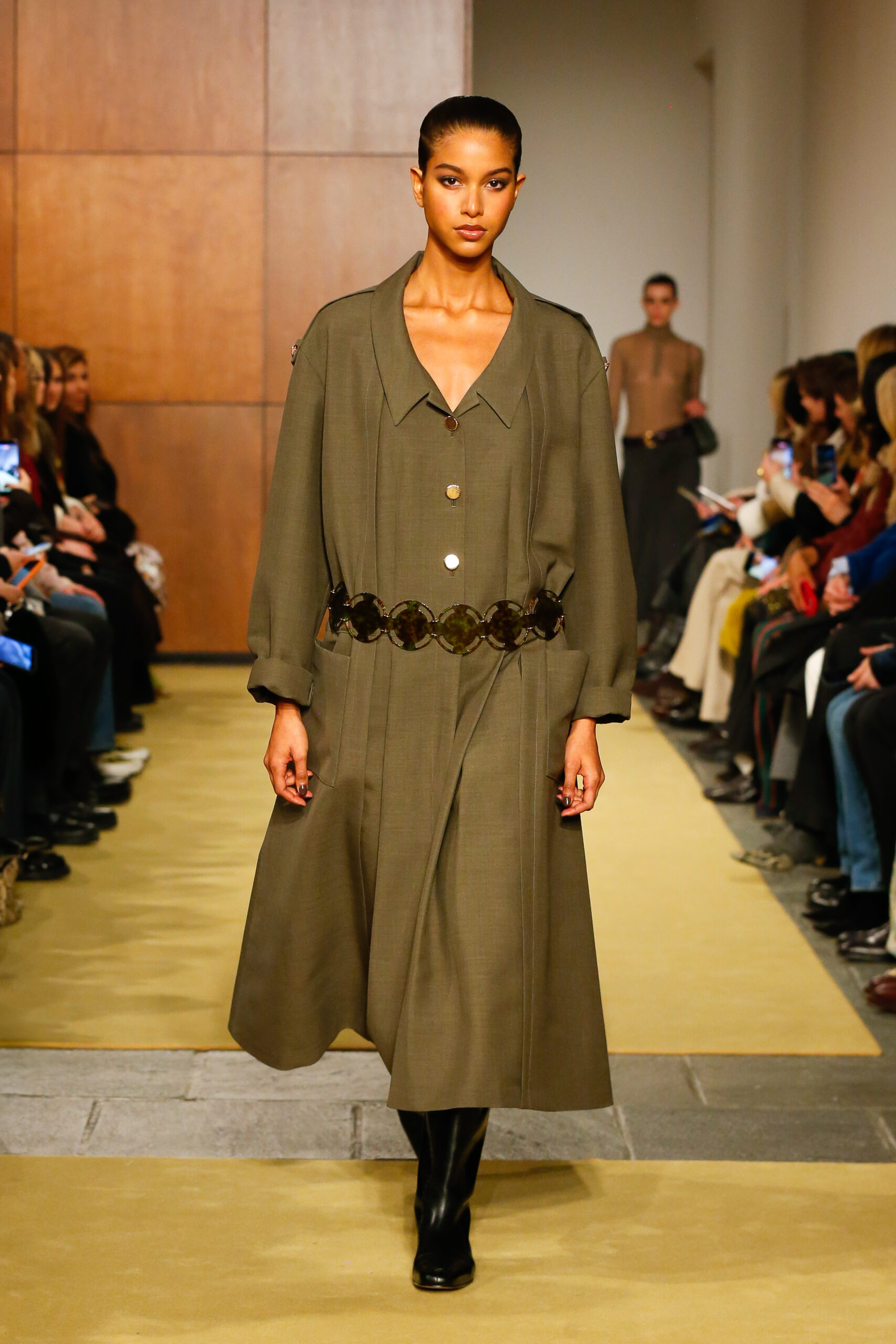
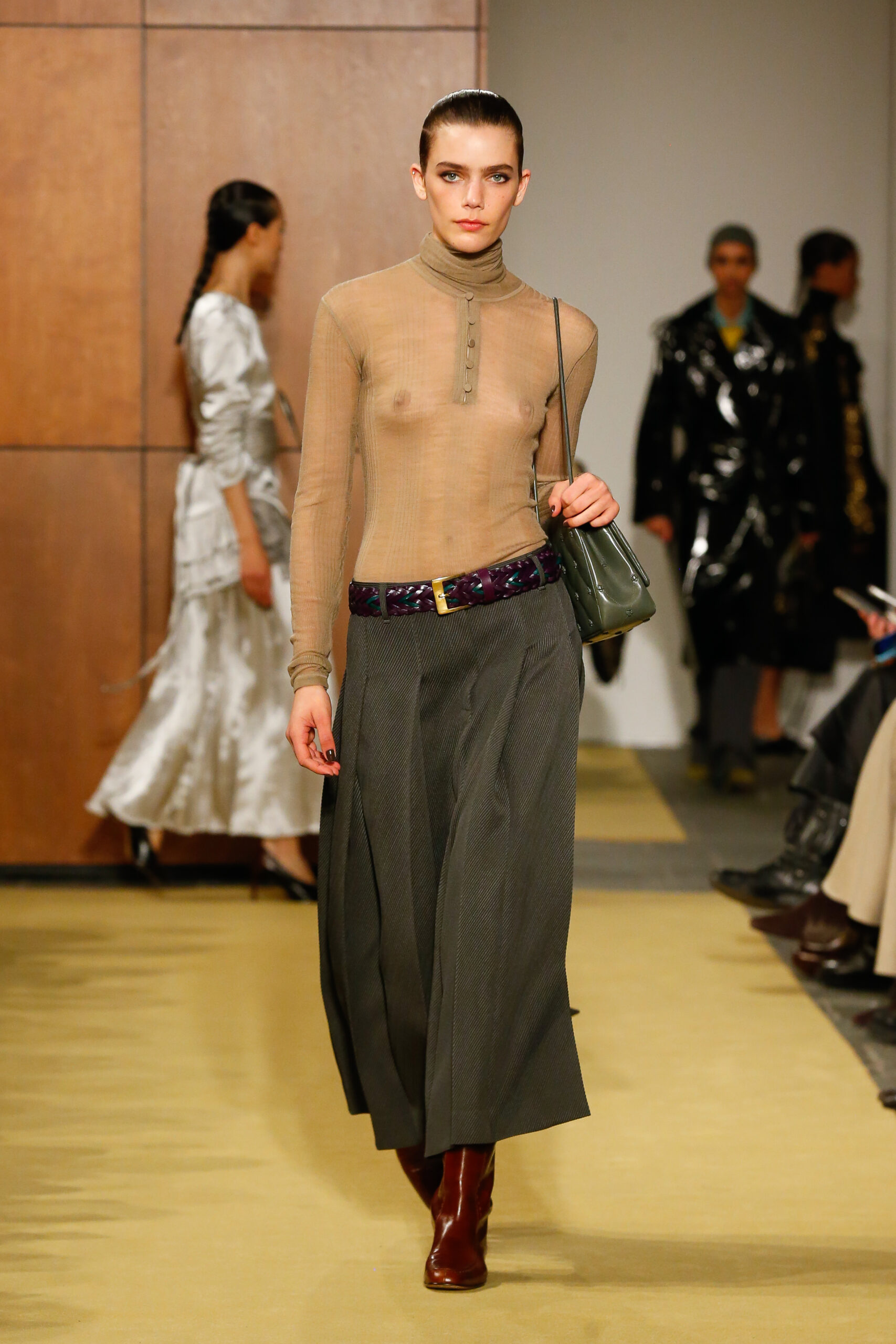
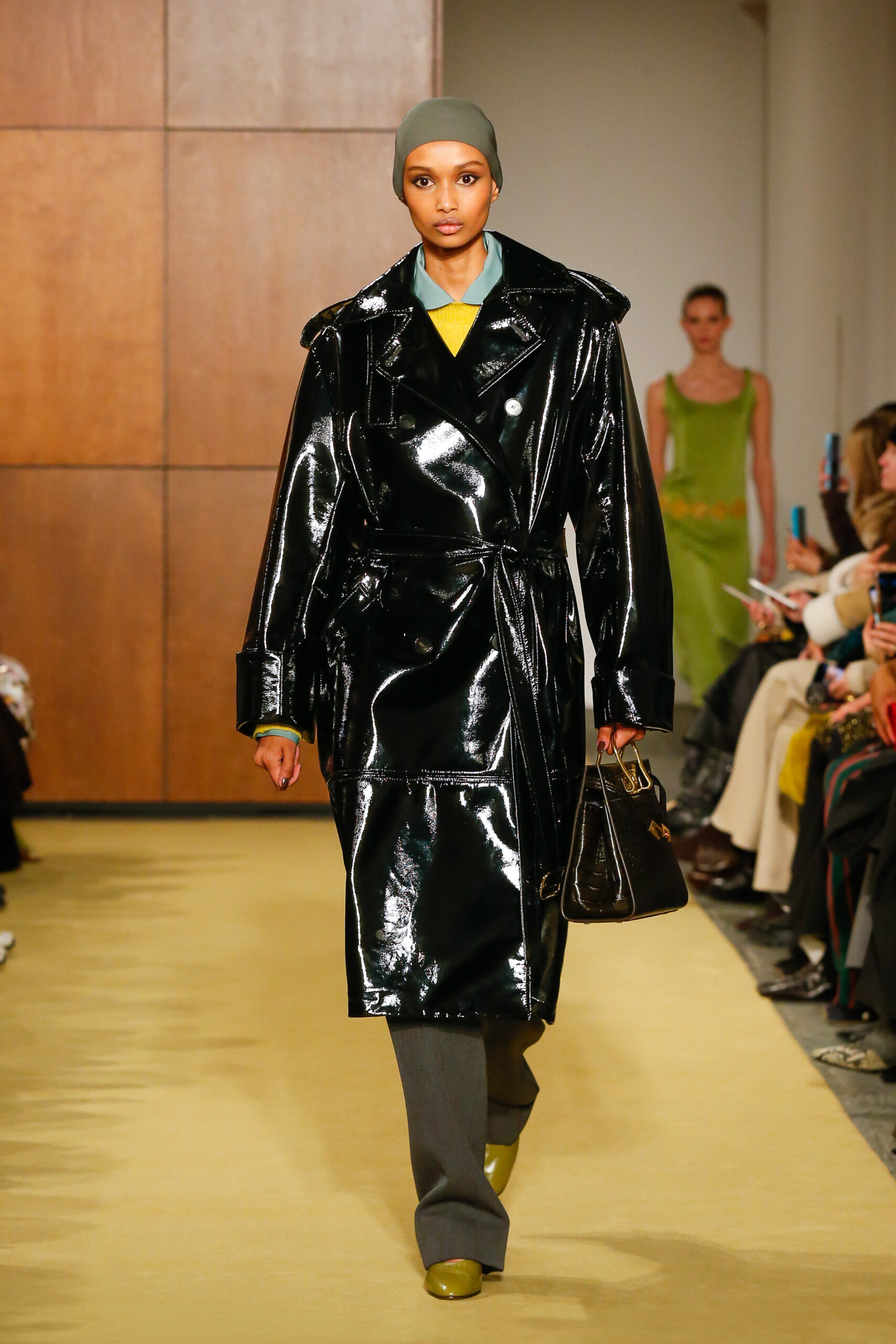
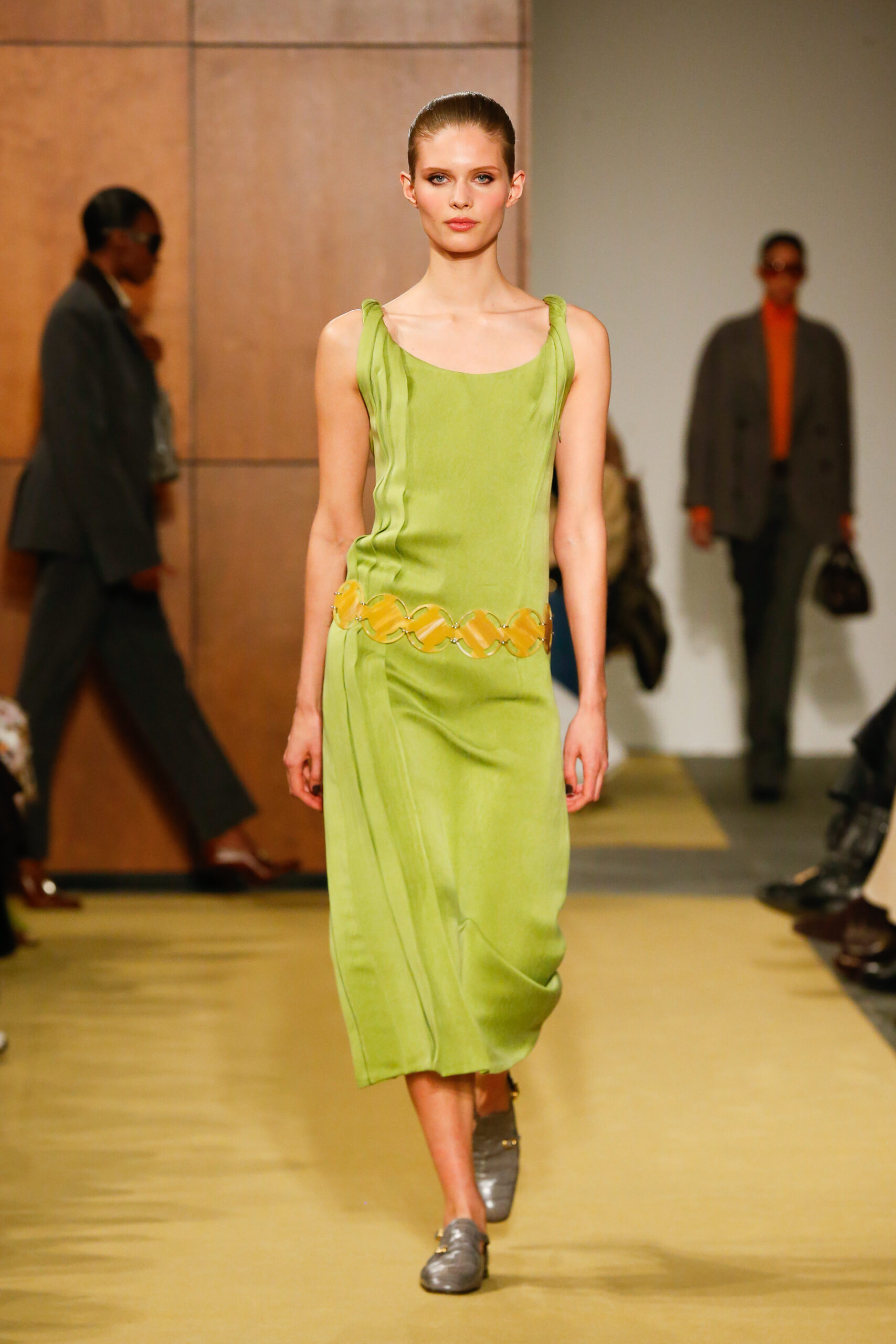
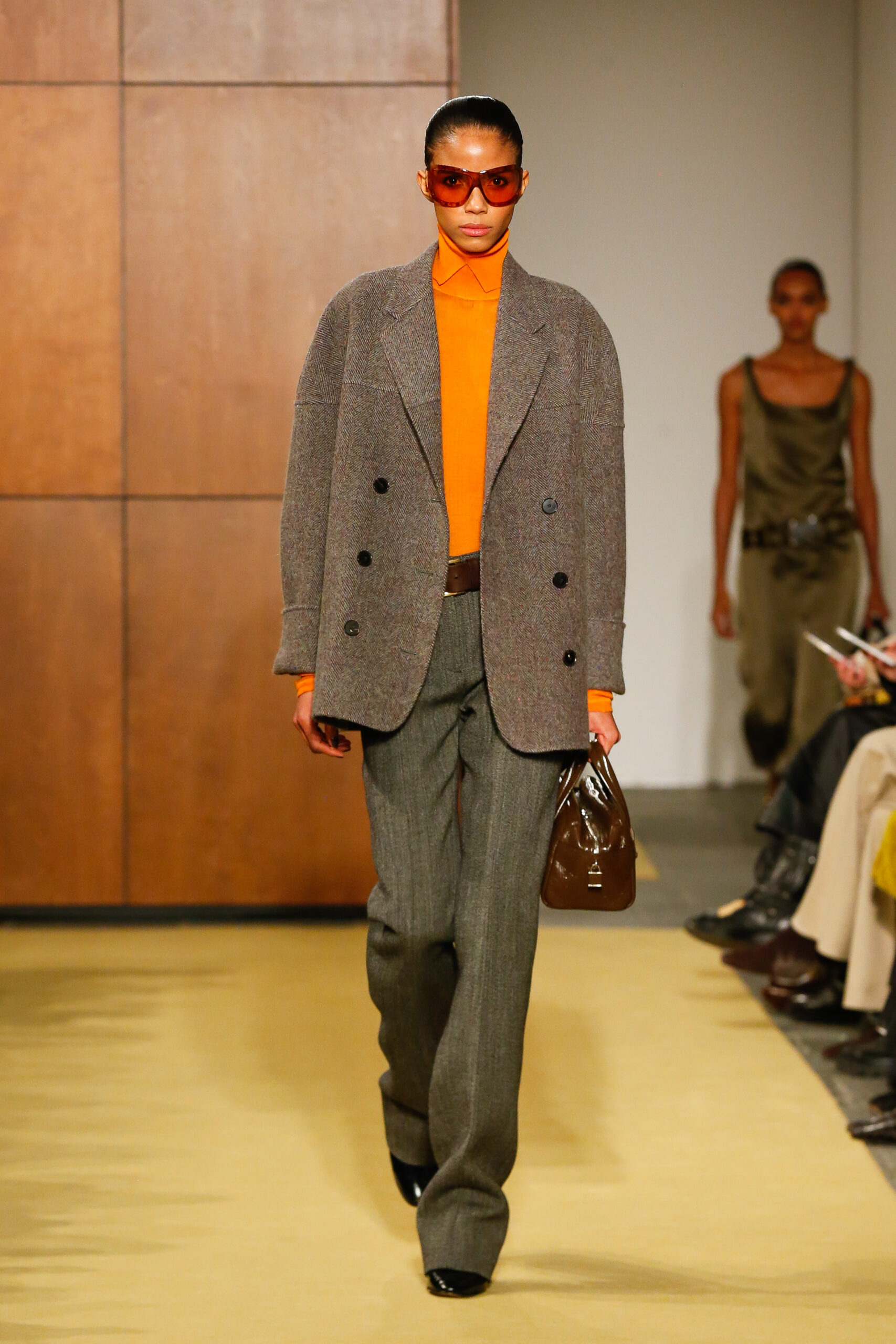
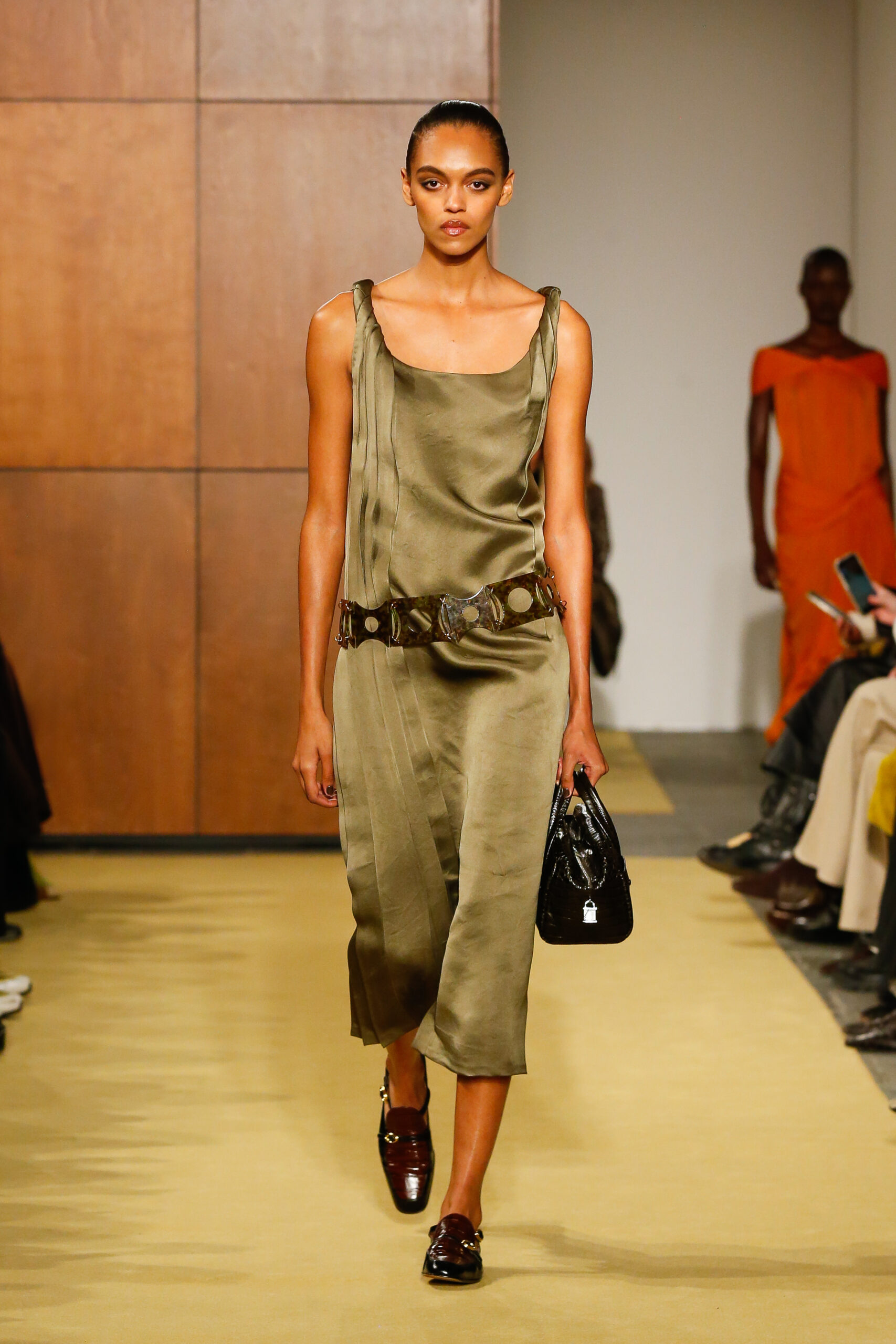
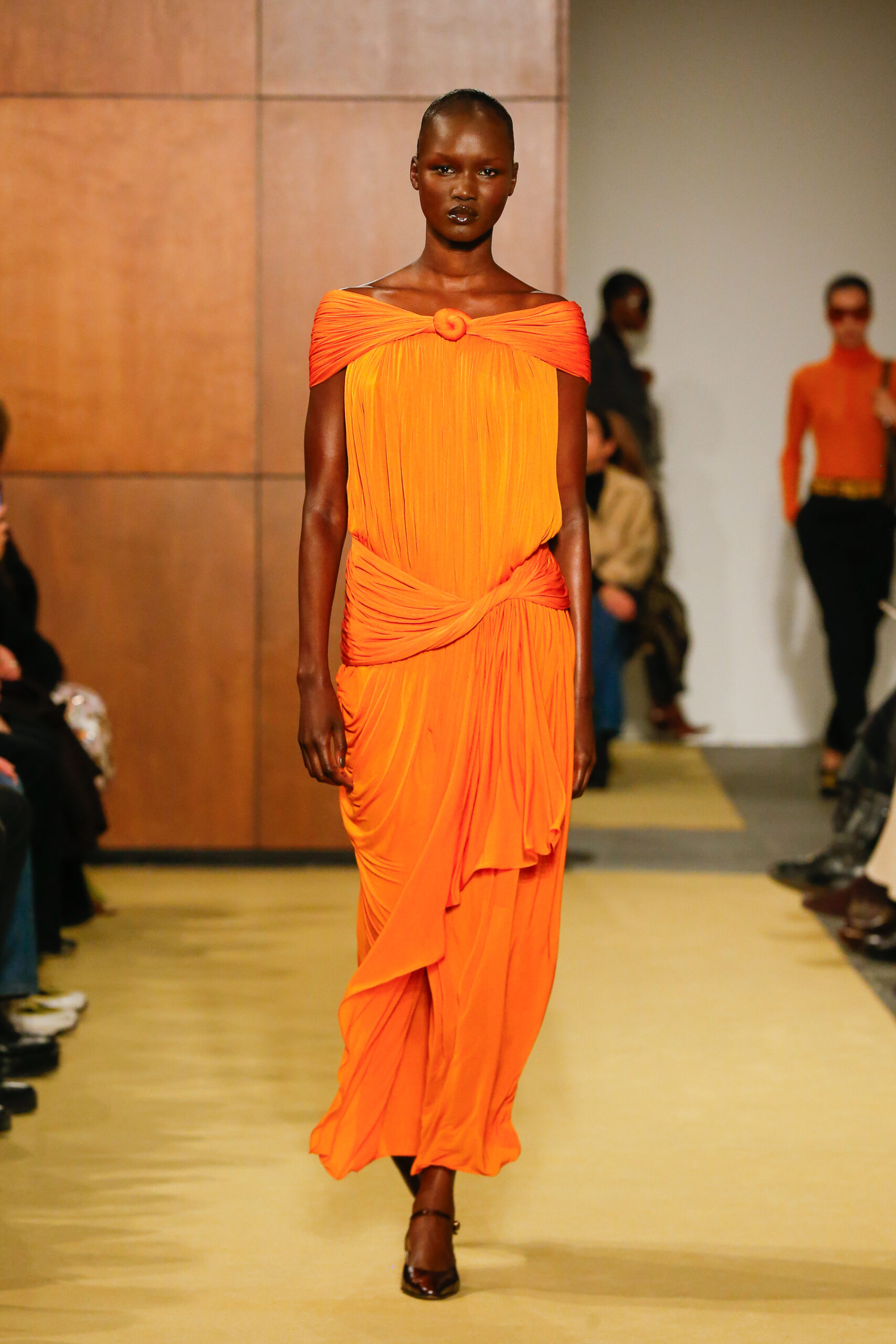
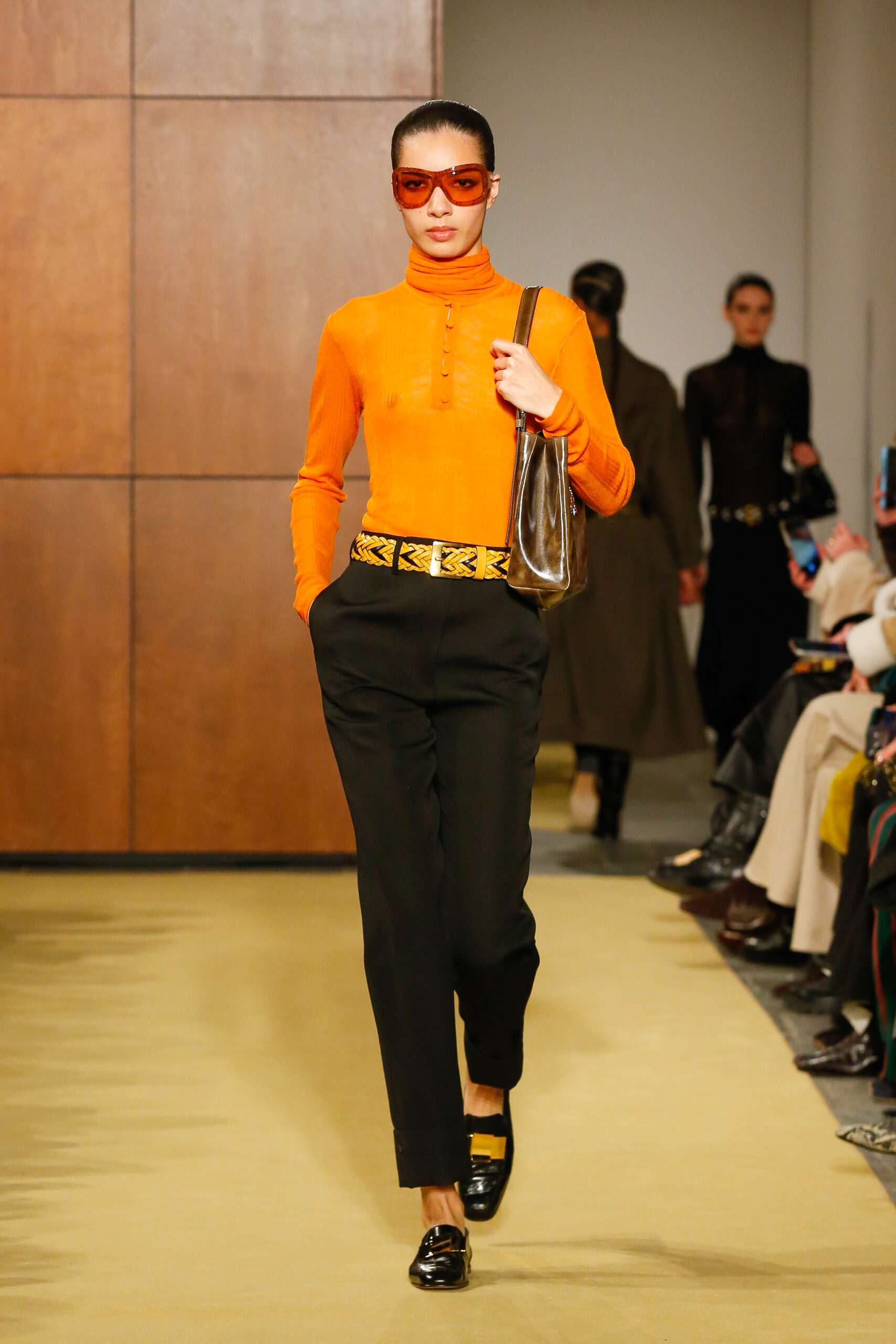
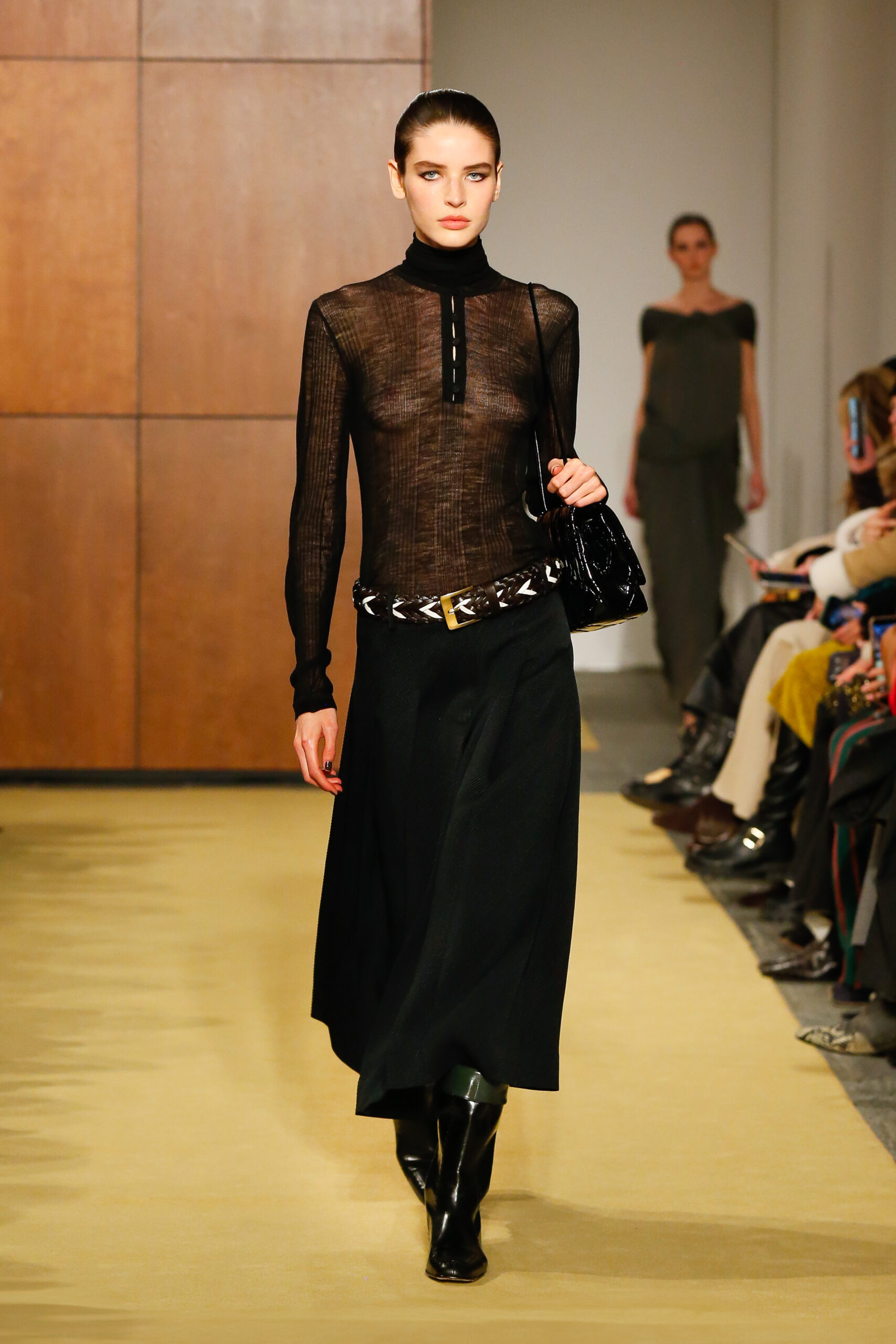
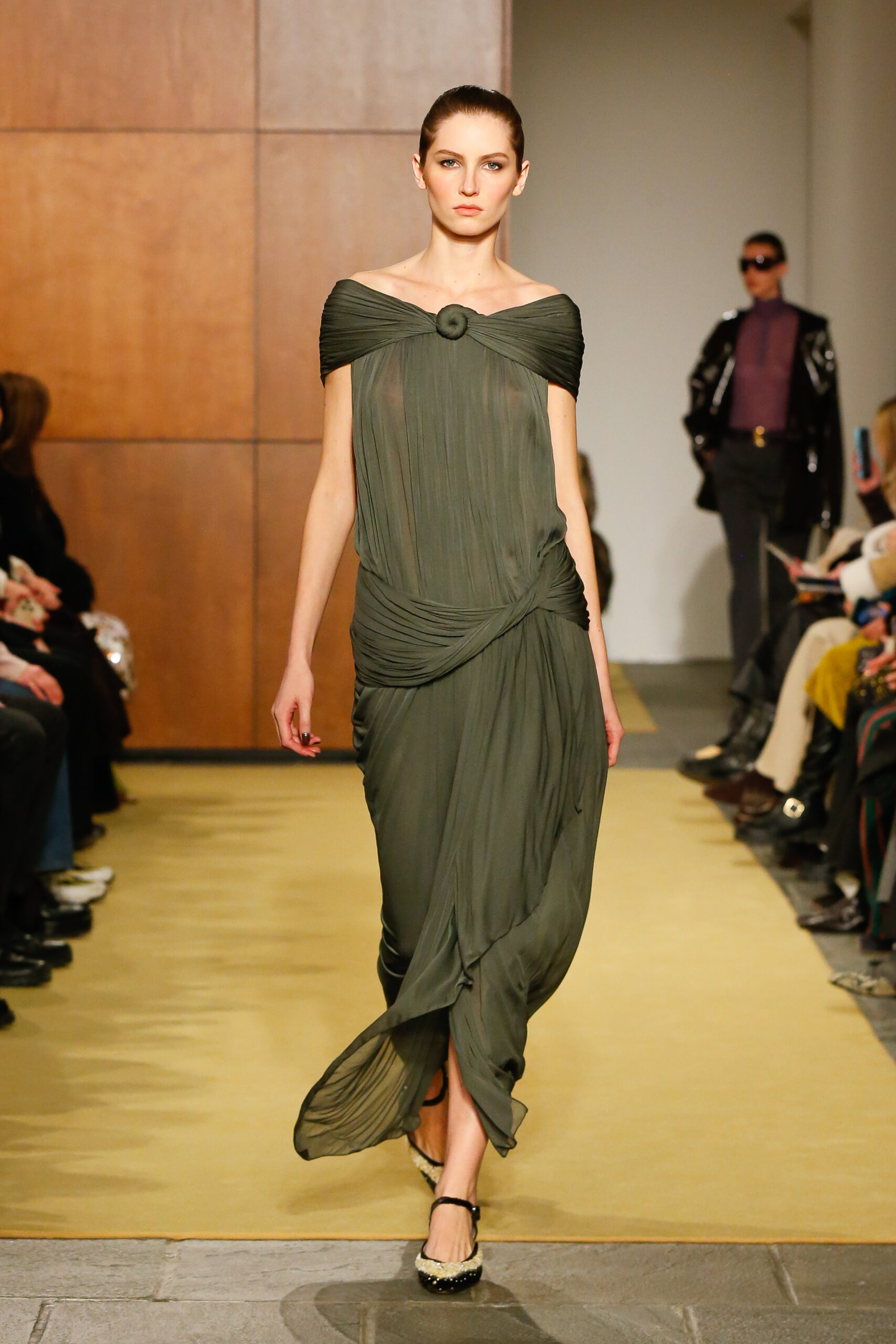
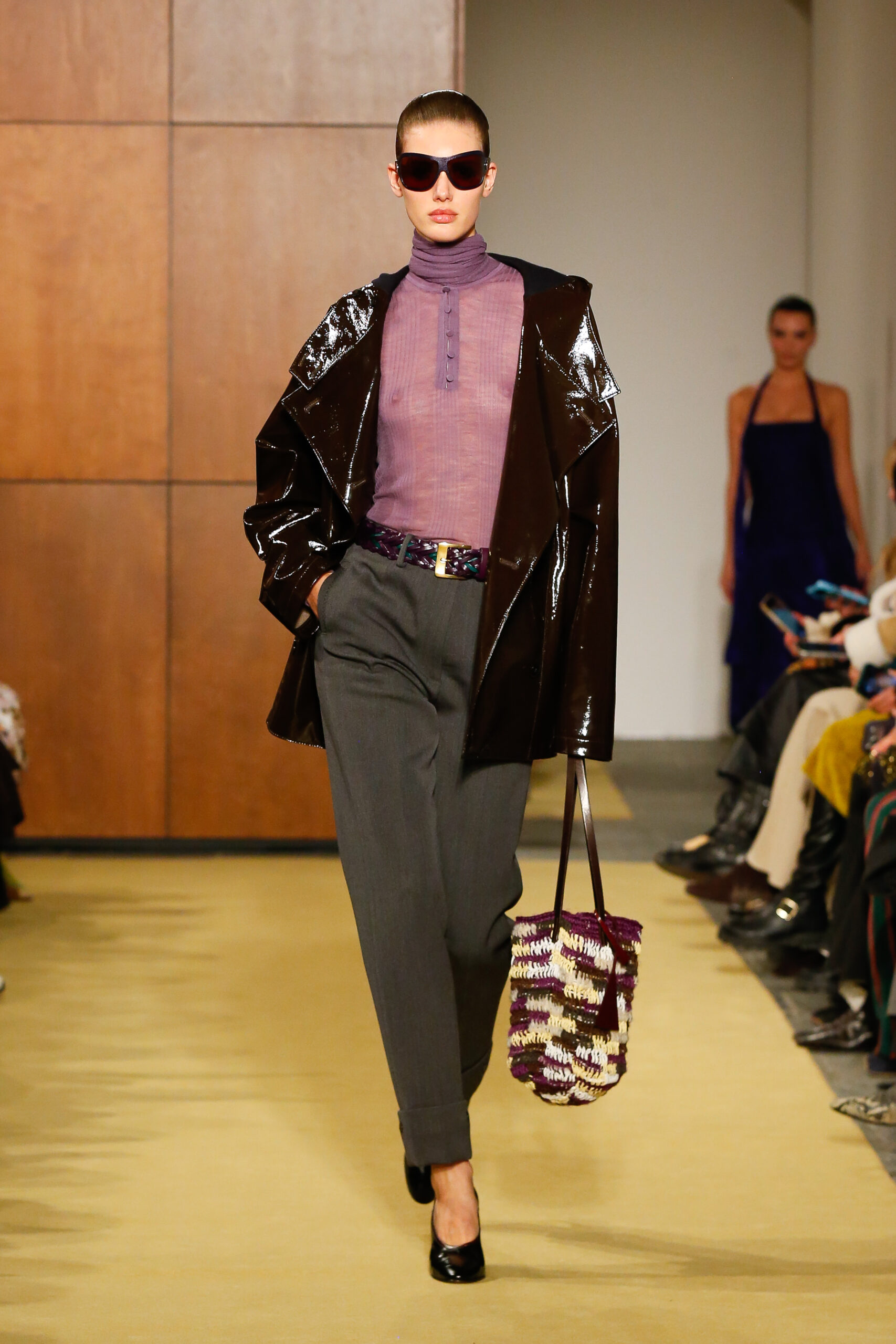
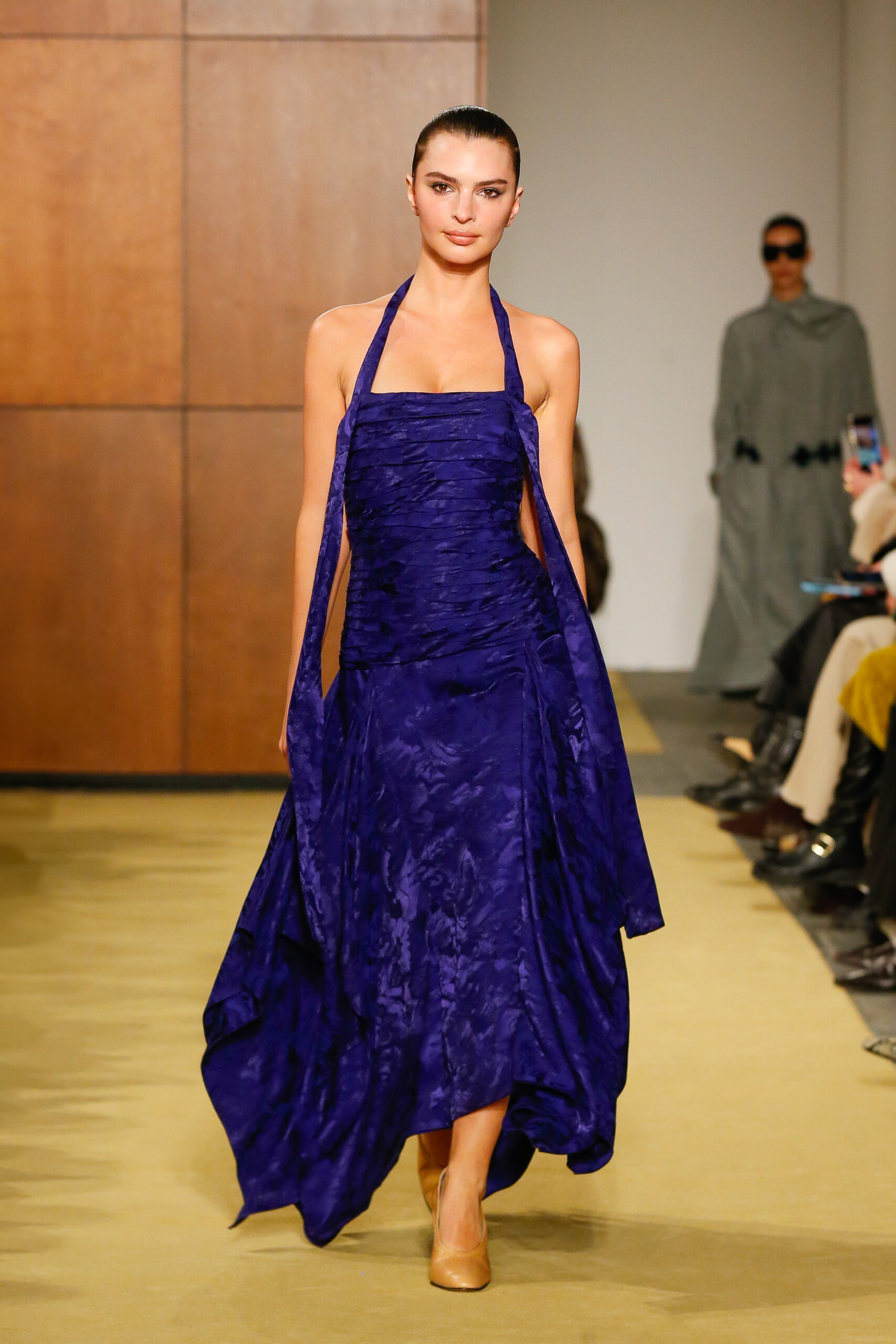
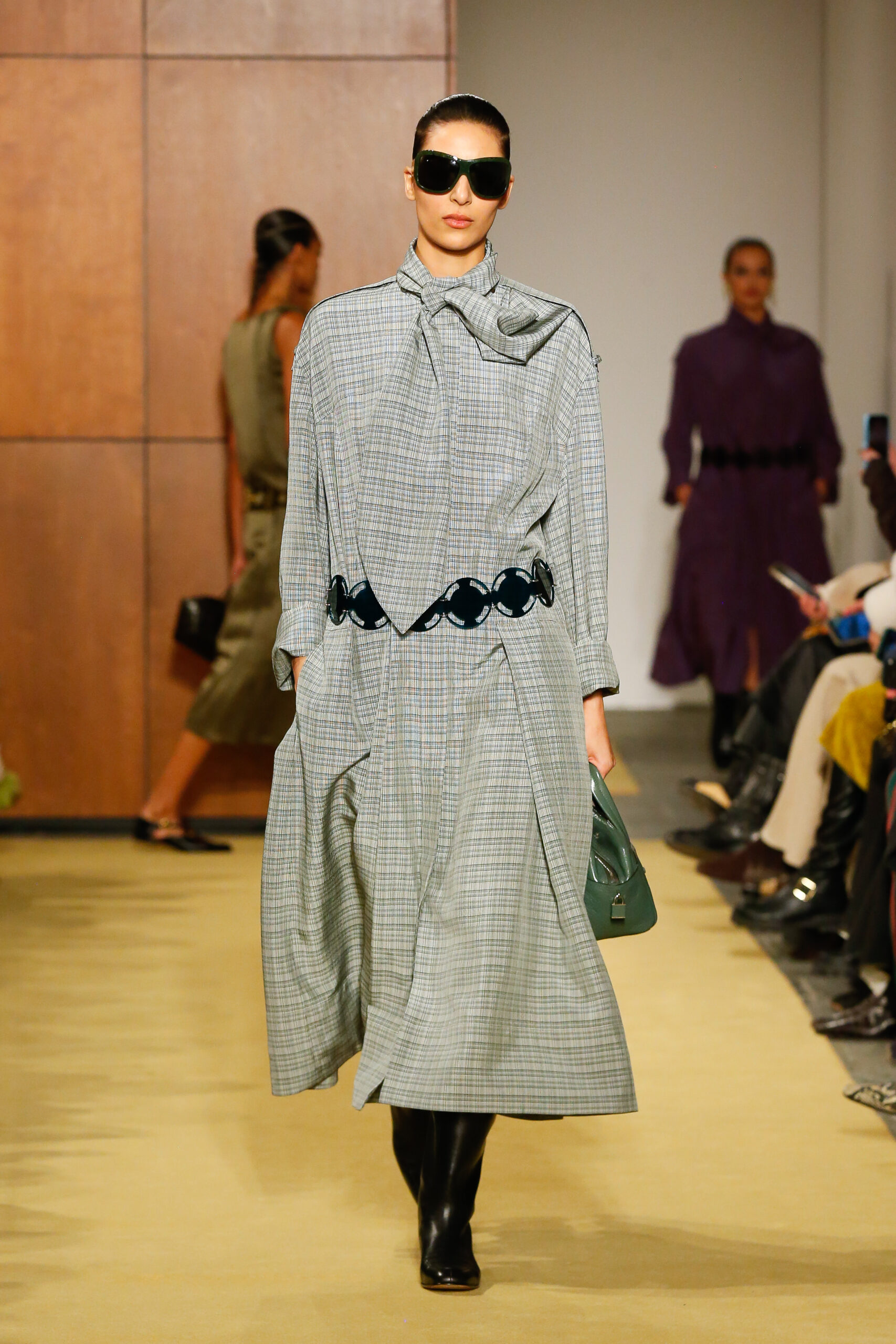
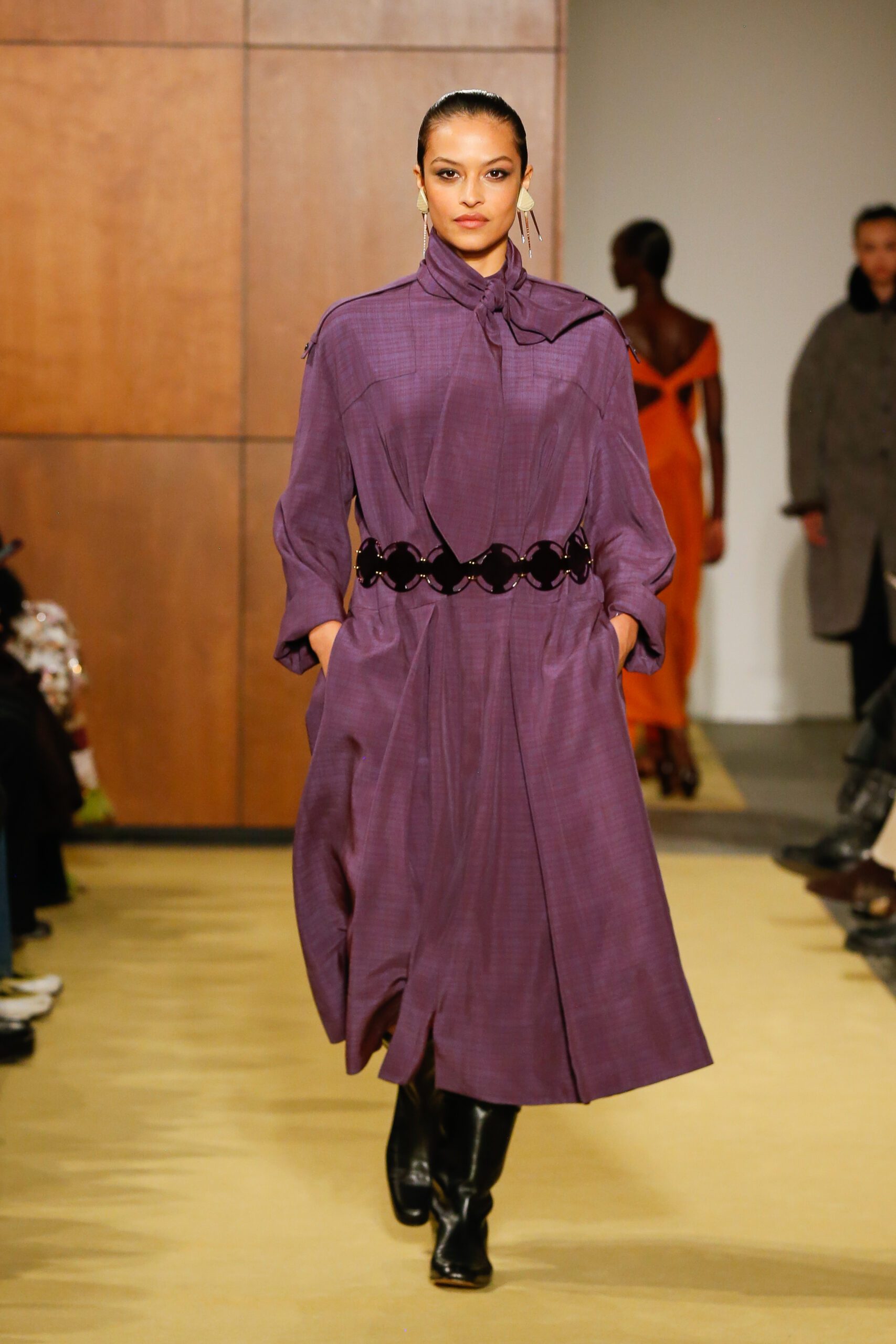
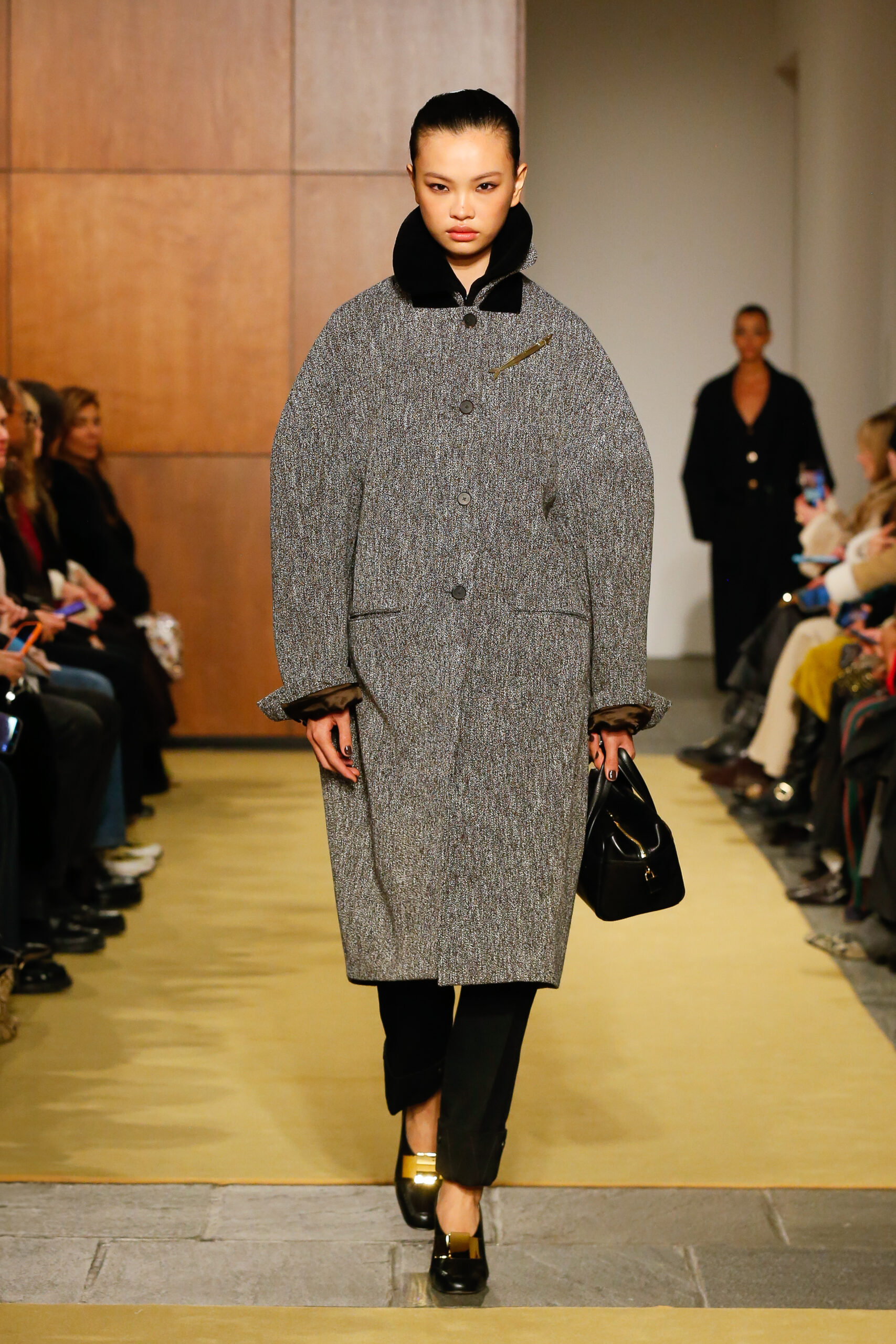
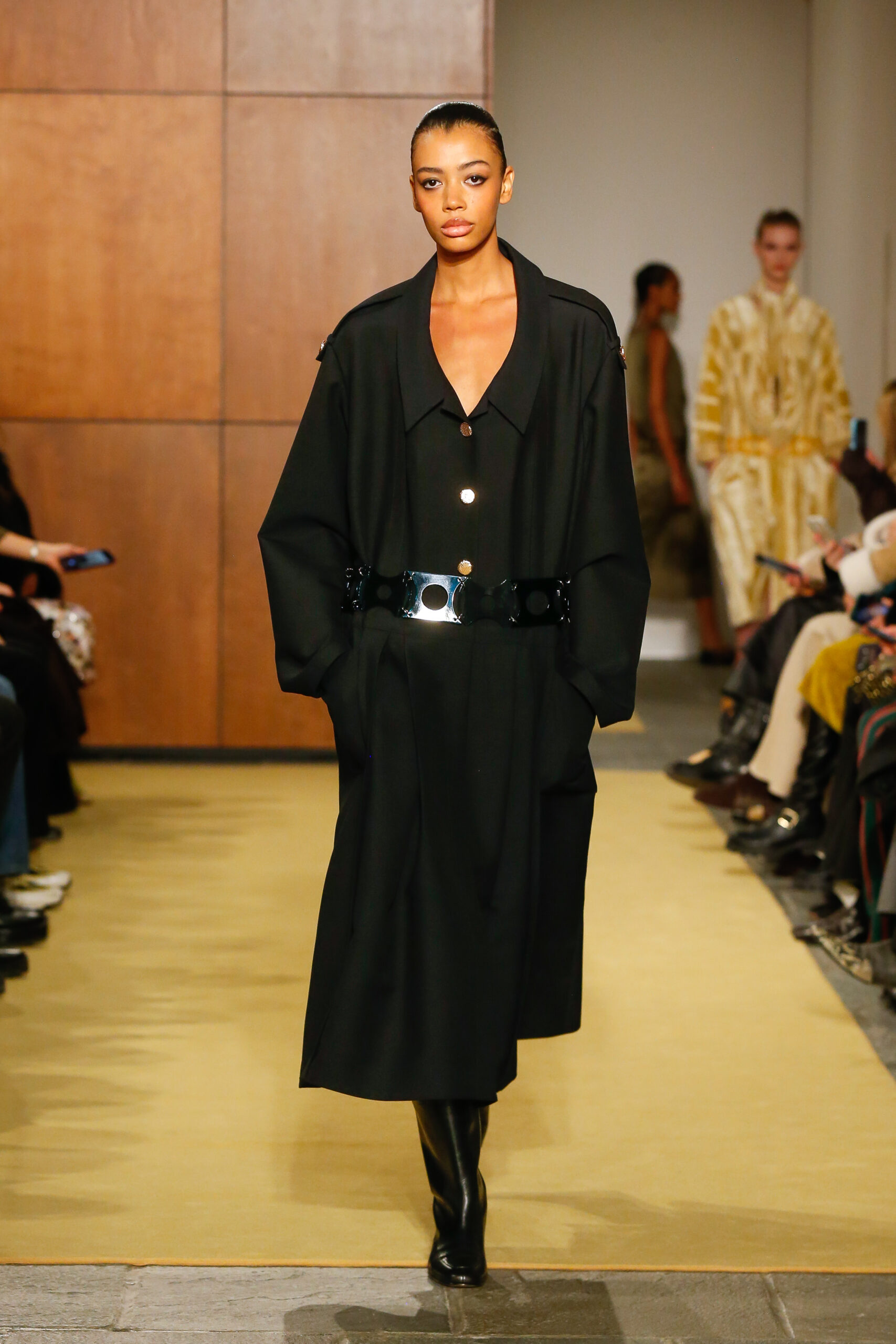
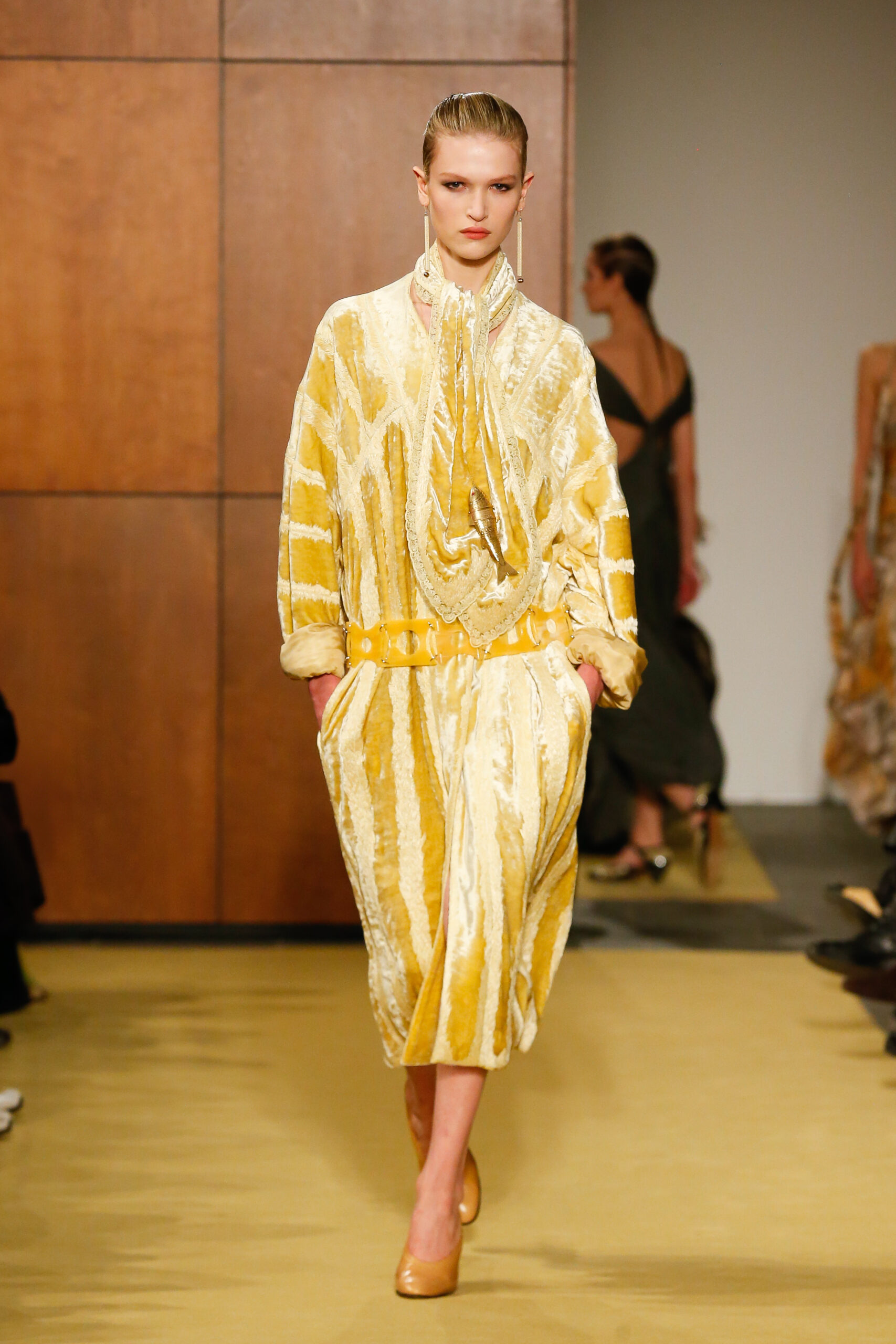
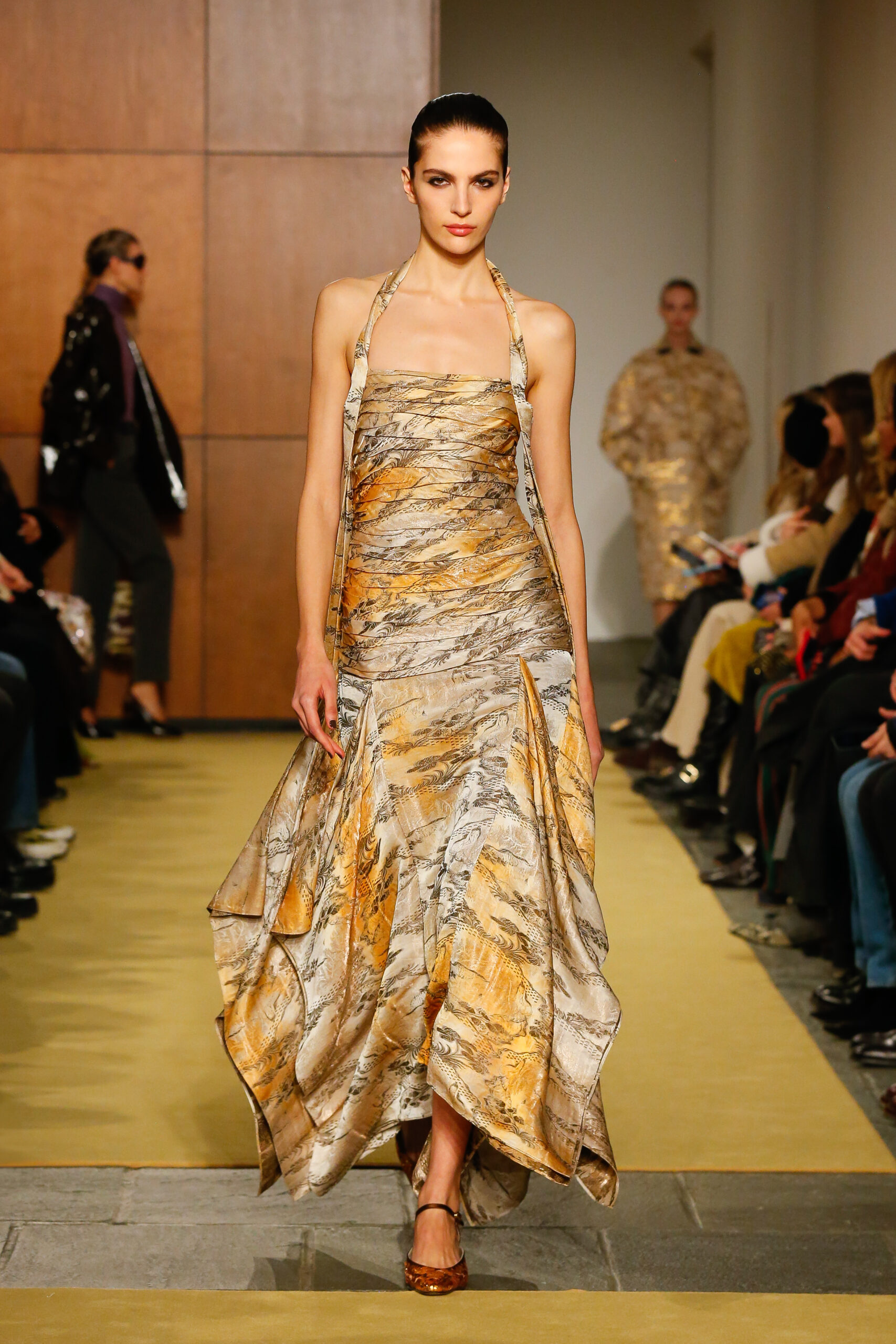
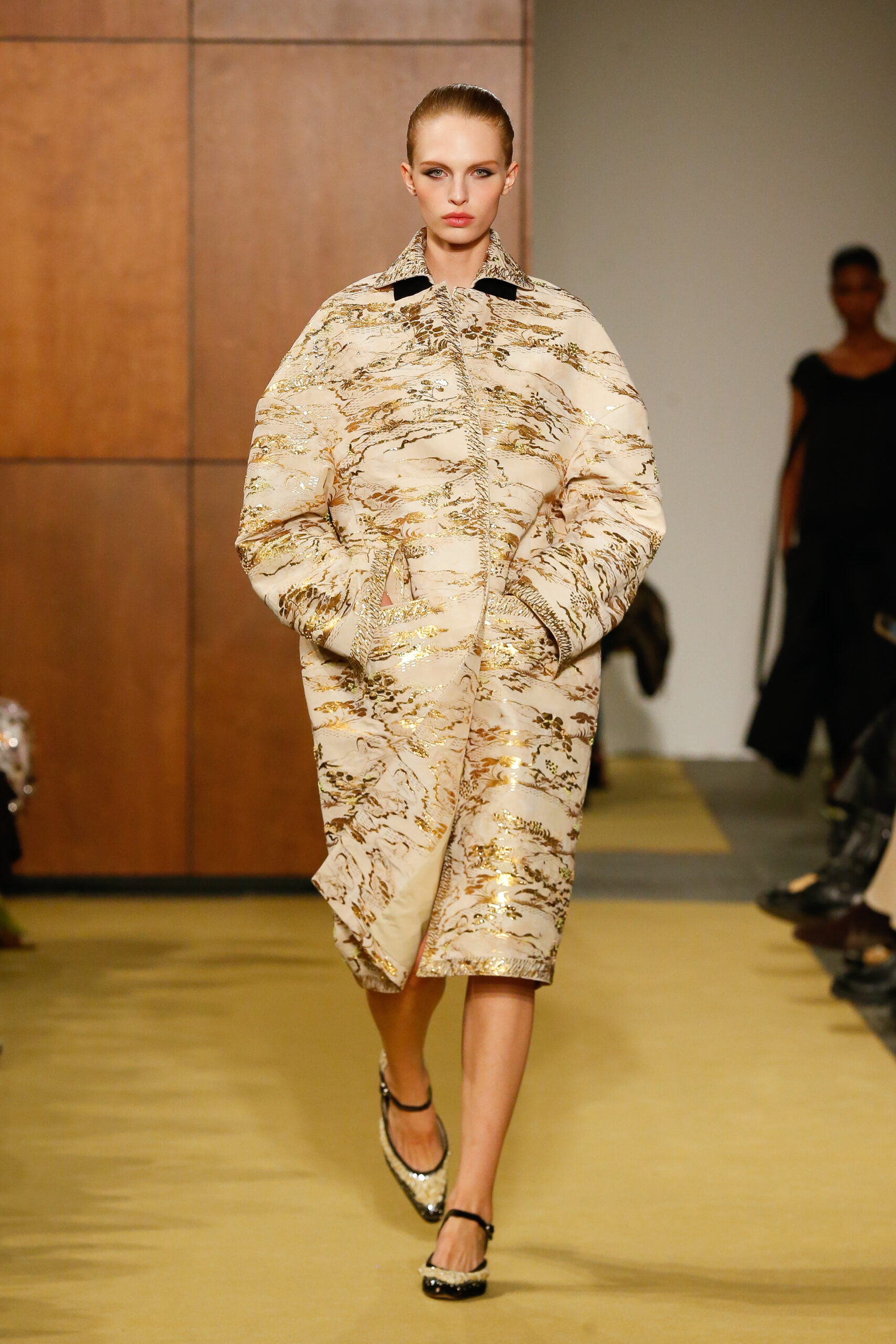
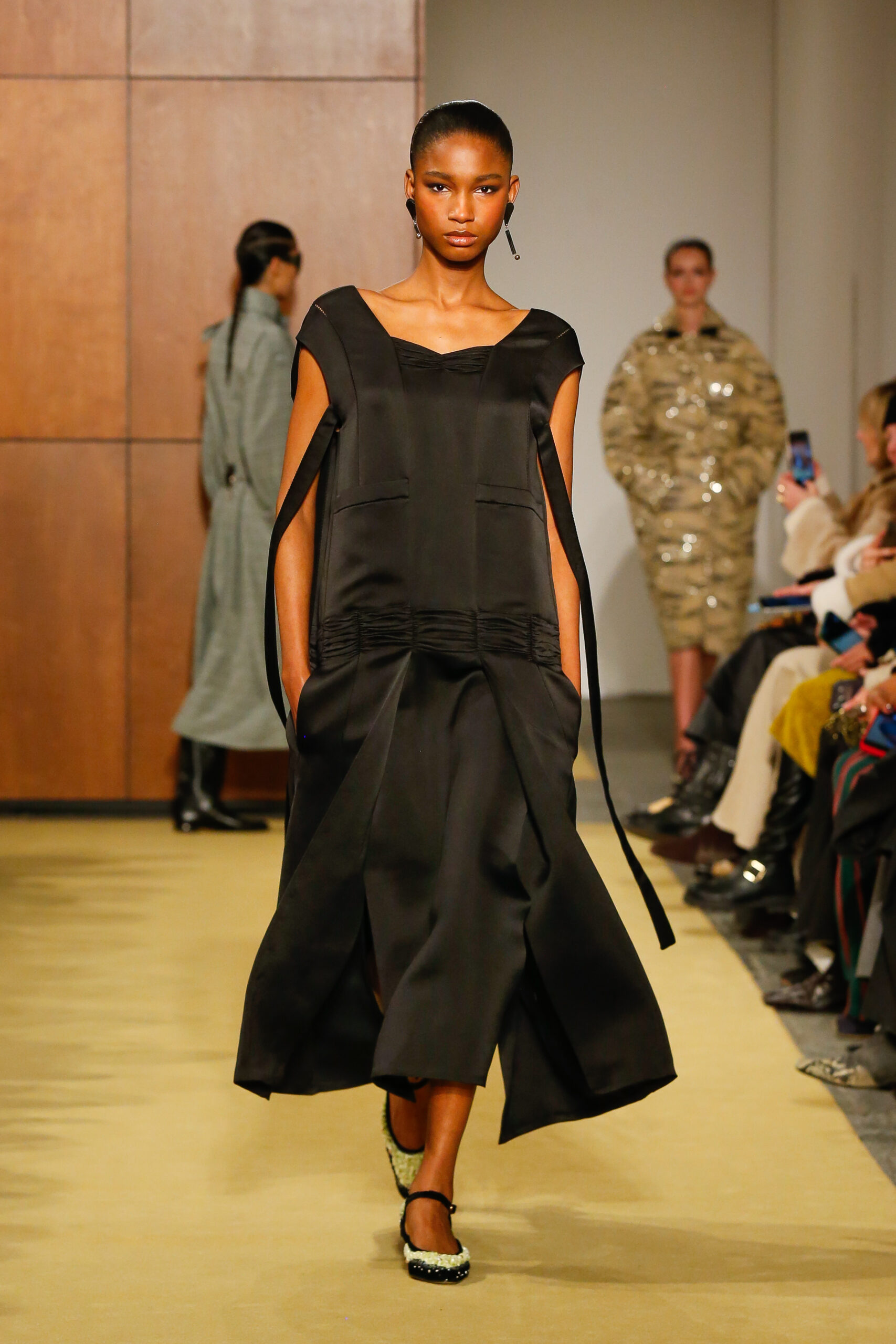
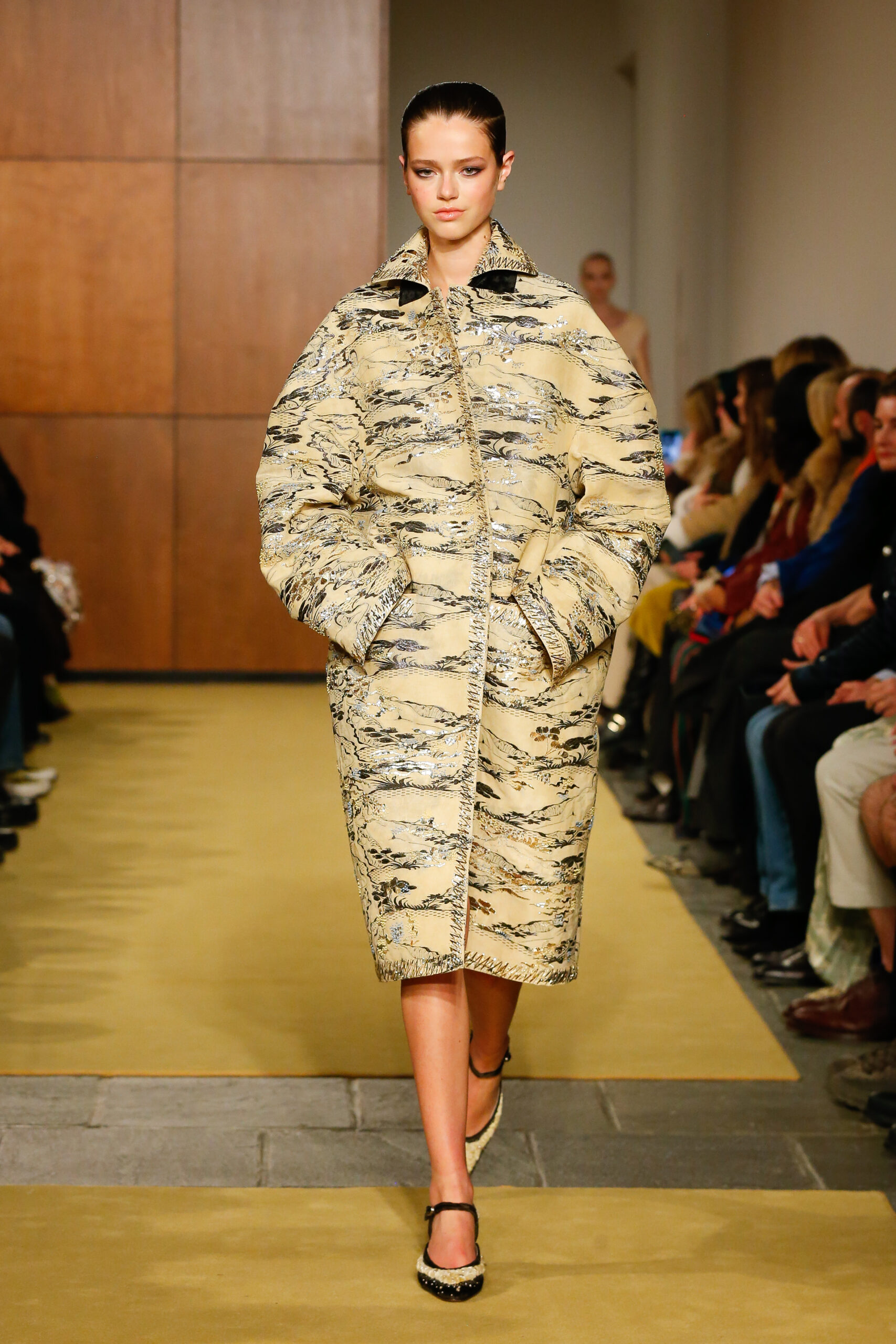
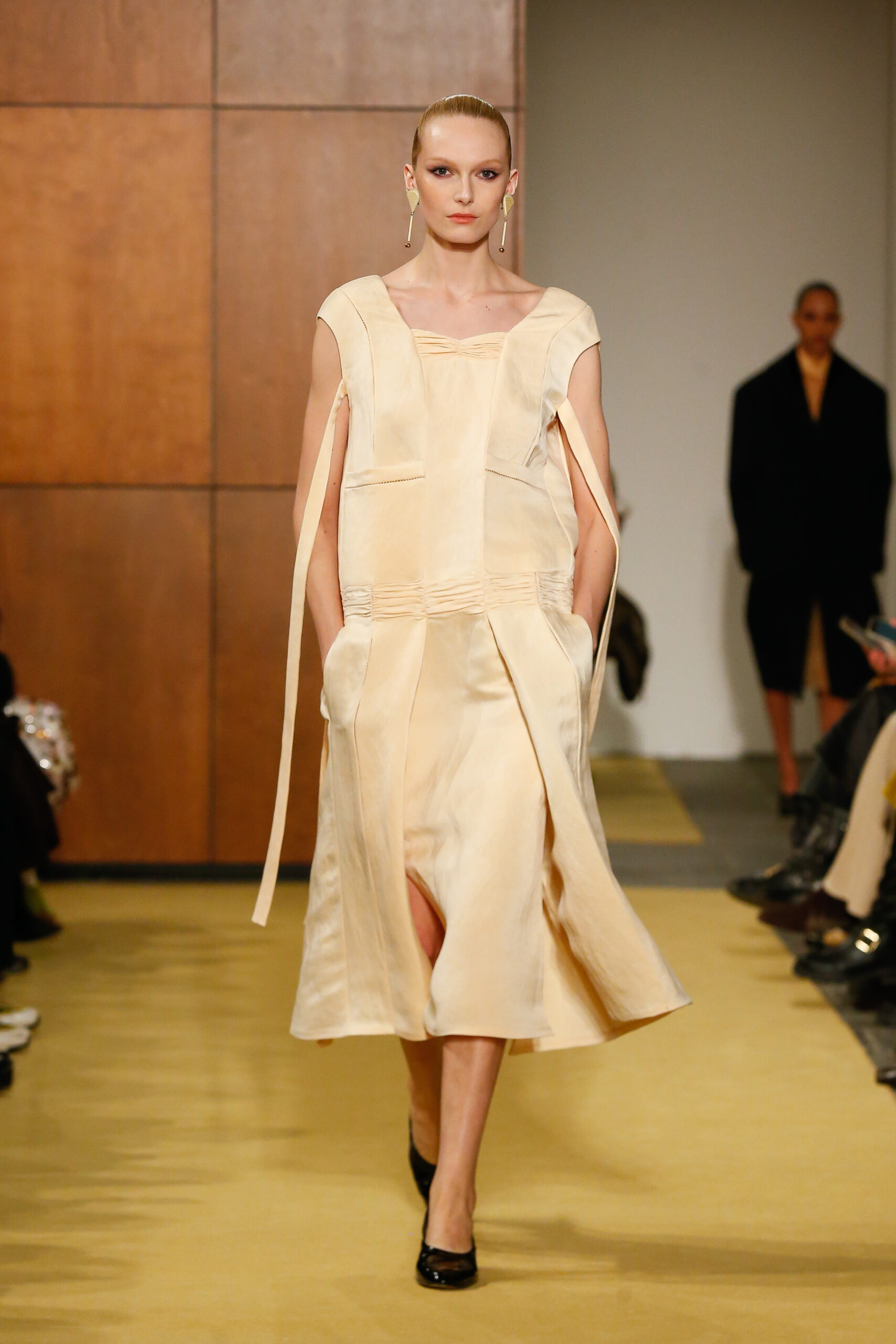
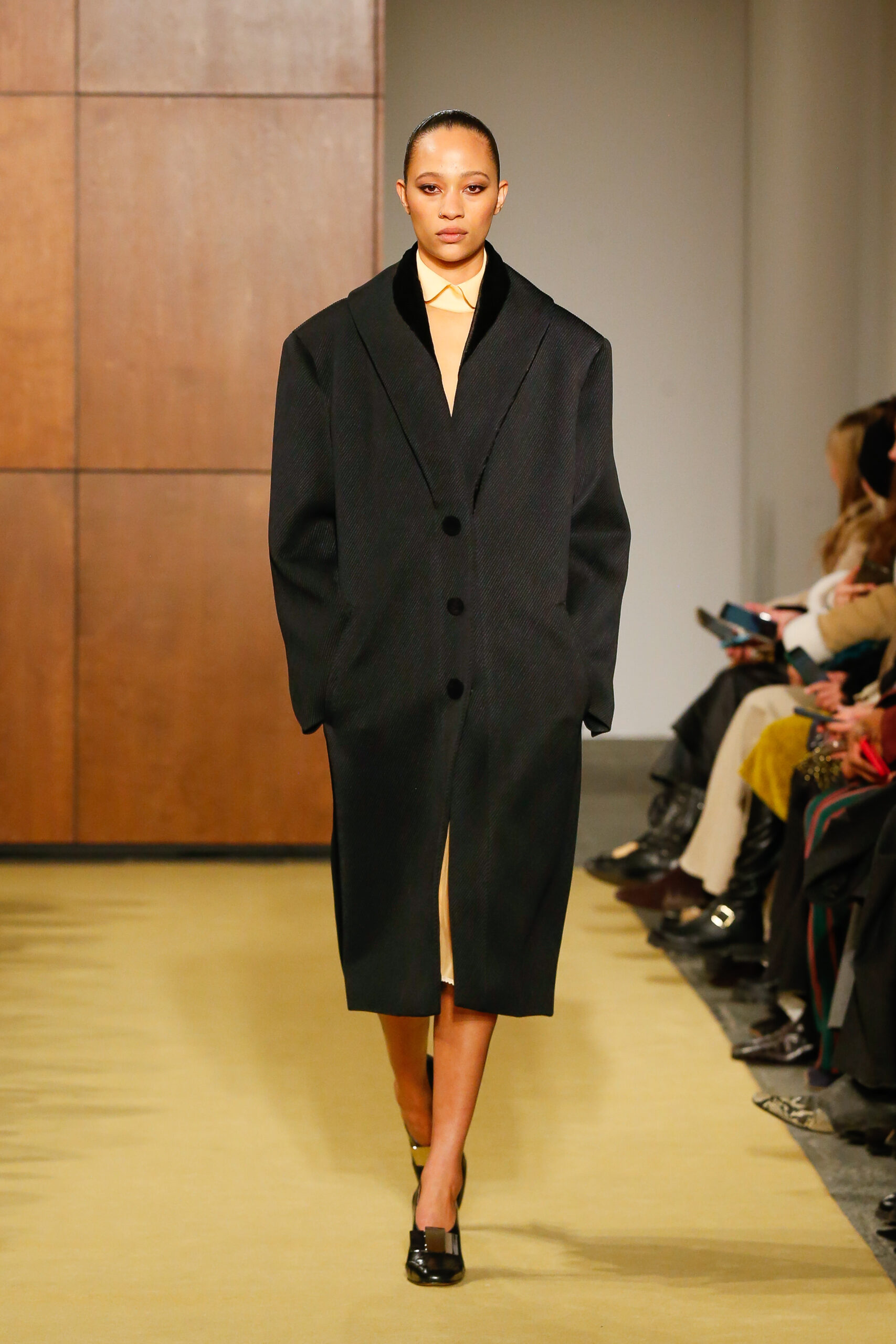
The soundtrack featured Dolly Parton’s 9 to 5, a song about the humdrum of everyday life. As the score to a world that now feels anything but predictable, it carried an ironic charge, much like the familiarity of the collection itself. “Everything was normal until it wasn’t anymore,” the philologist Victor Klemperer wrote in his diary, which documented fascism’s sly takeover of Germany in the 1930s through the eyes of an ordinary citizen. Conveyed through clothing – something we all use every day to express ourselves – Burch’s sentiment carried a similar resonance. It was a reflection of our impulse to seek safety in times of uncertainty. And yet, as Klemperer’s accounts remind us, in an escalating political climate we also need to push ourselves beyond that comfort zone and express ourselves in every way possible.
The second album is the hardest. Get ready for fashion’s sophomore season The second album is the hardest. Get ready for fashion’s sophomore season
The second album is the hardest. Get ready for fashion’s sophomore season
Inside Alessandro Michele’s voyeuristic vision for Valentino Couture Inside Alessandro Michele’s voyeuristic vision for Valentino Couture
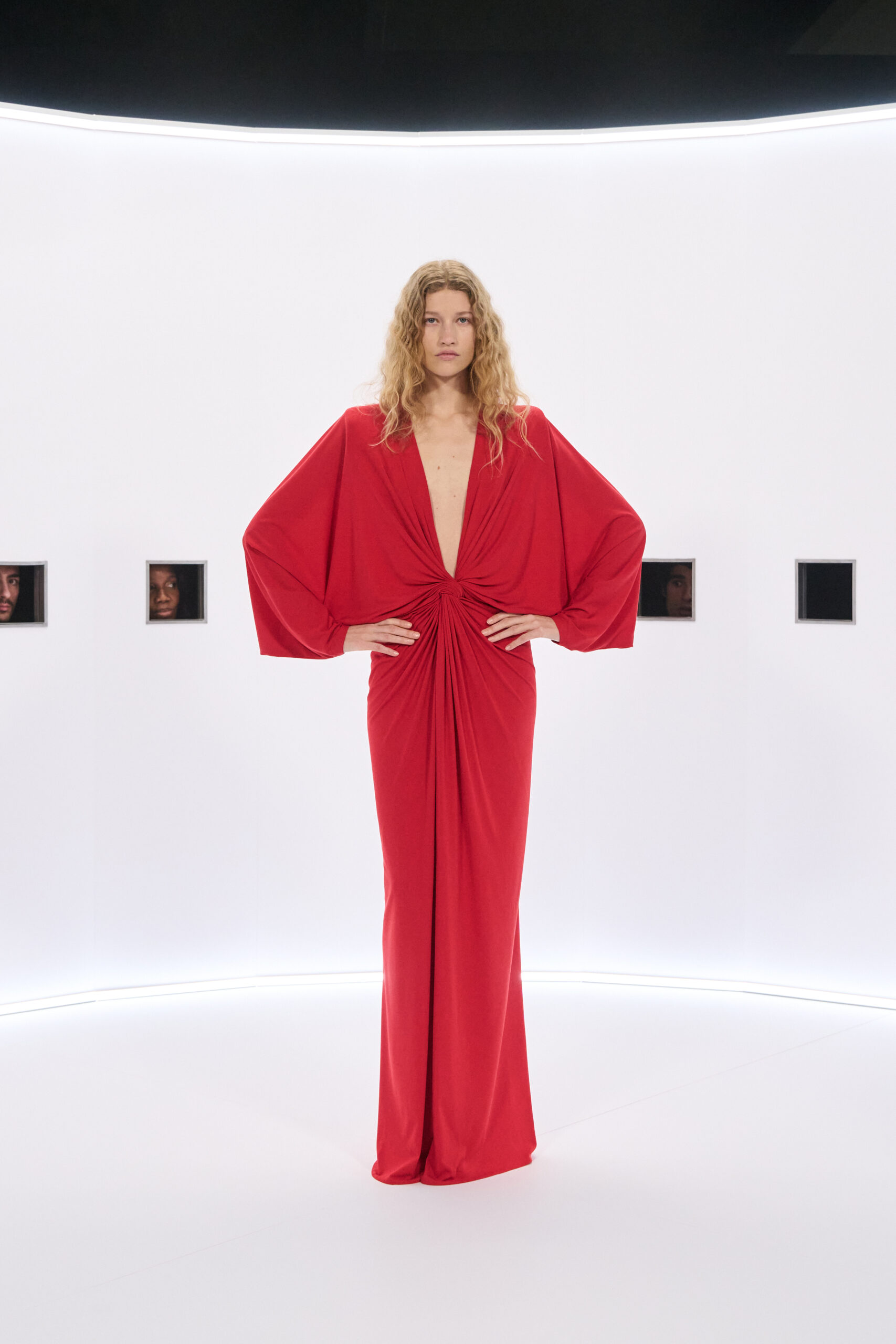
Inside Alessandro Michele’s voyeuristic vision for Valentino Couture
The King and I: In memory of the late Giorgio Armani The King and I: In memory of the late Giorgio Armani
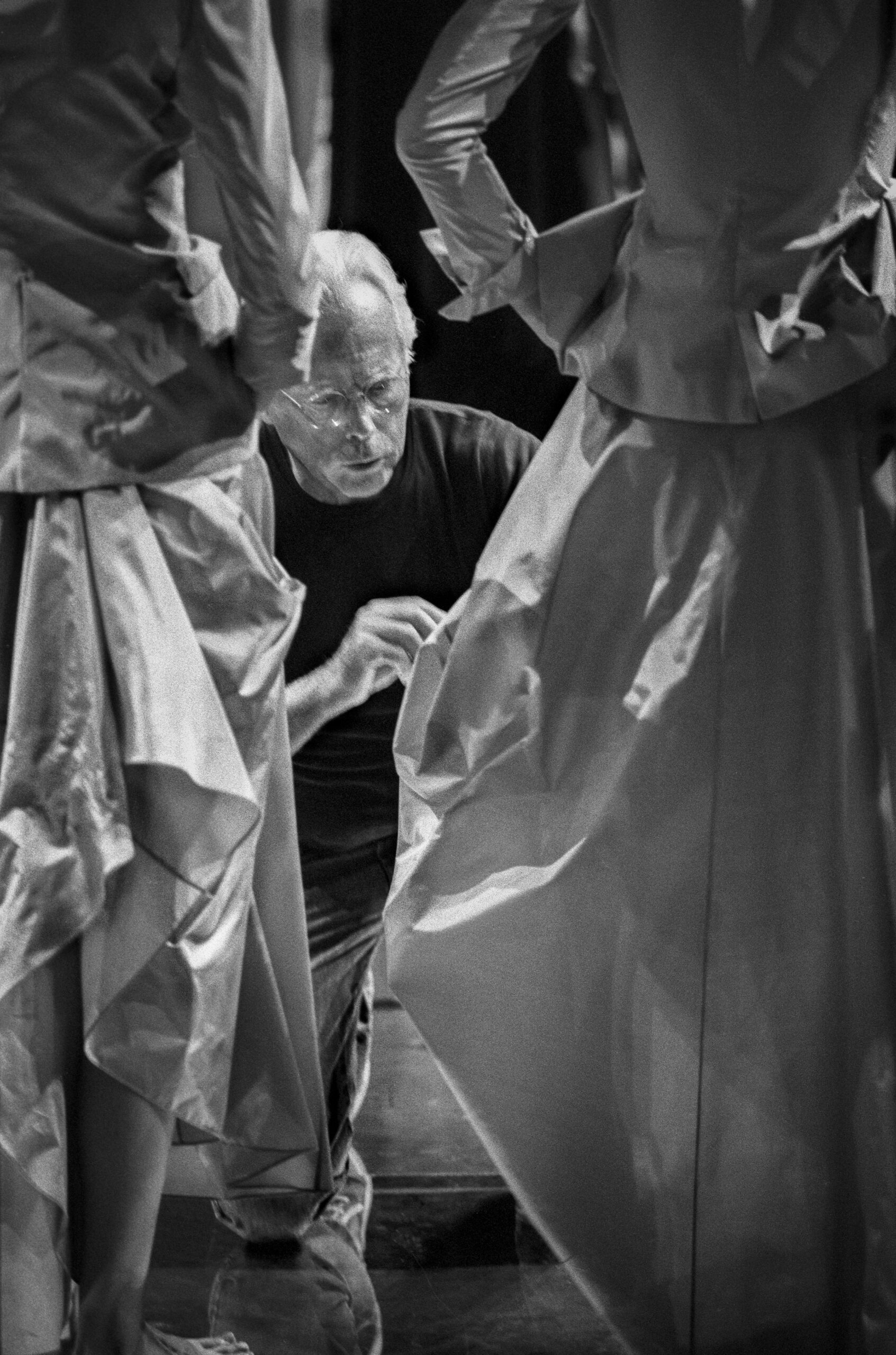
The King and I: In memory of the late Giorgio Armani
Boys ‘N’ Bags Boys ‘N’ Bags
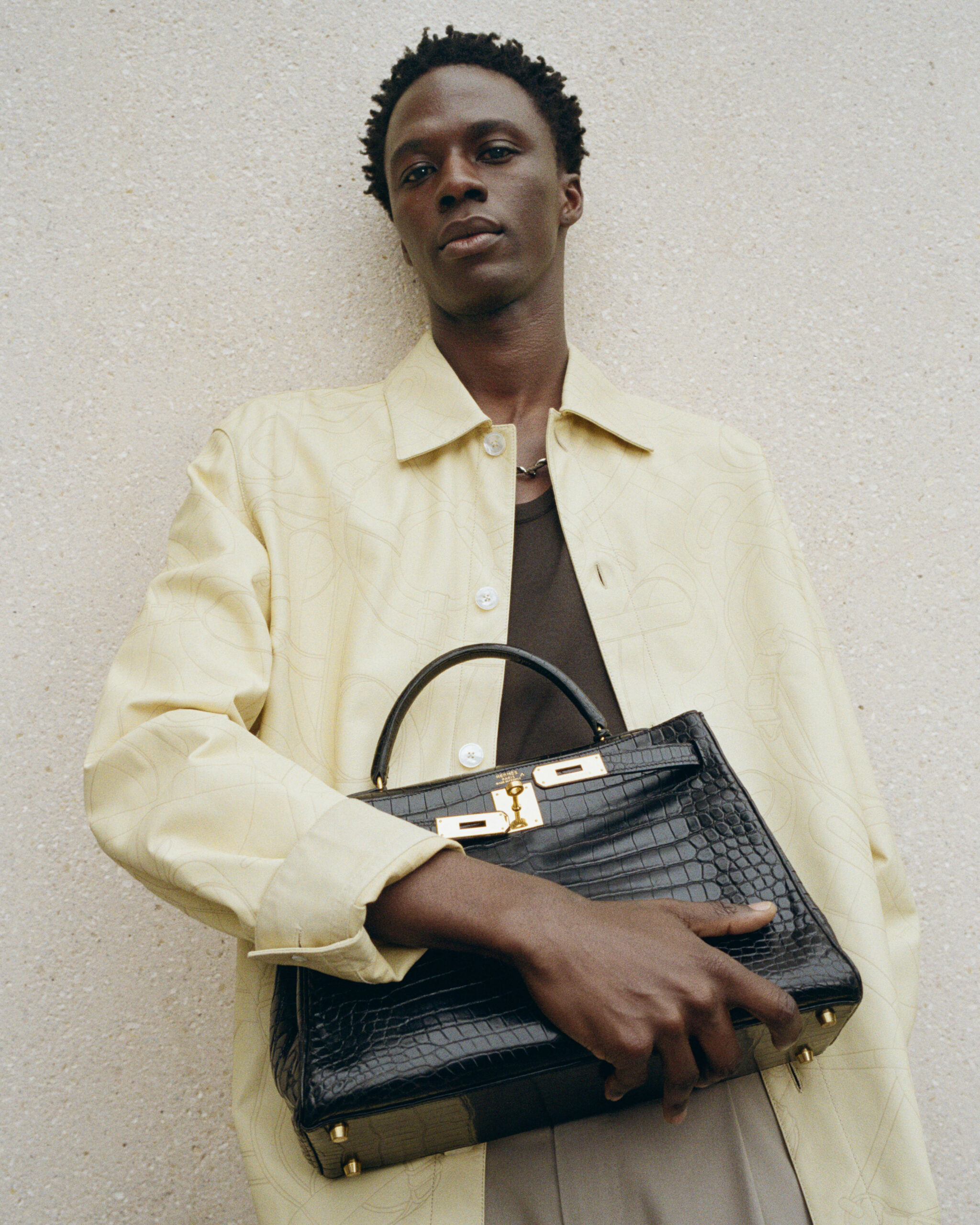
Boys ‘N’ Bags
Meet Nina Christen, the footwear designer behind a decade of viral fashion moments Meet Nina Christen, the footwear designer behind a decade of viral fashion moments

Meet Nina Christen, the footwear designer behind a decade of viral fashion moments
Hoyeon Jung looks to the future Hoyeon Jung looks to the future
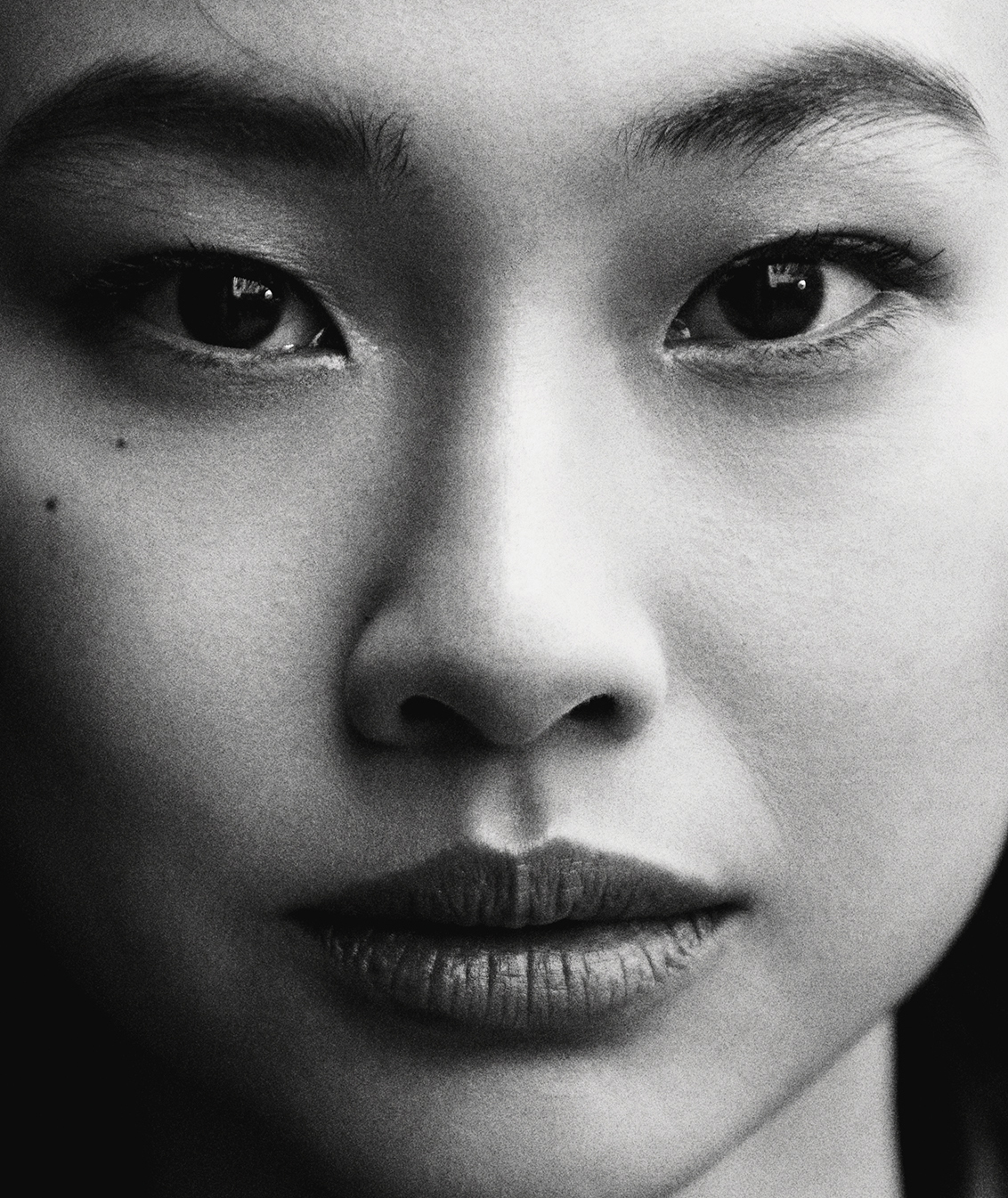
Hoyeon Jung looks to the future
“Connecting with humanity is the most radical act”: Pierpaolo Piccioli on his debut collection for Balenciaga “Connecting with humanity is the most radical act”: Pierpaolo Piccioli on his debut collection for Balenciaga

“Connecting with humanity is the most radical act”: Pierpaolo Piccioli on his debut collection for Balenciaga
A tribute to British beauty, style and rebellion A tribute to British beauty, style and rebellion