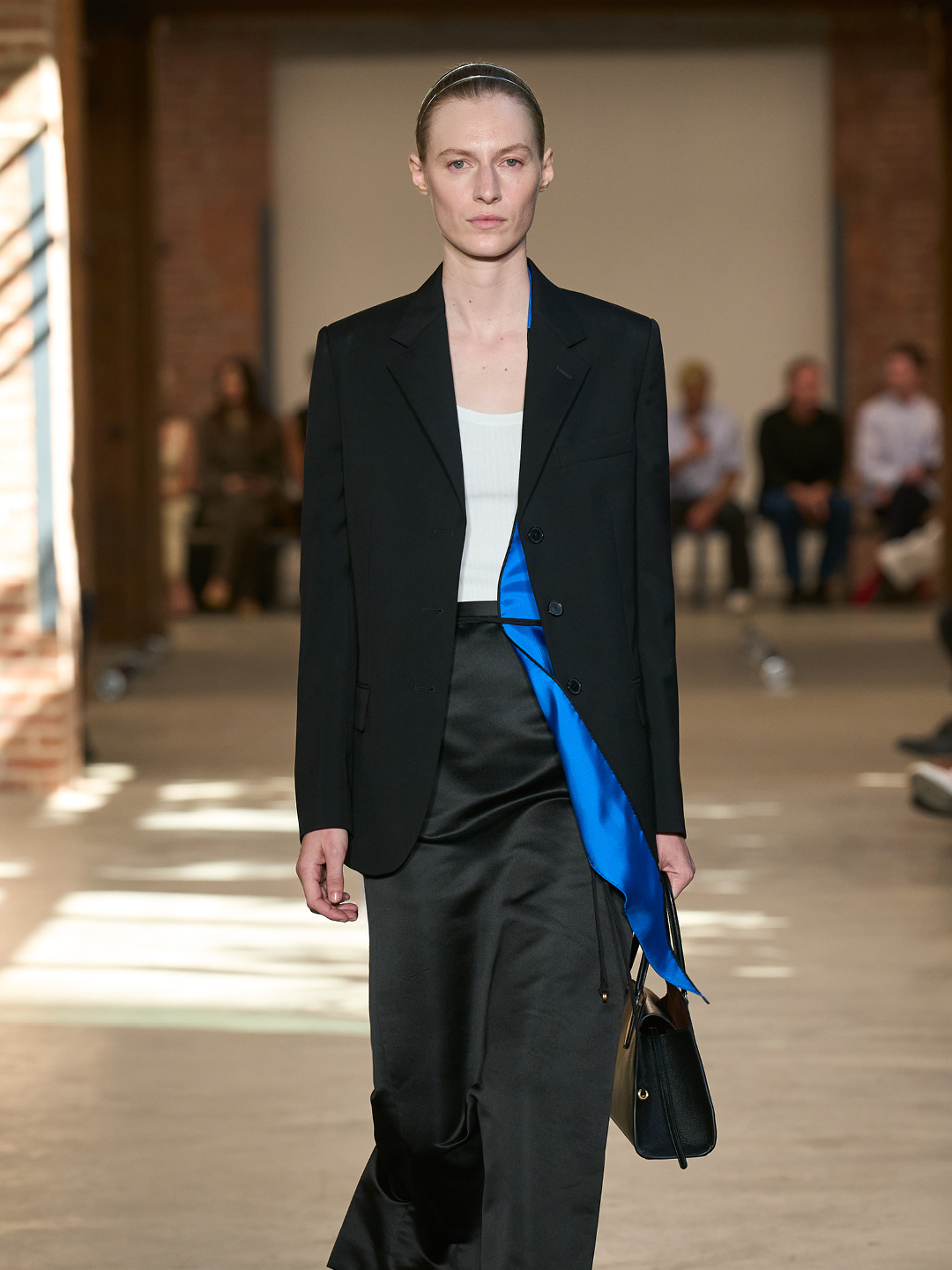
The myth of the Antwerp Six, explained at last
Ahead of the opening of the Antwerp Six exhibition at MoMu Fashion Museum, curators Geert Bruloot and Kaat Debo reflect on the group of designers who transformed a small Belgian city into the global shorthand for intellectual, independent fashion.
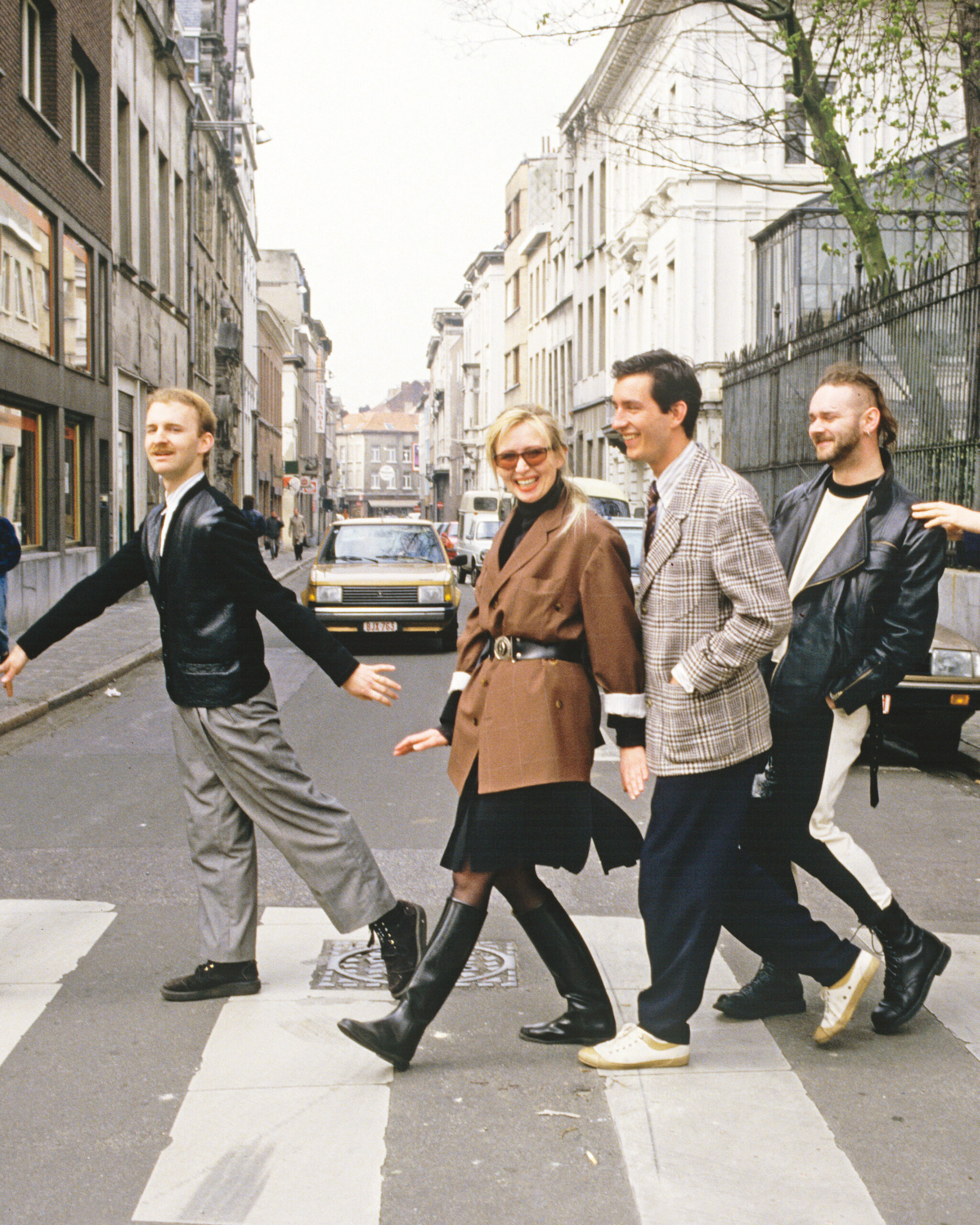
When you think about it, the Antwerp Six are a bit like the Spice Girls of the fashion industry. Not because what they’ve created bears any likeness, but because most people would be surprised to learn how little time they spent “together” in relation to what they achieved. For the Spice Girls, it was about four years between Spice, their breakout first album, and Forever, their third and final (two years of which were without Geri Halliwell). For Ann Demeulemeester, Dirk Bikkembergs, Dries Van Noten, Walter Van Beirendonck, Marina Yee and Dirk Van Saene, the time they could feasibly be considered a “group” was even shorter.
“We realised that the story of the Antwerp Six really only lasts for three years, the period when they were in London,” Geert Bruloot, one of the curators of a new exhibition at MoMu – Fashion Museum Antwerp, says. “They never intended to present themselves as a group. The story was created by the press and buyers in London. That is where the name came from.” Prior to this, the group were just students, then graduates, of the city’s Royal Academy of Fine Arts.
Geert is more than just an observer of this whole period. As a friend of the designers and stockist of their clothes – he co-founded two stores in Antwerp, an avant-garde shoe shop, Coccodrillo, and Louis, a boutique of exclusively Belgian designers – the curator had a direct hand in launching their careers. He was there in 1986, the year they travelled to the British Designer Show, a nascent London Fashion Week held at Kensington Olympia, to exhibit their collections, when the moniker first appeared.
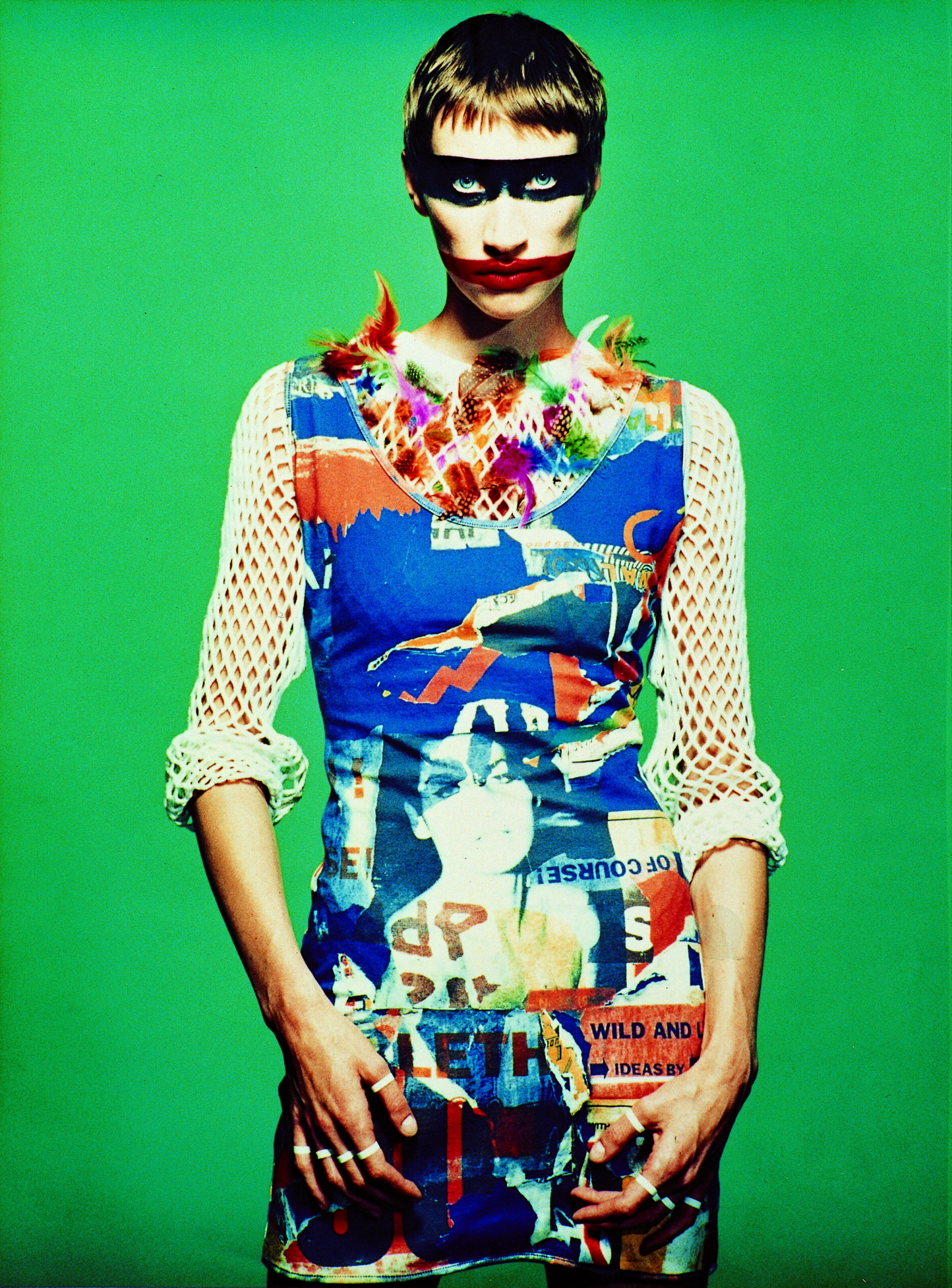
WALTER VAN BEIRENDONCK, W.&L.T. PARADISE PLEASURE PRODUCTIONS, AUTUMN / WINTER 1995–1996, © PHOTO: RONALD STOOPS
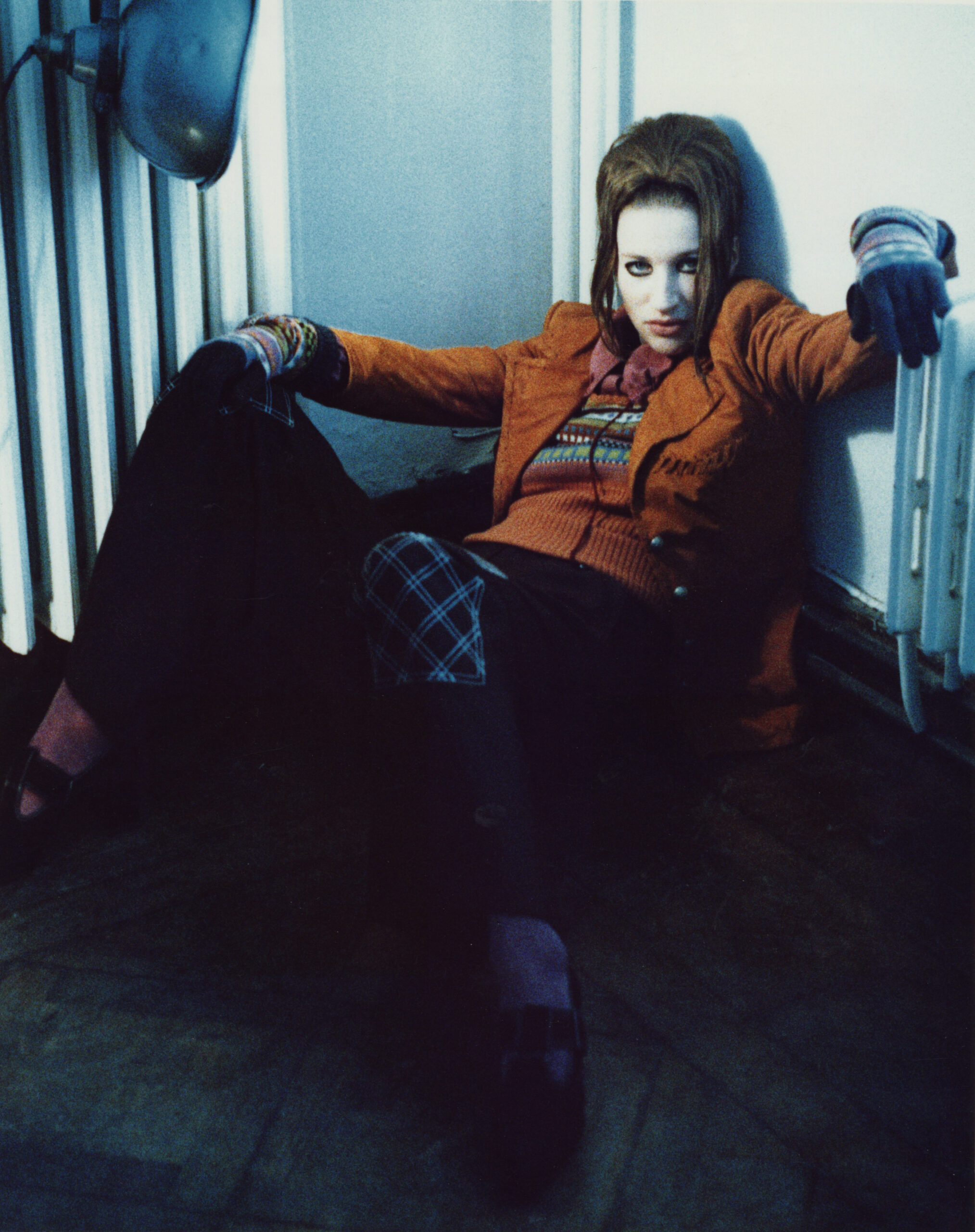
DIRK VAN SAENE, AUTUMN / WINTER 1989–1990, © PHOTO: RONALD STOOPS
We all know the story of how Antwerp 6 drove to London with the van, but we thought it was also important to bring the context. What was the creative context? What was the fashion context? What was the economic context? This helps explain why they could break through in the ‘80s
Kaat Debo
Still, it’s a long time since the early days, and returning to this period to forensically examine it allowed him, and the designers themselves, to better understand these memories. “Over the years we realised that everyone remembered things differently. Dates were wrong. Places were wrong. We had a very interesting first afternoon all together, to see how we could approach the story and how we would restart the narrative of what happened.”
The resulting exhibition is one that he, curator Romy Cockx, and Kaat Debo, director of MoMu, position as a sensitive, sensible explanation of how one of fashion’s greatest myths was conceived – beyond simple lightning in a bottle. “We all know the story of how they drove to London with the van, but we thought it was also important to bring the context,” Kaat says. “What was the creative context? What was the fashion context? What was the economic context? This helps explain why they could break through in the ‘80s.”
The product of two years of work, during which time one of six designers, Marina Yee, passed away, it is also a poignant tribute, too.
Geert, you were there from the beginning of this story. Did you learn new things about that period in time and the designers that you did not know before? Are any of your memories or beliefs changing while working on this show?
Geert Bruloot: Yes, absolutely. For instance, when we started the project, Ann Demeulemeester said, “But I am not part of the Antwerp Six.” I did not understand why she would say that, and she did not fully understand it herself. By studying the facts and placing everything next to each other, it became clear why the Antwerp Six were created by the outside world, not by them, and that the story only lasted three years. They went to London with the dream of becoming independent, successful fashion designers, and they continued pursuing that afterwards. Now, by studying the story again, I have a different perspective. We are still friends, but I now see them differently. I understand better what they achieved afterwards, what they are doing now, and I feel closer to them.
Was there hesitation from the designers about doing the exhibition? Did they feel that they did not want to keep defining themselves as the Antwerp Six?
Kaat Debo: We had to convince them a little, because for some of them it has been both a blessing and a curse. The time they collaborated as a group was only those three years, as Geert said, and they were never actually a collective. They did not invent the group name themselves. The outside world gave that name to them. They never created together and never presented collections together. In the exhibition, we focus on their individual careers, not only on the first three years and their time at the fashion department. We also try to contextualise how it happened.
Shortly before her death, Marina spoke of only recently finding contentment in her career — despite her success — having long measured it against the shadow of the Antwerp Six. So there was clearly friction between these designers and what their version of success was.
Kaat: Their careers have been very different. If you look, for example, at the career of Dirk Van Saene, he is a very interesting designer, very avant-garde, but also very niche. I think that was also a conscious choice. I sometimes say he is like the Azzedine Alaïa of Antwerp, because he decided when he wanted to present his collections. At first, he presented shows during the season, but later he decided, I will show my collection, send it to my very specific circle of clients with a very loyal following, and once I have told my story in fashion, I will shift to another discipline. Now he is represented by Antwerp galleries and is doing very interesting—
Geert: Art shows. But with Dirk Van Saene there was a similarity between his approach and Marina’s. Both were always working on the edge between fashion and art. In Dirk’s collections, it was already very clear by the mid 90s that he had started painting his garments by hand. They were always moving between those two worlds. Marina made incredible drawings, incredible collages, all of it as much art as fashion, especially because she radiated fashion. You could not look past it. Even when she stepped away from that system and continued teaching in fashion schools, Marina kept drawing every day, designing every day. There is an incredibly rich fashion archive and art archive of her work. It was only later, when she met Raf Simons’ former collaborator Raf Adriaensens, that someone really saw it. He said, Marina, you keep drawing, you keep being the artist, and I will produce it for you, I will distribute it for you. Then the match happened, and that is when it started working.
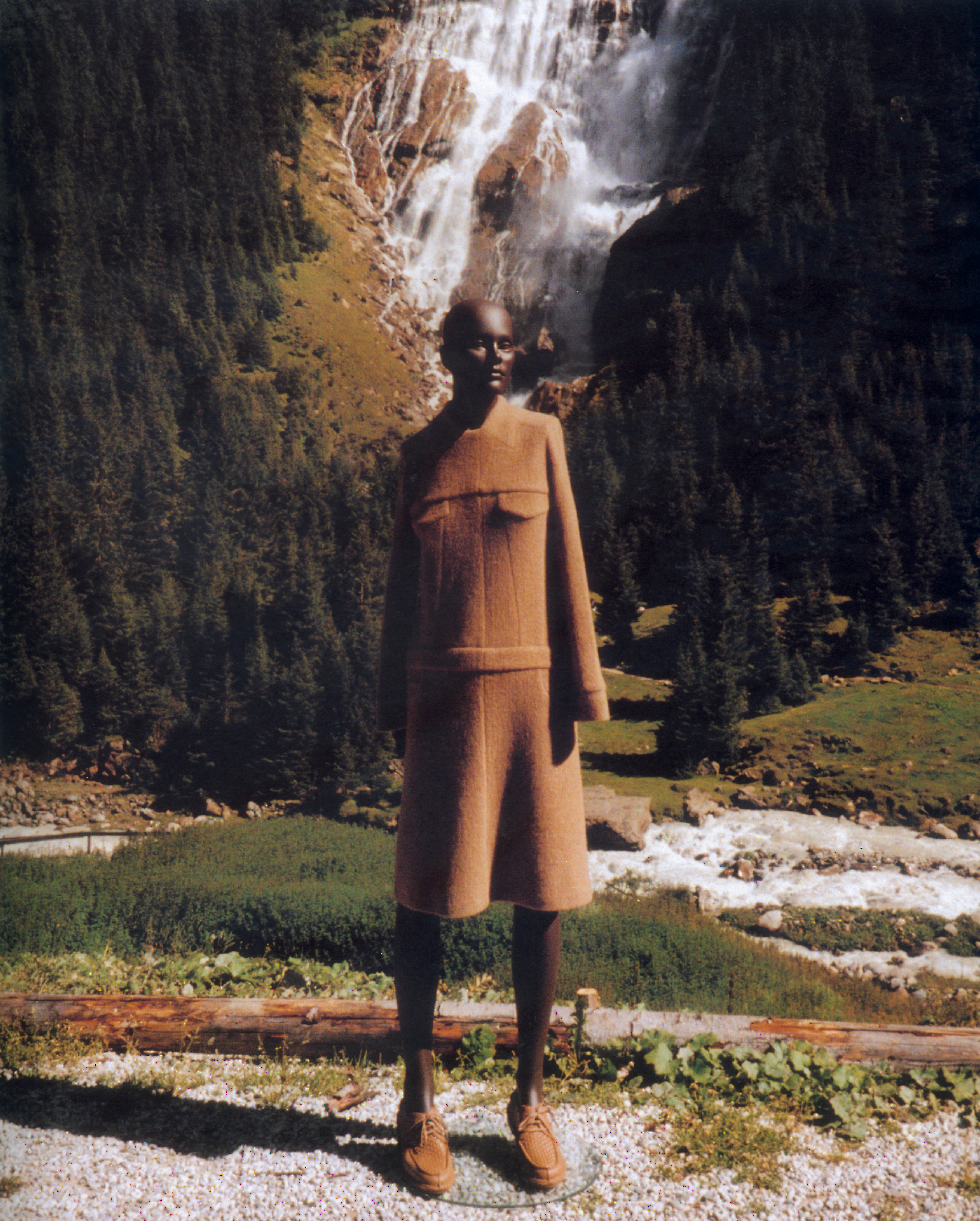
DIRK VAN SAENE, AUTUMN / WINTER 1998–1999, © PHOTO: DIRK VAN SAENE
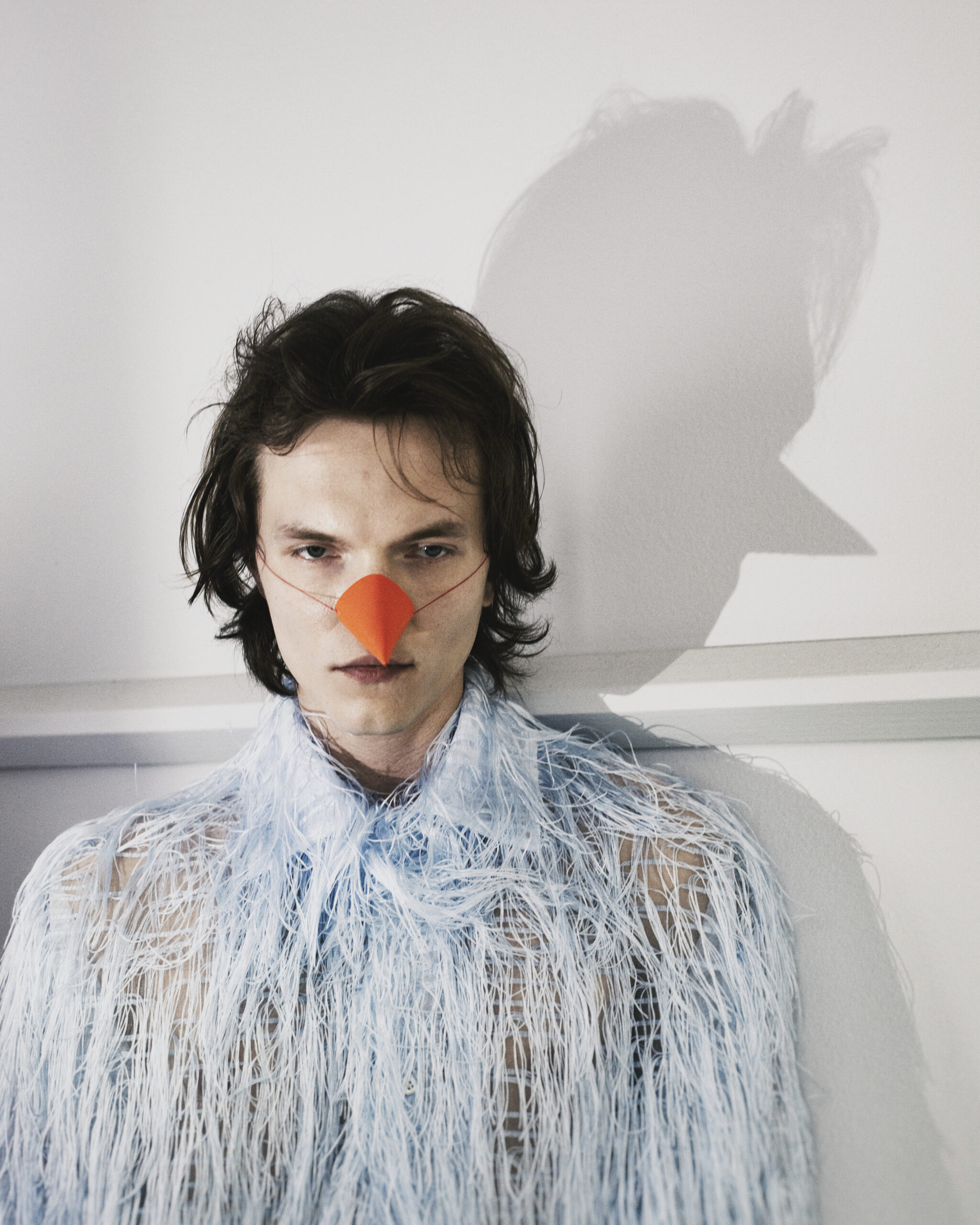
WALTER VAN BEIRENDONCK, I HAVE SEEN THE FUTURE…, SPRING / SUMMER 2025,© PHOTO: ALEX CONU
One of the important and unexpected factors in the creation of the Antwerp Six, besides the creativity of the era and the Royal Academy of Fine Arts, where they met, is the macro political changes of the era that shaped their success.
Kaat: Yes. The economic situation of the ‘70s and early ‘80s was very difficult. There had been two oil crises. There was unemployment in many industries, and in fashion the first wave of offshoring began. In Belgium, the government noticed something important. At that time Belgium had a major clothing and textile industry, one of the most important national industries alongside coal and steel. The government asked what was happening, because companies were closing and unemployment was increasing. They commissioned a study by McKinsey to analyse the situation. One of the conclusions was that Belgium had an important industry but lacked the identity of say France or Italy. The industry was active mainly in the mid-range and lower segments, which made it very vulnerable to offshoring.
So, the Belgian government launched what I call a Marshall Plan for fashion. It was officially called the Five-Year Textile Plan, and they invested heavily. Most of that budget went to manufacturing technology, but a part was also invested in young talent and communication. They created the Golden Spindle contest. Coincidentally, the Six were graduating at that time and participated in it. The idea was to connect young designers with Belgian manufacturers and textile companies. Designers selected for the competition could produce a professionally manufactured collection with these companies. It was not a commercial collection but a creative one. Suddenly the situation changed. Instead of sewing in their bedrooms, they could work with manufacturers and produce a professional collection. These collections were presented in fashion shows.
The first edition of the competition attracted a lot of press. The second edition was even bigger. They invited Jean Paul Gaultier as president of the jury. At that moment Gaultier was a rock star of fashion, and he told the international press that he had discovered incredibly talented designers in Belgium. The government also launched a major communication campaign, including a magazine calledMode, dit is Belgisch featuring only Belgian brands. The idea was to encourage more fashionable products, which was exactly McKinsey’s recommendation. The plan looked excellent on paper, but in reality the young designers did not like what the manufacturers were producing. They wanted Italian fabrics and thought the Belgian products were old-fashioned. The manufacturers also did not understand the avant-garde ideas of the designers. Nevertheless, the first issue of the magazine sold out within days. There was also a major television campaign. For people of my generation it was remarkable. Avant-garde fashion was being discussed on prime-time television. It was presented by the Belgian model Ghislaine Nuytten, who later became the muse of Dirk Bikkemberg. Fashion was treated as a serious cultural topic, and that created enormous excitement.
Geert: There were many coincidences. As I said, you had these designers graduating at the moment when a new fashion movement was emerging. In the ‘80s fashion became an important social tool. People used it to express identity and status. There was the intellectual approach of the Japanese designers. There was power fashion from Armani and Moschino. There was the playful fashion of Gaultier and the British designers. Fashion became extremely important until around 2000. After that, fashion became saturated and attention shifted toward art. That is when art fairs began appearing everywhere. Today you can visit art fairs 365 days a year. But even that system is now reaching saturation. At that moment in the ‘80s, however, everything aligned: the designers, the retailers looking for something new, fashion becoming a major social medium, and the importance of multi-brand retail stores. That is how they entered the international scene.
Kaat: Still, they graduated at the beginning of the ‘80s, but it took time before they launched their own labels. Sometimes people think they started immediately, but that is not true. In the early years they worked for commercial brands or styled magazines. They only went to London in 1986. Their own labels really took off in the late ‘80s and early ‘90s, a period that shaped the industry we know today (the beginning of the large luxury conglomerates). It was also a moment when intellectual fashion gained recognition, with designers such as Jil Sander, Helmut Lang and Prada. Fashion was treated as something serious, as a way of expressing identity.
As a curator, how do you relate to nostalgia in exhibitions like this? Right now there is a tendency to look back at that period with reverence, because it feels like the birth of many of the ideas we still respect today without the corporate aspects that have inhibited creativity. How do you create an exhibition like this without simply falling into the trap of saying that everything was better then?
Kaat: I think that is a good question. What we try to do with the museum is to use the show as a lever to talk about talent and talent development. I think that is a very important issue today, and it is also about looking to the future. Of course, we do not have all the answers. One of the big questions is: what is the future of independent fashion design? In Belgium, you still see young people starting their own brands. You have Julie Kegels, Meryll Rogge, Marie Adam-Leenaerdt. They are starting. But we also saw the generation of the ‘90s. We had a very talented generation, and from that entire generation of 20 or 30 designers, maybe one survived, and that is Raf Simons.
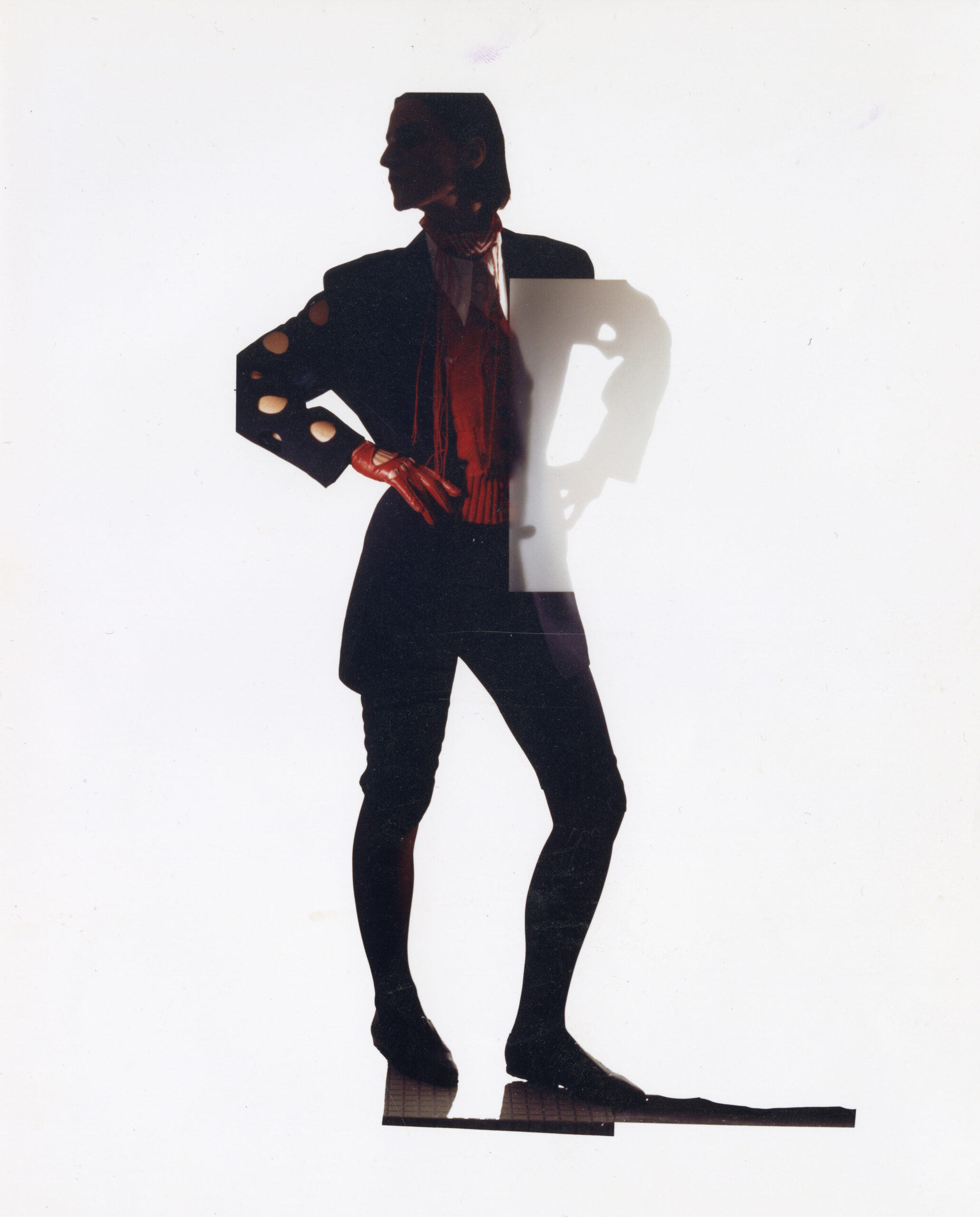
DIRK VAN SAENE, SPRING / SUMMER 1988, © PHOTO: HENZE BOEKHOUT
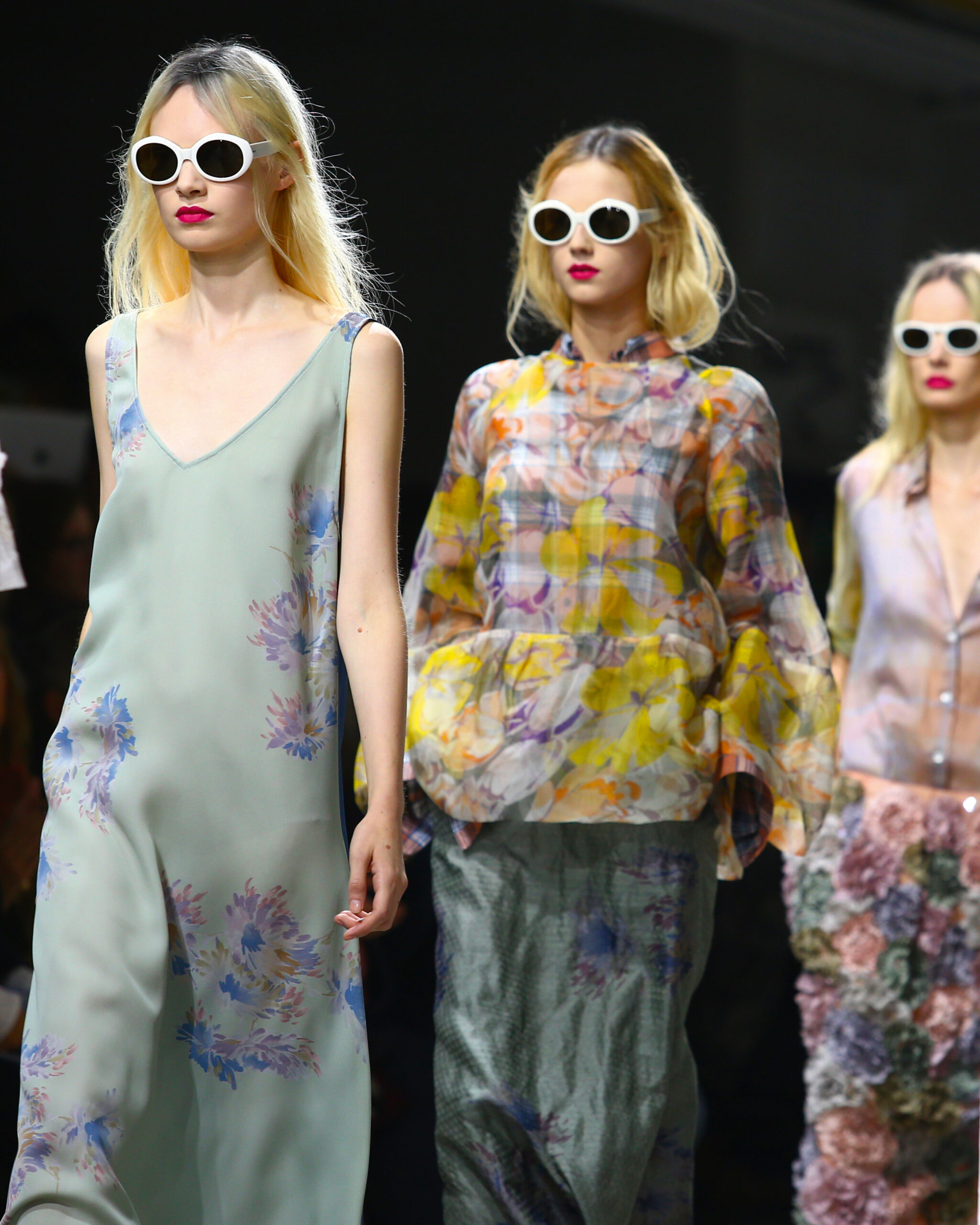
DRIES VAN NOTEN, SPRING / SUMMER 2013, © PHOTO: PATRICE STABLE
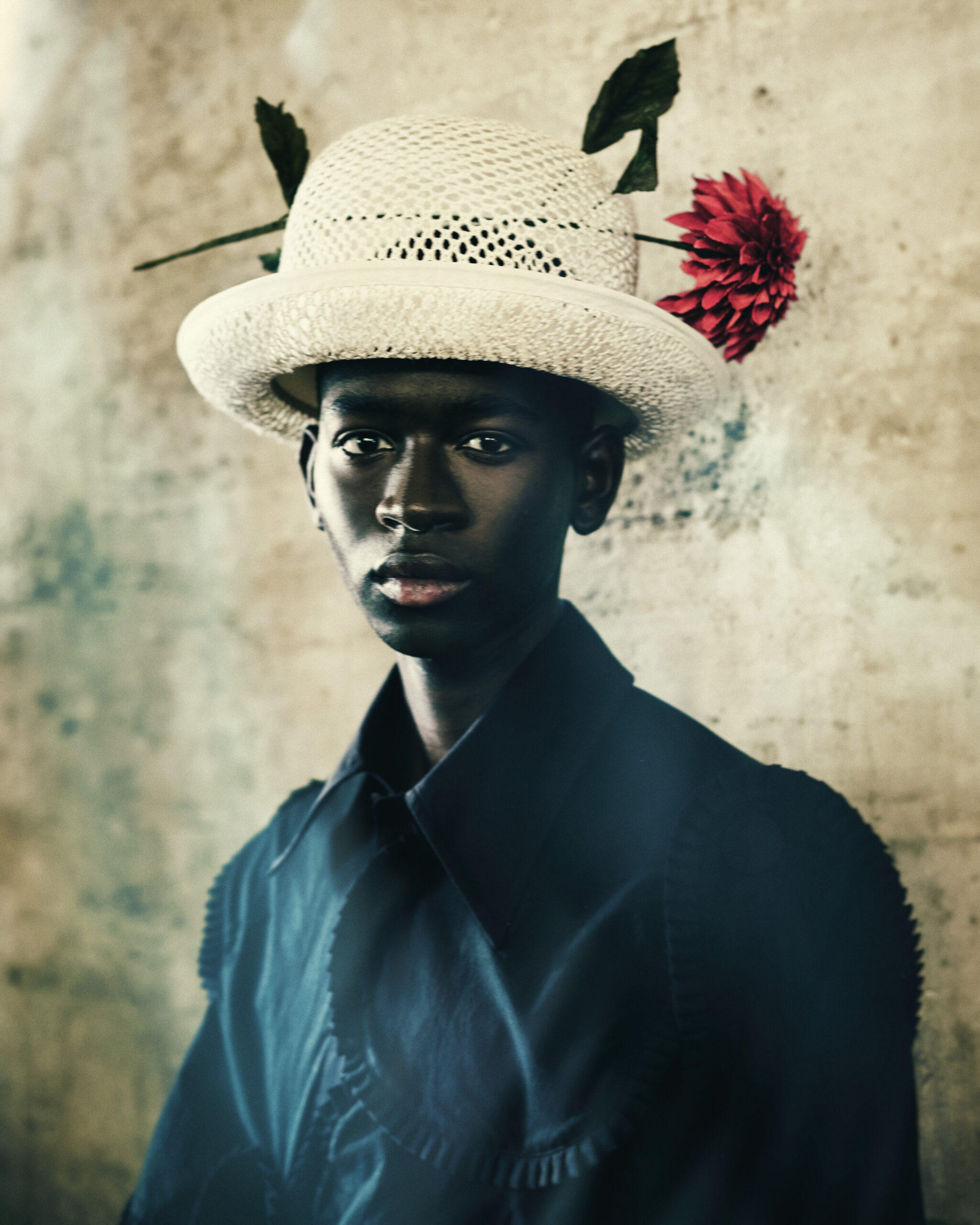
WALTER VAN BEIRENDONCK, WINK WITH STARRY EYES, SPRING / SUMMER 2026, © PHOTO: ALEX CONU
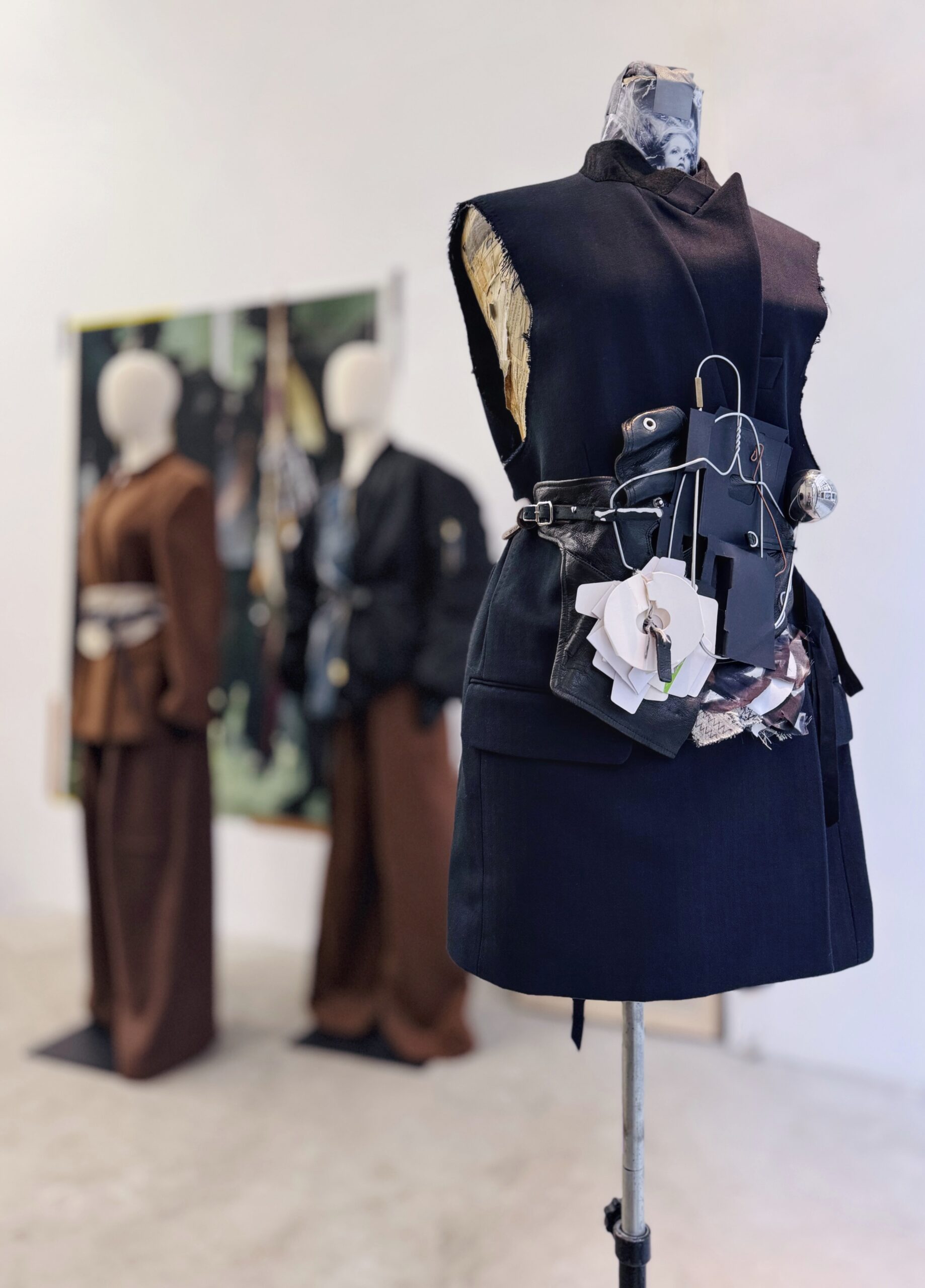
MARINA YEE, AUTUMN / WINTER 2025–2026, © PHOTO: RAFAEL ADRIAENSSENS
I do not have the answers, but I think these are very relevant questions to ask. If you compare the size of their companies to the big conglomerates, they are very small. Still, they each found their audience. All six have very different customers, and very different sources of inspiration. So you have to think about the choices you make and what you want to achieve with fashion. What is your message? What do you want? What does success mean?
Geert: What is important, and I cannot stress this enough, is that they remained independent. No backers, no bosses. They were free to do whatever they wanted. There was no one telling them they needed a licence with a handbag maker or a licence for sunglasses.
Kaat: Yes, but I also think we should not idealise it, because it has also been very difficult.
Do you wonder what the future version of a show like this looks like? As a curator, how do you create such a vivid picture of a time when we may have a trillion photographs, but we do not actually have tangible ephemera, tickets, cuttings, letters and so on?
Kaat: If you had to do a show like that today, the media you would work with would be very different. As you say, there is much more material. But the challenge for a museum is much greater. In the 25 years that I have been here, during the first 10 years what we archived in our library were press clippings. We also kept a number of the most important magazines. But that also exploded. Then came social media content, and that is almost impossible to archive. The visual production of designers has also increased massively. Everyone is now making content for social media, for Instagram, and so on. Archiving that is almost impossible for a museum. It is also very problematic, because what do you archive? In order to collect and archive, you also need some historical distance, but fashion does not give you that time.
So I think it is a very interesting question, because it is something we think about and discuss daily. It is no longer sufficient to archive press clippings if you really want to understand the importance of a designer. How do you archive a viral film on Instagram? That is very difficult. It is easier to store an eighteenth-century dress than a film or clip on Instagram, because with one click it disappears and is gone forever.
momu.be/en/exhibitions/the-antwerp-six
Open 28 March 2026 to 1 January 2027
An intimate affair: Simone Rocha strips back An intimate affair: Simone Rocha strips back
An intimate affair: Simone Rocha strips back
Braiding the line: Roksanda threads daywear into drama Braiding the line: Roksanda threads daywear into drama
Braiding the line: Roksanda threads daywear into drama
When Erdem met Barbette When Erdem met Barbette
When Erdem met Barbette
Camden calling: McQueen’s homecoming salutes the London teenager Camden calling: McQueen’s homecoming salutes the London teenager
Camden calling: McQueen’s homecoming salutes the London teenager
Cutting through heritage: Christopher Kane reimagines Mulberry Cutting through heritage: Christopher Kane reimagines Mulberry
Cutting through heritage: Christopher Kane reimagines Mulberry
Studies of craft: Paolo Carzana and Steve O Smith refine their singular techniques Studies of craft: Paolo Carzana and Steve O Smith refine their singular techniques
Studies of craft: Paolo Carzana and Steve O Smith refine their singular techniques
Dressed with intent: Fashion in the 90s Dressed with intent: Fashion in the 90s
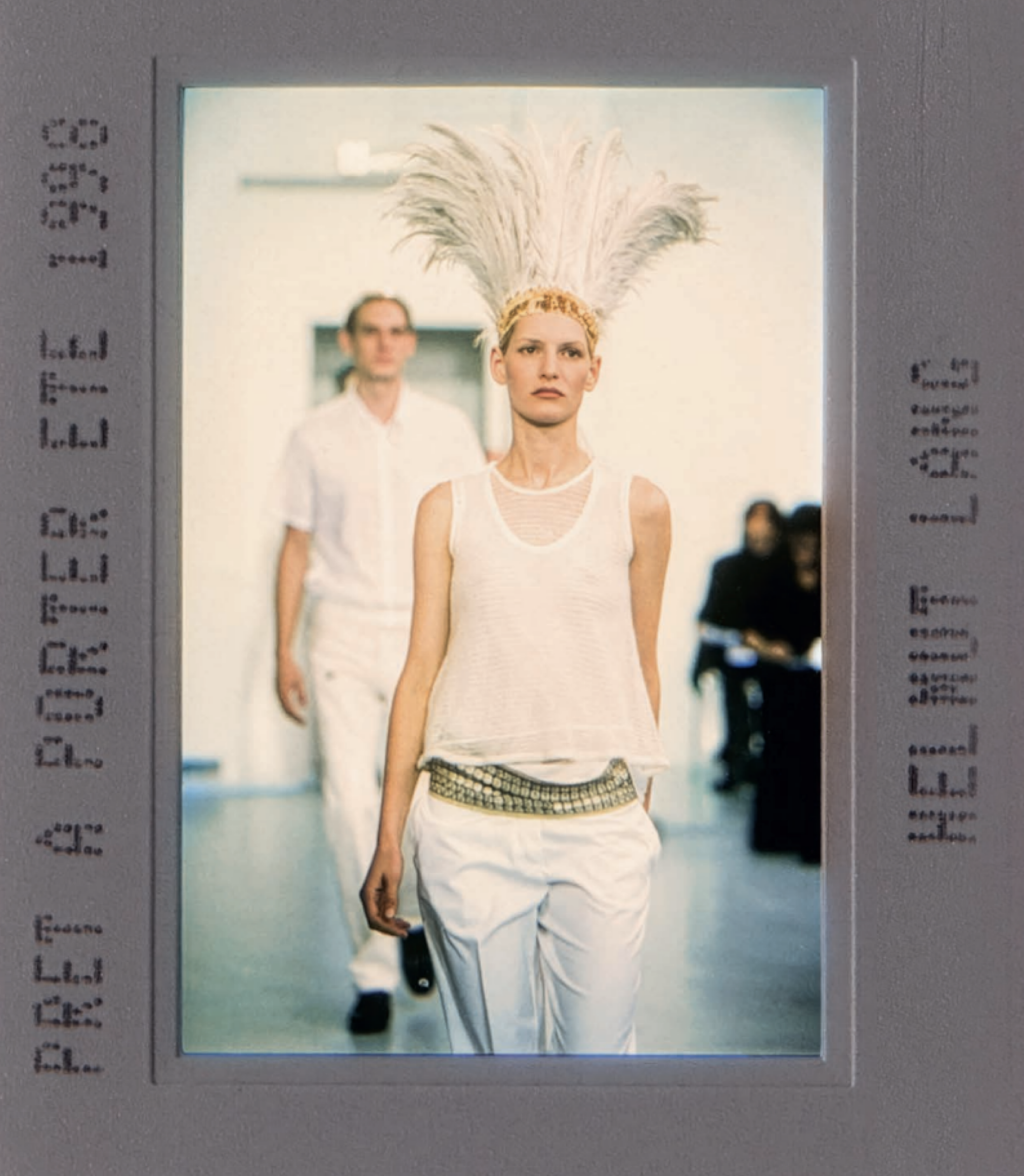
Dressed with intent: Fashion in the 90s
Back to basics: At Klein, Veronica Leoni does Calvin-core for today Back to basics: At Klein, Veronica Leoni does Calvin-core for today